6 Best Yarn Ball Winders for Tangle-Free Feeding
Stop wrestling with tangled skeins. Our guide reviews the 6 best yarn ball winders for smooth, knot-free feeding, ensuring your knitting projects stay neat.
There is nothing more frustrating than mid-project yarn barf, where a tangled mess of fiber brings your creative flow to a screeching halt. A high-quality yarn ball winder transforms unruly hanks into neat, center-pull cakes that stay put while you work. Investing in the right tool saves you hours of untangling and ensures your tension remains consistent from start to finish. Here are the top contenders to help you master your stash management.
Stanwood Needlecraft Large Metal Yarn Winder


If you frequently work with massive 400-gram hanks of bulky wool, this is the gold standard for stability and capacity. Its heavy-duty metal construction provides the weight necessary to keep the unit from sliding across your table during high-speed winding.
The gear system is remarkably smooth, which is critical when you are dealing with delicate fibers like lace-weight mohair or hand-dyed singles. Because the gears are metal rather than plastic, you won’t experience the annoying slippage or stripped teeth that often plague cheaper models.
The primary tradeoff here is the footprint; it is a large piece of equipment that demands dedicated desk space. However, for the serious knitter who buys yarn in large quantities, the durability and capacity make it a worthwhile long-term investment.
KnitPicks Ball Winder: Best Budget Option
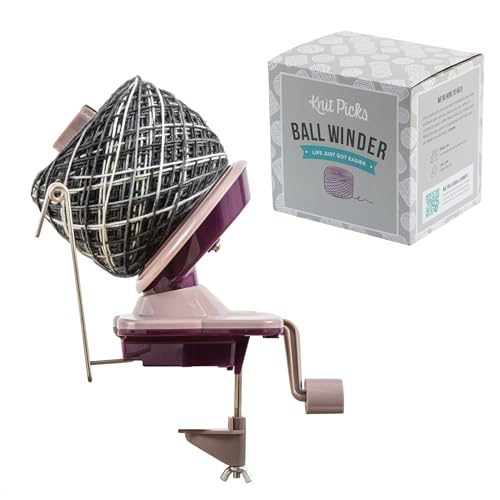
For the knitter who is just starting to transition from store-bought balls to hand-dyed hanks, this winder is an excellent entry point. It is lightweight, portable, and gets the job done without requiring a significant financial commitment.
While it is made largely of plastic, it performs surprisingly well for standard-sized hanks of worsted or DK weight yarn. It is intuitive to assemble and stores easily in a project bag or a small drawer when not in use.
Do not expect it to handle massive, heavy skeins without some manual assistance. If you try to force too much yardage onto the bobbin, the gears may struggle, so keep your cakes to a reasonable size to ensure longevity and consistent tension.
Nancy’s Knit Knacks Heavy Duty Yarn Winder
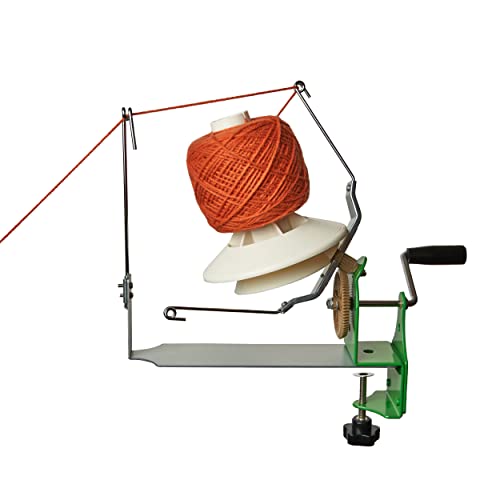
This winder is engineered for the professional or the dedicated hobbyist who winds yarn daily. It features a robust design that can handle high-volume winding without overheating or skipping stitches.
What sets this model apart is the precision of the bobbin rotation, which creates a very uniform cake. A perfectly wound cake isn’t just about aesthetics; it ensures that your yarn feeds evenly, preventing the sudden tugs that can alter your gauge mid-row.
It is an expensive piece of equipment, but the build quality reflects the price tag. If you are a prolific knitter who values precision and mechanical reliability, this is the tool that will last you for decades.
Lacis Wooden Yarn Ball Winder for Artisans
There is a distinct aesthetic pleasure in using a wooden tool that feels as artisanal as the hand-spun yarn you are winding. This winder is not just functional; it is a beautiful piece of equipment that looks right at home in a dedicated craft room.
Beyond the visuals, the wooden components provide a unique tactile experience and are often sturdier than low-end plastic alternatives. The natural material is less prone to static buildup, which is a major advantage when dealing with synthetic blends or alpaca fibers that tend to cling.
Keep in mind that wood requires a bit more care than plastic or metal. You should occasionally check that the joints remain tight and consider a light application of wood wax to keep the moving parts operating with smooth, friction-free motion.
U-nitt Metal Yarn Winder: Best Performance
The U-nitt stands out for its balance of heavy-duty performance and user-friendly design. It manages to bridge the gap between industrial-strength winders and consumer-grade models, offering a smooth crank that requires very little effort.
The metal base is exceptionally stable, which is a huge benefit if you tend to wind while watching TV or chatting. It creates a very firm, dense cake that won’t collapse or lose its shape, even if you are transporting it in a project bag.
If you are looking for a reliable "workhorse" that performs consistently regardless of fiber type, this is a top choice. It handles everything from slippery silk blends to grippy wool with equal competence.
Cowgirl Yarn Ball Winder: Compact Choice
If your knitting space is limited to a small corner of the dining table, the Cowgirl winder is a fantastic space-saving solution. It is compact, lightweight, and designed to clamp securely to thinner surfaces without taking up unnecessary room.
Despite its small size, it does not sacrifice the quality of the center-pull cake. It is perfect for winding smaller yardages, such as the leftovers from a sweater project that you want to save for colorwork heels or toes in sock knitting.
Because it is smaller, it is best suited for light to medium-weight yarns. If you are winding heavy, chunky weight yarn, you may find the capacity limits reach their peak quickly, so measure your yardage accordingly.
Essential Features for Smooth Yarn Winding
When shopping for a winder, look for a heavy base or a strong, secure clamp mechanism. A winder that wobbles or slides across the table will inevitably lead to uneven tension and potential tangles.
The yarn guide arm is another critical component to inspect. It should have a smooth eyelet or tensioning wire that allows the yarn to glide freely; any rough edges here will snag your fiber and potentially damage delicate plies.
- Gear Material: Metal gears generally offer better longevity than plastic.
- Winding Capacity: Ensure the bobbin size matches your typical project needs.
- Tension Control: Look for a guide that provides consistent resistance.
- Stability: A wider base or deeper clamp is essential for high-speed winding.
How to Properly Setup Your Yarn Ball Winder
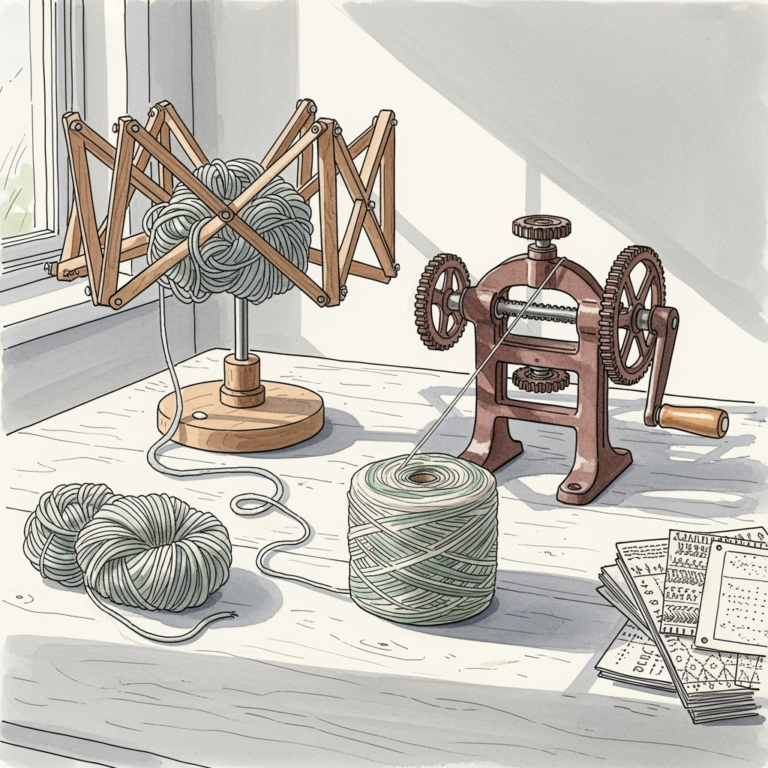
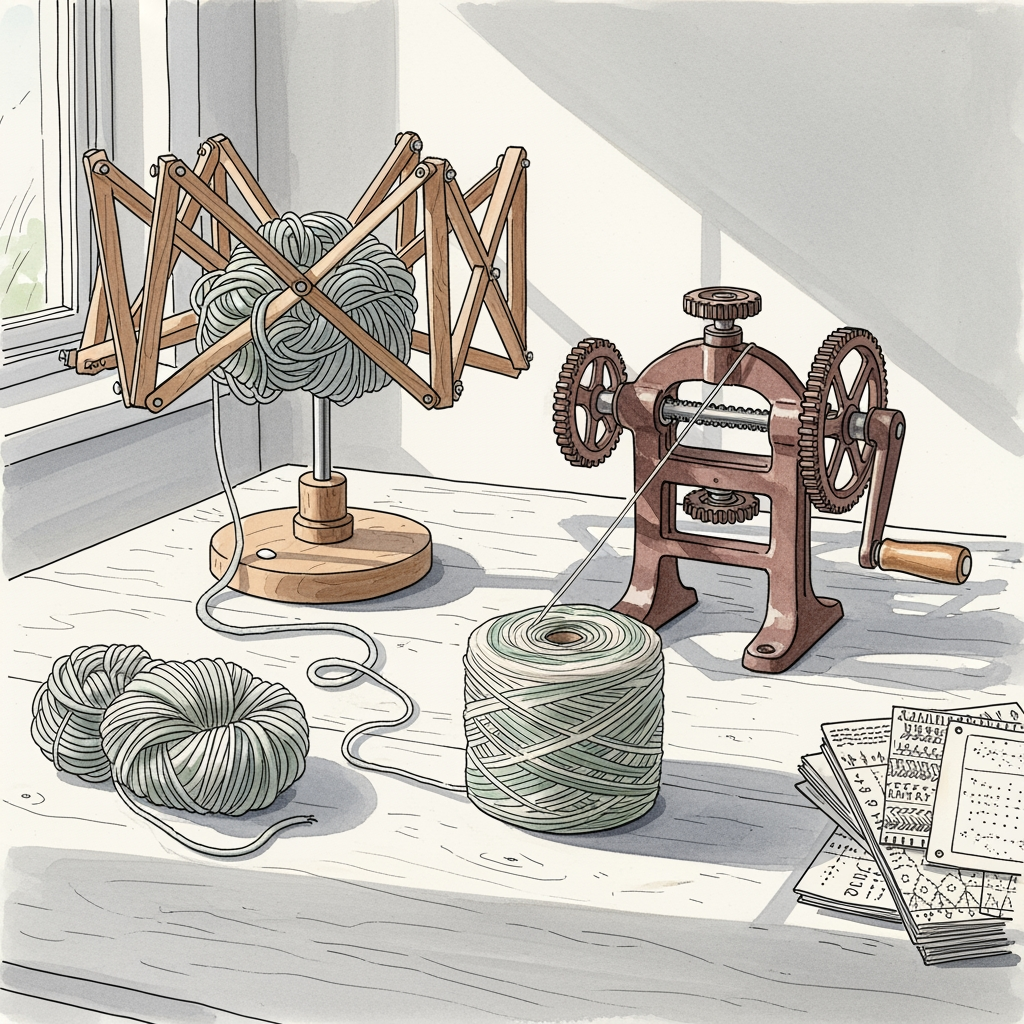
The most common mistake knitters make is failing to use a yarn swift. A swift holds your hank in a circular loop, allowing it to spin freely as the winder pulls the yarn; without one, you are essentially asking for a tangled disaster.
Position your swift at least two to three feet away from the winder. This distance provides enough space for the yarn to feed at a natural angle, which prevents the winder from pulling too hard and stretching the fiber.
Always ensure the winder is clamped firmly to a stable, flat surface. Before you start cranking, check that the yarn is threaded correctly through the guide arm; a misaligned thread path is the primary cause of uneven, messy cakes.
Troubleshooting Common Yarn Tangling Issues
If your yarn is tangling during the winding process, stop immediately and check your tension. Often, the yarn is feeding too quickly from the swift, causing it to loop around the spindle base rather than onto the bobbin.
Another frequent culprit is "yarn barf," which happens when the center-pull core collapses. This usually occurs if you wind the yarn too loosely; try to maintain a steady, moderate speed to build a firm, structured cake that holds its shape.
If you are using a slippery fiber like bamboo or rayon, it may slide off the bobbin during winding. To fix this, keep your hand lightly on the yarn strand as it feeds into the winder to provide a bit of added tension and control.
Maintaining Your Winder for Long-Term Use
Like any precision tool, your winder needs a little maintenance to stay in top shape. Periodically wipe down the plastic or metal parts to remove dust and stray fiber bits that can accumulate in the gears.
If the crank starts to feel stiff, a tiny drop of food-safe silicone lubricant on the primary gear teeth can work wonders. Avoid using heavy oils, as they can attract dust and eventually gum up the mechanism.
Always store your winder in a clean, dry place when not in use. If it has a removable guide arm, consider taking it off to prevent it from being accidentally bent or snapped while the unit is in storage.
Choosing the right yarn ball winder is about balancing your specific project needs with the physical space you have available. Whether you opt for a heavy-duty metal model or a compact plastic version, the result should be a neat, organized stash that makes your knitting more enjoyable. Take the time to set up your swift and winder correctly, and you will spend far less time untangling and more time creating. Happy knitting!