
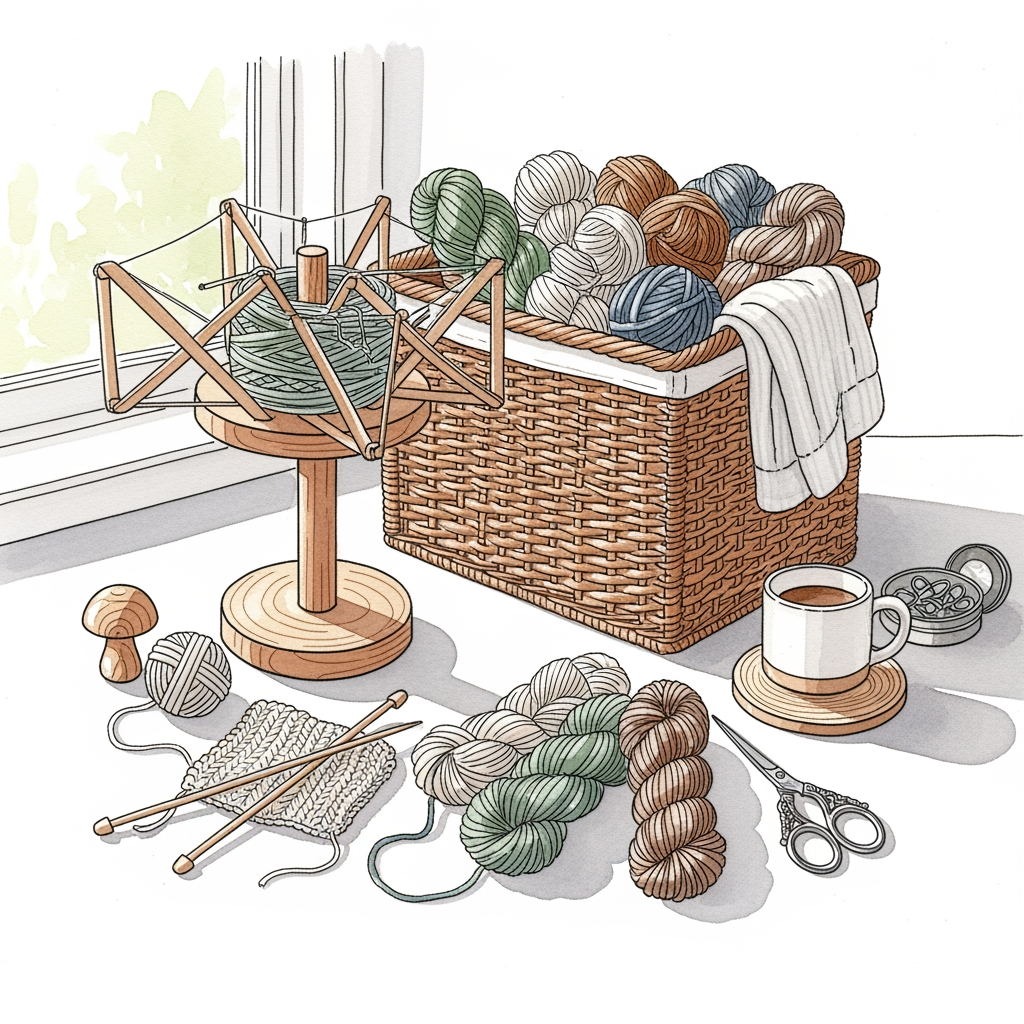
6 Best Storage Bins For Organizing Color Palettes
Organize your art supplies with our top 6 storage bins. Learn how to categorize color palettes efficiently while keeping your creative space tidy and accessible.
Building a cohesive yarn stash is a journey that often leads to a chaotic pile of tangled skeins and forgotten colorways. Organizing by color palette isn’t just about aesthetics; it’s about having the right inspiration at your fingertips when you’re ready to cast on. These storage solutions provide the structure needed to keep your fiber pristine and your creative process flowing. With the right containers, you can transform a messy stash into a curated library of potential projects.
The Container Store Weathertight Totes: Best Overall


When you have a significant stash of luxury hand-dyed wools, you need a seal that actually works. These totes feature a silicone gasket that creates a true barrier against the outside world.
For the knitter who keeps their stash in a basement or garage, this is the gold standard. The weathertight seal prevents humidity fluctuations, which can wreak havoc on delicate fibers like mohair or silk.
The only trade-off is the height; they are quite deep, which can lead to "burying" your skeins if you aren’t careful. Use them for your bulkier sweater quantities rather than small accessory remnants to avoid losing track of what’s at the bottom.
Sterilite Clear View Latching Box: Best Budget Pick

If you’re just starting to build your collection, you shouldn’t have to spend your entire yarn budget on storage. These boxes are ubiquitous for a reason: they are affordable, stackable, and perfectly clear.
The latching mechanism is secure enough to keep curious pets out, though it isn’t airtight. I recommend these for stash that you rotate through frequently, like your current cotton or acrylic project yarns.
Because they aren’t airtight, avoid storing your most precious, moth-prone fibers like untreated alpaca or cashmere in these long-term. They are excellent for keeping your "ready-to-knit" stash visible and accessible.
Iris USA Modular Stacking Bins: Best for Small Spaces

Living in a small apartment or having a dedicated knitting corner means every square inch of vertical space counts. These bins are designed to stack securely, creating a stable tower that won’t topple over when you pull a bin out.
The modular design allows you to mix and match sizes, which is helpful if you have a mix of massive sweater quantities and tiny sock-yarn scraps. You can dedicate one small bin to a specific color palette, like deep indigos or soft pastels.
Be mindful that these bins can be slightly brittle if overstuffed. Treat them with care when pulling them out of a tight shelf, and they will serve you well for years.
ArtBin Super Satchel Box: Best for Color Sorting
If you are a fan of stranded colorwork or intarsia, you likely have dozens of mini-skeins and color cards. The ArtBin system is specifically designed for crafters who need to see every single shade in their collection simultaneously.
The internal dividers are the real star here, allowing you to create custom-sized compartments for different yarn weights. You can easily group your fingering weight yarns by hue, making it simple to pick a palette for your next Fair Isle yoke.
These are not meant for large sweater quantities, so don’t try to cram a bulky wool sweater project into one. Instead, use them for your "palette collection"—the small, beautiful skeins that inspire your next design.
Muji Polypropylene Storage Cases: Best Minimalist

There is something incredibly calming about a uniform, minimalist stash. Muji cases offer a clean, professional look that blends into any home office or living room decor.
The semi-opaque nature of the plastic hides the "visual noise" of a multi-colored stash while still allowing you to see what’s inside. It’s the perfect middle ground between total transparency and complete concealment.
Keep in mind that these drawers are best for smaller items like needles, notions, or single skeins of sock yarn. They aren’t deep enough for large, squishy wool blankets or multiple sweater quantities.
Really Useful Boxes 4L Clear: Best for Durability
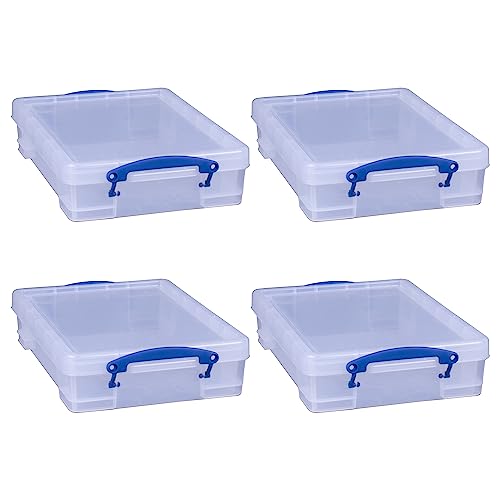
If you are the type of knitter who moves their stash around often, you need a box that can take a beating. These boxes are made from high-impact plastic that won’t crack under the weight of heavy wool.
The 4L size is surprisingly versatile, fitting about 3-4 standard 100g skeins of worsted weight yarn perfectly. Because the corners are squared off, you can pack them tightly into a shelf without wasting space.

They are an investment, but they are built to last a lifetime. If you are serious about long-term organization, these are the boxes you buy once and never have to replace.
How to Categorize Your Stash by Color and Weight
Organizing by color is visually satisfying, but organizing by weight is what makes your stash functional. I suggest a two-tiered system: group by yarn weight first, then within those weights, group by color.
- Lace/Fingering: Perfect for shawls and socks.
- Sport/DK: The sweet spot for sweaters and baby garments.
- Worsted/Aran: Your go-to for quick hats and warm winter gear.
- Bulky/Super Bulky: Best for fast, cozy projects.
If you have a large collection, try using color-coded labels on the outside of your bins. This way, you don’t have to open every box to find that specific shade of "mustard yellow" you need for your colorwork project.
Protecting Your Precious Fiber from Pests and Dust
Natural fibers are a magnet for moths and carpet beetles, especially if they have any residual lanolin. Always ensure your yarn is clean and dry before putting it into long-term storage.
Avoid using cedar blocks directly against your yarn, as the oils can sometimes transfer to the fiber. Instead, place cedar sachets or lavender bags near the bins to deter pests without risking damage to the yarn.
If you live in a high-risk area, consider double-bagging your most expensive hand-dyed wool in large freezer bags before placing them in your storage bins. It’s an extra step, but it provides peace of mind that a moth infestation won’t ruin your entire stash.
Measuring Your Shelf Space for Optimal Organization
Before you buy a single bin, take a tape measure to your shelves. The most common mistake knitters make is buying bins that are just slightly too tall for their shelf openings.
Account for the "lip" of the bin and the space you need to slide your hand in to grab it. You want a snug fit, but you don’t want to have to force the bin into place every time you use it.
Remember to factor in the weight of the yarn; if your shelf is particle board, don’t overload it with heavy bins of bulky wool. Distribute the weight evenly to prevent your shelves from bowing over time.
Essential Tips for Long-Term Yarn Storage Success
The most important rule of yarn storage is to keep your stash out of direct sunlight. UV rays can fade beautiful hand-dyed colors and weaken natural fibers over time, making them brittle.
Try to keep your yarn in a temperature-controlled environment whenever possible. Extreme heat can dry out fibers like silk and alpaca, while extreme cold can make them feel stiff and difficult to work with.
Finally, don’t be afraid to audit your stash once a year. If you find a yarn that you no longer love or that no longer fits your knitting style, pass it on to a friend or donate it to a local guild.
Organizing your yarn stash is a deeply personal process that evolves alongside your skills as a knitter. Whether you prioritize total visibility or aesthetic minimalism, the goal is to create a system that invites you to create rather than adds to your stress. Take your time, measure your space, and choose the storage that best honors the time and money you’ve invested in your fiber. Happy knitting, and may your stash always be a source of joy.

