6 Best Silk Pins For Pinning Delicate Knits
Discover the 6 best silk pins to secure delicate knits without snagging. Our guide reviews top-rated options to ensure your garments stay safe and pristine.
When you’ve spent forty hours perfecting a complex lace shawl, the last thing you want is a clumsy pin snagging your delicate yarn. Choosing the right pinning tool is just as vital as selecting your needles or your fiber blend. These six silk pins are the industry gold standard for ensuring your hard work remains pristine during the blocking process. Let’s explore which options will best protect your stitches and elevate your finished projects.
Clover Silk Pins: The Gold Standard for Delicates


Clover silk pins are arguably the most ubiquitous tool in a serious knitter’s notions bag for good reason. They are incredibly thin, which allows them to glide between delicate lace stitches without distorting the fiber or leaving permanent gaps.
The steel shaft is tempered just enough to offer flexibility without snapping under tension. If you are blocking a fine alpaca or a gossamer-weight mohair, these pins will slide through the blocking mat with minimal resistance.
Because they are so fine, they can occasionally bend if forced into a very dense blocking board. Use them for your most fragile, airy projects rather than heavy wool sweaters.
Dritz Extra-Fine Glass Head Pins for Precision

Dritz glass-headed pins are a staple for those who prefer a bit more visibility while working. The glass heads are heat-resistant, meaning you won’t accidentally melt a plastic head if you decide to steam-block your piece while the pins are still in place.
The extra-fine shaft is perfect for navigating the tight structure of sock-weight yarns. They provide enough grip to hold a picot edge in place without causing the yarn to "ladder" or run.

The trade-off here is the weight of the glass head. On extremely light, airy lace, the head can sometimes pull the fabric downward if you aren’t careful with your spacing.
Bohin Extra-Fine Silk Pins: Premium French Quality

Bohin pins are renowned for their exceptional nickel-plated steel finish. They feel incredibly smooth to the touch, which is crucial when you are handling high-twist merino or silk blends that are prone to snagging.
These pins are consistently sharp, point after point. A dull pin is the enemy of fine knitting, as it pushes through the fiber rather than parting it; Bohin avoids this issue entirely.
They are a premium investment, but for a knitter working with hand-dyed luxury yarns, they pay for themselves by preventing accidental fiber breakage. Treat these as your "special occasion" pins for heirloom-quality pieces.
Taylor Seville Magic Pins for Easy Fabric Grip

Taylor Seville pins are unique because of their comfort-grip heads. They are significantly easier to handle if you have arthritis or struggle with the dexterity required to pick up tiny, thin-headed pins.
The shaft is made from a specialized metal that is both strong and rust-resistant. This is a major benefit if you are a "wet blocker" who saturates your knits thoroughly before pinning them out.
While they are slightly thicker than a traditional silk pin, they are still fine enough for most fingering-weight projects. They are the best choice if you find yourself dropping pins frequently or if you need a better tactile hold.
Prym Extra-Fine Silk Pins for Minimal Distortion
Prym has mastered the art of the slender, low-profile pin. These are designed specifically to be unobtrusive, making them ideal for blocking intricate cables or lace where you don’t want the hardware to distract from the stitch definition.
The points are tapered with precision, allowing them to slip into the center of a stitch rather than piercing the yarn ply itself. This is critical for maintaining the integrity of your yarn over time.
They are quite long, which provides a good amount of surface area to weave into your blocking mat. This extra length helps keep the pin secure even when you are pulling a project taut to open up its lace pattern.
Tulip Hiroshima Silk Pins: Sharpness and Quality
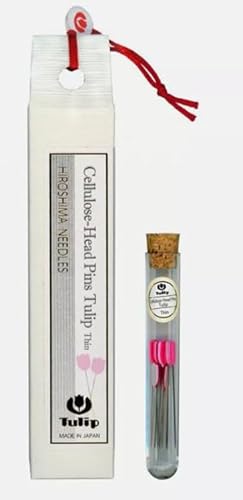
Tulip pins are manufactured with a level of attention to detail that is rare in the notions world. Each pin is polished to a high sheen, ensuring that it passes through even the most "sticky" or fuzzy fibers, like angora or mohair, without grabbing.
The sharpness of these points is unparalleled. If you find that your current pins are causing "pilling" or fiber damage as you insert them, switching to Tulip is often the solution.
They arrive in a beautiful, reusable case, which reflects the quality of the tool inside. They are a pleasure to use and represent the pinnacle of needle-making technology for fiber artists.
Why Silk Pins Are Essential for Blocking Knits
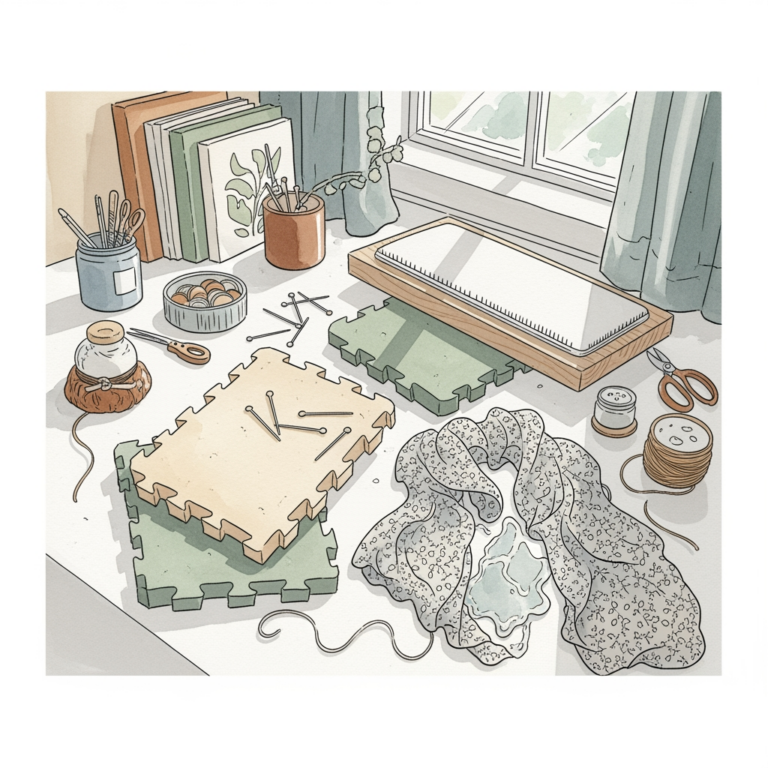
Blocking is the final, transformative step of any knitting project. Using the wrong pins, such as thick sewing pins or office push-pins, can stretch out your stitches unevenly or leave unsightly holes in your fabric.
Silk pins are designed to be thin enough to disappear into your knitting. By using a thinner pin, you ensure that the tension of the blocking process is distributed across the fabric rather than concentrated on a single, thick metal shaft.
- Preserves stitch shape: Fine pins allow for subtle adjustments.
- Prevents snagging: Smooth surfaces protect delicate fibers.
- Increases precision: You can pin exactly where the pattern requires.
Understanding Pin Gauge and Fabric Damage Risks
In knitting, "gauge" usually refers to your stitches, but it also applies to your tools. A pin that is too thick for your yarn will physically displace the fibers, creating a permanent hole that might not "bloom" back into place after the piece dries.
If you are working with a thin, tightly plied yarn, you need a pin with a low gauge. Conversely, if you are blocking a thick, rustic wool, you can get away with a slightly sturdier pin.
Always test your pin on a swatch before pinning your final project. If you see the yarn fibers being pushed aside or hear a faint "snapping" sound, the pin is too thick for that specific fiber.
How to Safely Pin Delicate Lace and Fine Yarns
When pinning lace, the goal is to define the pattern without creating "dents" in the fabric. Start by pinning the center of your piece and working outward toward the edges to ensure symmetry.
Never pull the yarn so tightly that it loses its natural drape. The pin should act as a guide to hold the shape, not a tool to stretch the life out of your hard work.
If you are working with dark-colored yarns, be extra cautious about using pins with colored heads, as they can sometimes bleed or contrast sharply if the project is left to dry for a long time. Use clear or metallic heads for maximum safety.
Best Practices for Storing Your Specialty Pins
Your pins are precision tools, and their sharpness is their most valuable feature. Never store them loose in a bag where the points can strike against each other and become blunt.
Use a magnetic pincushion or a dedicated pin case to keep them organized and protected. If you notice a pin has become bent, discard it immediately; a bent pin is a liability that will snag your next project.
Keep your pins away from moisture when not in use. Even rust-resistant pins can develop surface oxidation if left in a damp environment, which will ruin the smooth finish you rely on for your delicate knits.
Investing in high-quality silk pins is a sign that you respect the time and effort you’ve poured into your knitting. By choosing tools that match the delicacy of your fibers, you ensure that your projects look as professional off the needles as they do on the blocking mat. Take care of your pins, and they will help you achieve the perfect finish every time. Happy knitting, and may your blocking always be stress-free.