6 Best Needle Gauges For Checking Bulky Yarn Weights
Find the perfect fit for your projects. We review the 6 best needle gauges for bulky yarns to ensure accurate tension, smooth stitching, and expert results.
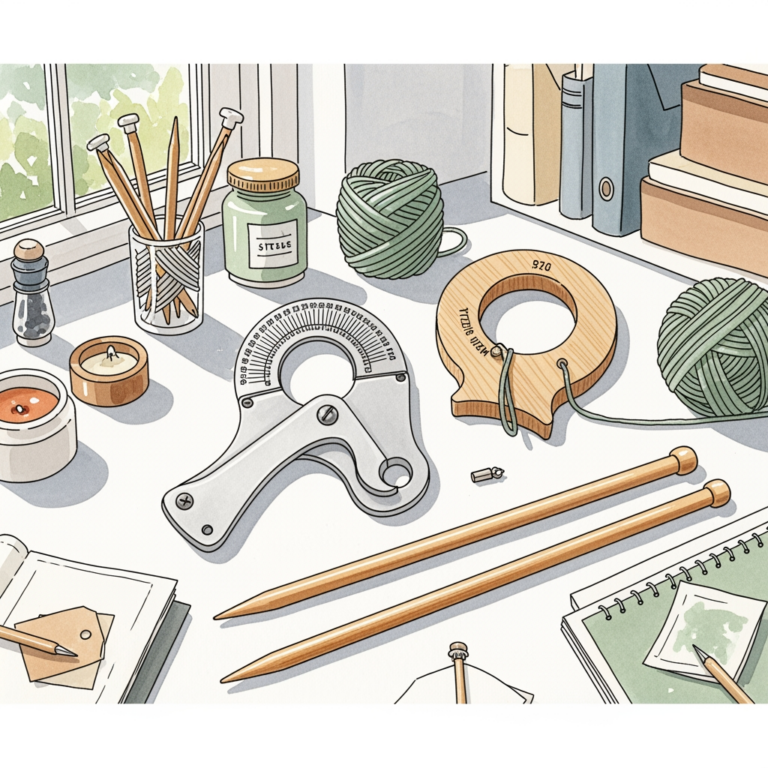
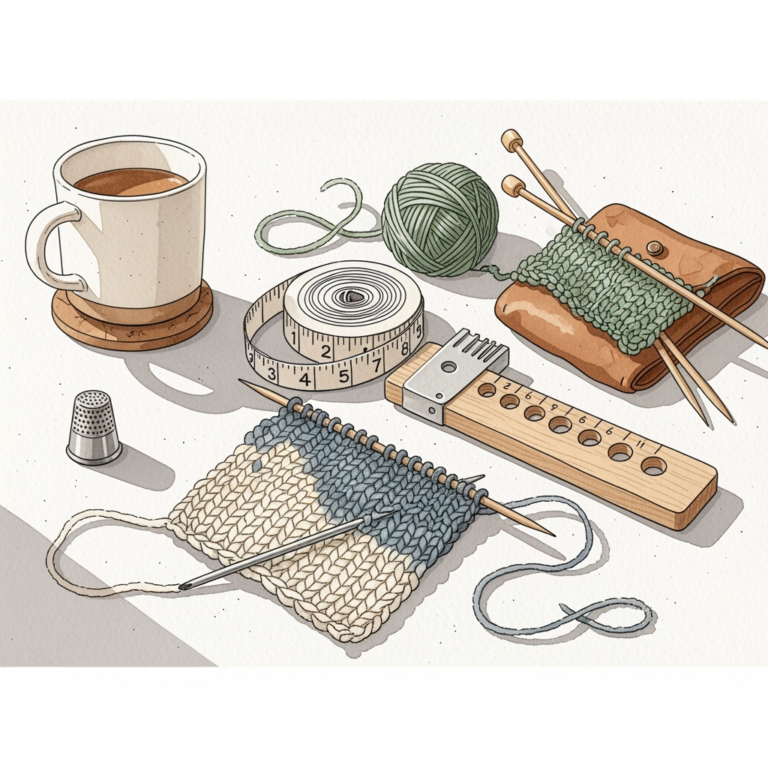
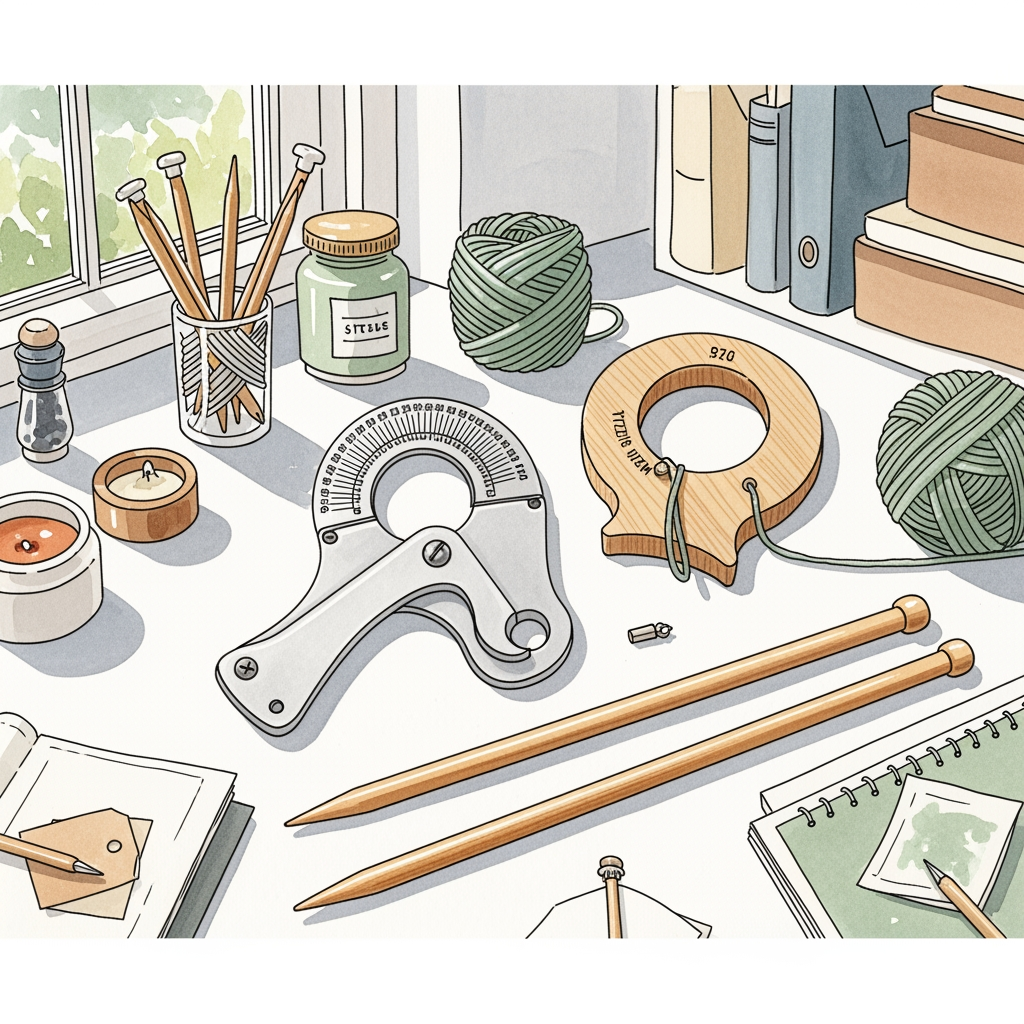
Knitting with bulky yarns can be incredibly rewarding, but it requires precision to ensure your stitches don’t become distorted or overly loose. A reliable needle gauge is the unsung hero of your notions bag, especially when working with thicker diameters where small size discrepancies are magnified. Using the right tool ensures your project meets the intended dimensions and drapes beautifully. Here are the best tools to keep your bulky knitting projects perfectly sized.
ChiaoGoo 6-Inch Stainless Steel Needle Gauge


When you’re working with bulky or super-bulky needles, you need a gauge that won’t flex or bend under the weight of the metal. This stainless steel tool is exceptionally rigid, providing a consistent measurement that doesn’t change even if you accidentally drop it in your knitting bag.
The etched markings are permanent, meaning they won’t rub off after years of heavy use. Because it’s made of metal, you can also use it to check the diameter of your needles if the original laser-etched size has worn off the shaft.
The trade-off here is that stainless steel is slick and can sometimes slide out of your notions pouch. However, the durability makes it a "buy it once" investment that will likely outlive your collection of needles.
Susan Bates Knit Chek: The Classic Choice
The Knit Chek is a staple in most knitters’ kits for a reason: it does double duty as a needle gauge and a stitch ruler. It’s an incredibly practical tool for measuring gauge swatches, which is vital when working with bulky yarns that eat up yardage quickly.
If you’re a beginner, this tool is helpful because it provides both metric and US sizing on one side. It helps you learn the correlation between the two systems, which is essential when reading patterns from international designers.
The plastic can be prone to scratching over time, which might make the numbers harder to read in low light. Despite this, its lightweight profile makes it the best choice for travel knitting where every ounce in your bag counts.
CocoKnits Maker’s Keep Gauge and Tool

This is more than just a gauge; it’s a sophisticated system for the organized maker. The gauge itself is magnetic, allowing it to stick to the Maker’s Keep wristband, which keeps your tools within reach while you’re working on a bulky blanket or sweater.
For those prone to losing their needles, the magnetic aspect is a game-changer. It’s particularly useful when you have multiple projects on the go and need to quickly identify which size needle you’re using without hunting through your stash.
While it is a higher-priced item, the multifunctionality justifies the cost for serious knitters. If you value a tidy workspace and hate digging through project bags, this is the gold standard for convenience.
Knitter’s Pride Mindful Collection Gauge

The Mindful Collection gauge is designed with a focus on aesthetics and calm, featuring a soothing color palette that stands out in a pile of yarn. It’s made from high-quality materials that feel substantial in the hand, signaling a premium experience.
Beyond its looks, the sizing holes are cut with extreme precision. When checking bulky needles, you want a snug fit that doesn’t leave room for "wiggle," and this gauge provides that level of accuracy consistently.
It’s an excellent choice if you enjoy tools that feel as good as they look. While it performs the same function as cheaper plastic gauges, the tactile quality makes the process of checking your needles feel like a deliberate, mindful part of your craft.
Clover Knitting Needle Size Gauge Tool

Clover tools are ubiquitous because they are reliable, affordable, and easy to find in any local yarn shop. This gauge is lightweight and features a simple, no-nonsense layout that makes it easy to identify the correct hole size at a glance.
If you are just starting out with bulky yarn projects, you don’t need a complex system. You need a tool that tells you exactly which needle you are holding so you can get to the fun part: the knitting.
The only downside is that plastic can occasionally develop burrs or cracks if handled roughly. Keep it in a small protective sleeve or a dedicated notions tin to ensure the accurate sizing edges remain smooth and effective.
Boye Aluminum Knitting Needle Gauge
The Boye gauge is a classic metal tool that offers a nice weight without being heavy. Its aluminum construction is resistant to the warping that can sometimes plague plastic gauges when left in a hot car or a crowded project bag.
Because it is made of metal, it’s also quite thin, making it easy to slip into a needle case or a small zipper pocket. It’s a workhorse tool that doesn’t demand much attention but delivers consistent results every time.
If you’re working with vintage needles that have lost their size markings, the metal edge of this gauge is excellent for testing. It’s a durable, no-frills option that belongs in every knitter’s primary notions kit.
Why Accurate Sizing Matters for Bulky Yarns

Bulky yarns are unforgiving when it comes to gauge. Because the stitches are so large, even a half-millimeter difference in needle size can result in a garment that is inches too big or small.
When you work with thick yarn, you are often working with a lower stitch count per inch. A slight deviation in the needle diameter creates a cumulative effect that alters the drape, the weight, and the final fit of the piece significantly.
Always check your needles before you start a new project, even if you think you know the size. Consistency is the foundation of professional-looking results, especially when you are investing in expensive, high-quality bulky wool or alpaca blends.
How to Measure Bulky Yarns Without Stretching
Measuring bulky yarn is different from measuring fine lace-weight yarn because the fiber can be easily compressed. When using a tool to check the "weight" or diameter of the yarn itself, avoid pulling it tight, as this will give you a false, thinner reading.
Instead, lay the yarn gently across your measuring tool or use a WPI (Wraps Per Inch) gauge. By wrapping the yarn around a ruler without tension, you allow the fibers to sit at their natural, uncompressed state.
Remember that yarn weight is about volume, not just thickness. If you stretch your yarn while measuring, you’ll end up with a gauge swatch that doesn’t match your actual knitting, leading to a finished item that feels stiff or "board-like."
Plastic vs Metal Gauges: Which Lasts Longer?
Metal gauges generally win the durability contest, as they are resistant to heat, pressure, and the general wear and tear of a busy knitting life. They don’t warp, and the markings are usually etched rather than printed, meaning they won’t fade.
Plastic gauges are lighter and often cheaper, which is great for beginners or for keeping a spare gauge in every project bag. However, they can become brittle over time or develop rough edges that might snag delicate fibers.
If you are a frequent knitter, invest in a metal gauge for your main kit. Save the plastic ones for your "to-go" bag or as backups in case you misplace your primary tool.
Common Misconceptions About Yarn Weight Labels
Many knitters assume that the "Bulky" label on a yarn ball is a universal standard. In reality, yarn weight categories are often loose guidelines, and two different "Bulky" yarns can vary significantly in their actual diameter.
This is why your needle gauge is so important; it’s the bridge between the yarn label and your actual tension. Never rely solely on the suggested needle size on the ball band, as your personal knitting style might require a different size to achieve the desired fabric density.
Always swatch, measure your needles, and check your gauge before committing to a full project. Trust your tools more than the marketing on the label, and you will find your knitting becomes much more predictable and enjoyable.
Mastering the use of a needle gauge is a simple step that separates casual hobbyists from confident, consistent knitters. By choosing a gauge that suits your personal style and keeping it handy, you ensure every bulky project starts with the right foundation. Always remember that your tools are there to support your creativity, so pick the one that feels best in your hands. Happy knitting, and may your gauge always be spot on.