6 Best Wool Washes For Hand-Dyed Fibers To Use
Preserve your hand-dyed fibers with these 6 top-rated wool washes. Discover gentle, pH-neutral formulas that prevent color bleeding and maintain yarn softness.
Investing hours into a hand-dyed project means the final soak is just as important as the first cast-on stitch. Using the wrong detergent can strip vibrant pigments or leave your fibers feeling brittle and lifeless. The right wash preserves the integrity of your yarn while ensuring your hard work stays soft for years to come. Here are the top choices to keep your hand-dyed fibers looking as stunning as the day you bought them.
Eucalan Delicate Wash: Best Overall for Wool
Eucalan is the gold standard for a reason, acting as a gentle cleanser that requires no rinsing. It is pH neutral and contains essential oils like eucalyptus or lavender, which naturally deter moths.
For a finished lace shawl that took you months to complete, this is my go-to. You simply submerge the item, let it sit, and then squeeze out the excess water—no rinsing means less agitation, which is critical for preventing felted patches.
The trade-off is the scent, which can be quite strong for those with sensitivities. However, for general maintenance of high-quality wool, it strikes the perfect balance between effectiveness and ease of use.
Soak Wash: Best Rinse-Free Option for Fibers
Soak wash is designed specifically for those of us who dread the "rinse and repeat" cycle of blocking. It is incredibly efficient, requiring only a small amount of product to clean a whole sweater’s worth of yarn.
I often recommend this for knitters working with delicate fibers like alpaca or cashmere. Because it is rinse-free, you minimize the amount of handling your garment receives while wet, which is when fibers are at their most vulnerable to stretching.
Keep in mind that while it is excellent for cleaning, it isn’t a heavy-duty stain fighter. If you are dealing with significant dirt or grease, you may need a more specialized formula.
Kookaburra Wool Wash: Best for Sensitive Skin


If you have ever experienced skin irritation from a sweater, Kookaburra is a fantastic, tea tree oil-based solution. It is naturally antimicrobial and antifungal, making it a powerhouse for keeping wool fresh without harsh chemicals.
I find this particularly useful for baby items or garments worn directly against the neck. The tea tree oil provides a clean, medicinal scent that dissipates quickly, leaving behind nothing but soft, neutralized fiber.
It is a concentrated formula, so a single bottle lasts a surprisingly long time. Just be careful not to over-pour; a little goes a long way in a basin of lukewarm water.
Unicorn Fibre Wash: Best for Deep Cleaning
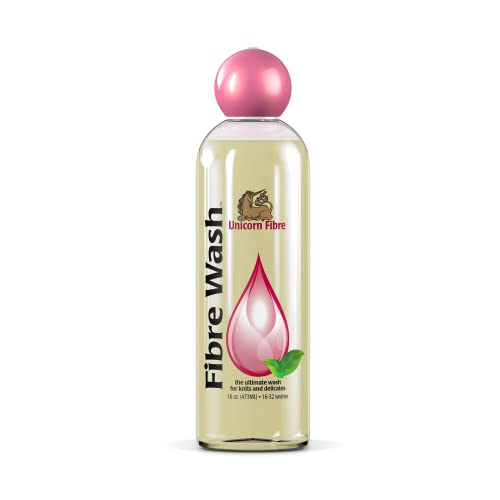
Unicorn Fibre Wash is the heavy lifter of the bunch, formulated to tackle stubborn grime or oils that milder washes might miss. It is highly effective for cleaning vintage yarn finds or projects that have spent a bit too long in storage.
When working with hand-dyed yarns that have a lot of excess pigment, this wash can help stabilize the color during the first wash. It cuts through residues effectively, ensuring your final project feels truly clean.
Because it is more potent, I suggest using it primarily for the initial "deep clean" or for heavily soiled items. For weekly refreshes, you might prefer a gentler, everyday wash.
Tenembaum’s Wool Wash: Best for Hand-Dyed

Tenembaum’s is a niche favorite among indie dyers and those who exclusively use hand-dyed yarn. It is specifically formulated to be gentle on delicate pigments, minimizing the risk of color bleeding during the soak.
If you have ever spent hours on a stranded colorwork project using high-contrast hand-dyed yarns, you know the anxiety of that first soak. This wash is designed to keep those colors locked in place.
It is a bit harder to find than the big-box brands, but the peace of mind it offers is worth the hunt. It is a specialized tool for a specialized craft.
Outback Gold Wool Wash: Best for Raw Fibers
Outback Gold is a lanolin-rich wash that excels at restoring the bounce and softness to raw or minimally processed wool. If you are spinning your own fiber or working with rustic, heritage-breed yarns, this is an excellent choice.
Lanolin is the natural oil found in sheep’s wool, and this wash helps replenish what is lost during processing. It makes the fibers feel supple and resilient, almost like they have been freshly shorn.
Be aware that because it adds lanolin back into the fiber, it can make your yarn slightly "grippier." This is wonderful for sweaters that need to hold their shape, but perhaps less ideal for delicate, drape-heavy lace.
Why Hand-Dyed Yarns Require Gentle Washing
Hand-dyed yarn is a work of art, often processed in small batches using acid dyes that bond to the fiber protein. Unlike mass-produced yarn, which is often commercially scoured and set at high temperatures, indie-dyed yarn relies on the dyer’s specific curing process.
Using a harsh, high-pH detergent can disrupt these chemical bonds, causing the dye to "break" or bleed into the water. This is especially true for deep jewel tones or highly variegated yarns that contain multiple pigment layers.

Always err on the side of caution. A gentle, pH-balanced wash ensures that the vibrancy you fell in love with at the yarn shop stays locked into the fiber, rather than washing down the drain.
How to Prevent Color Bleed in Hand-Dyed Wool
The most common mistake knitters make is using water that is too hot. High temperatures open the fiber cuticle, allowing dye molecules to escape, which leads to immediate bleeding.
Always use cool to lukewarm water, and never let your hand-dyed project soak for hours on end. If you are worried about a specific color—like a bright red paired with a white—add a splash of white vinegar to your soak water to help set the dye.

If you do see color in the water, don’t panic. A small amount of "crocking" or bleeding is normal in the first wash, but if the water turns opaque with dye, remove the item immediately and rinse with cold water.
The Science of Lanolin in Wool Care Products
Lanolin is essentially nature’s conditioner, providing the water-repellency and softness that makes wool so durable. Many wool washes include added lanolin to mimic this natural state, which helps keep the fibers hydrated.
When you wash wool, you are essentially stripping these natural oils away. A wash with added lanolin acts as a replenishing treatment, preventing the wool from becoming brittle or "straw-like" over time.
However, if you are allergic to wool or have very sensitive skin, look for lanolin-free options. It is a great feature for longevity, but it is not strictly necessary for every project.
Essential Tips for Blocking Delicate Knits
Blocking is the final act of your knitting process, and it is where the shape of your garment is truly set. After your gentle soak, never wring or twist your project, as this can permanently distort the stitch structure.
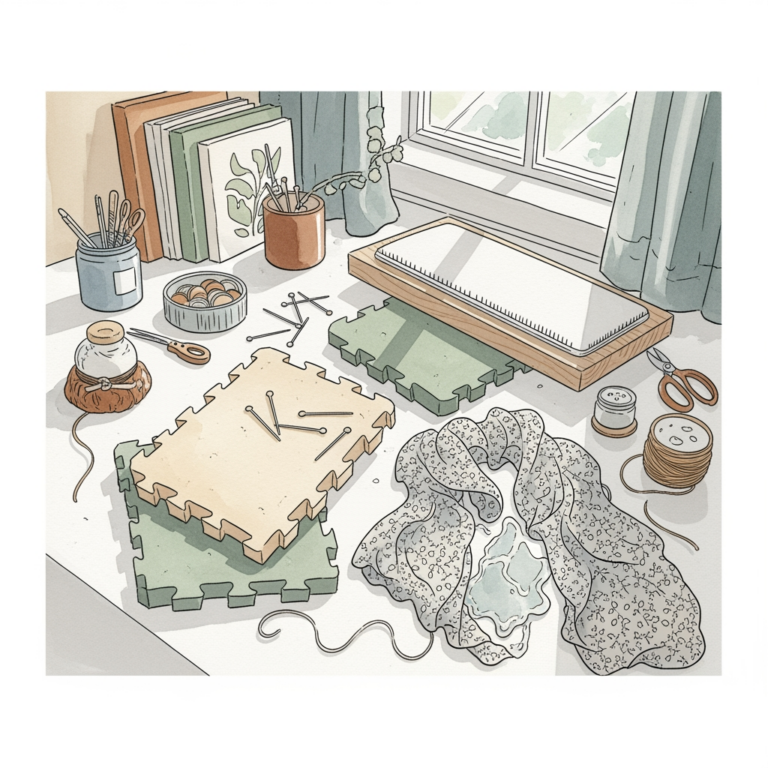
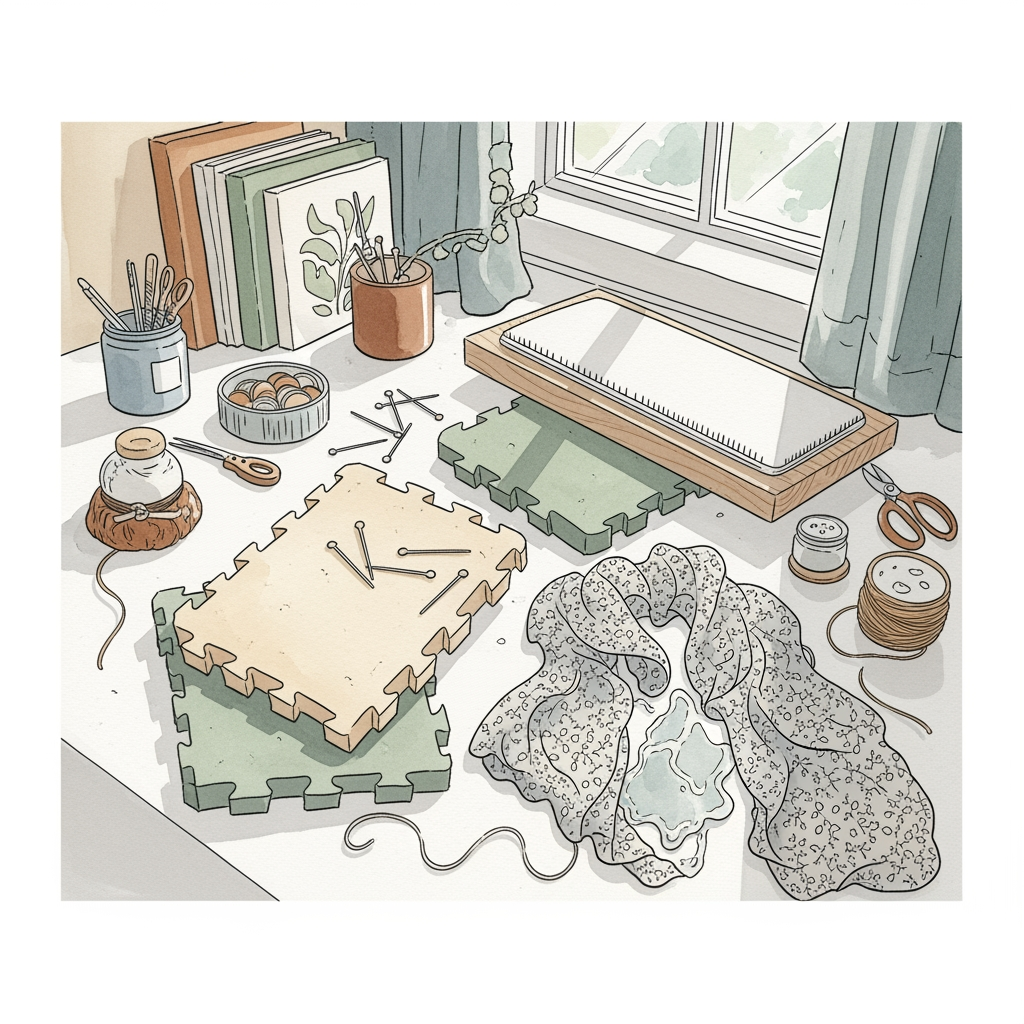
Instead, lay your item flat on a clean towel and roll it up like a burrito to press out the excess water. Once the item is damp but not dripping, move it to your blocking mats.
Use rust-proof pins to gently ease the fabric into its intended dimensions. Remember that different fibers react differently; wool has "memory" and will hold its shape well, while alpaca will stretch significantly and should be blocked more conservatively.
Taking care of your hand-dyed wool is an extension of the love you poured into every stitch. By choosing a wash that respects the fiber and the dye, you ensure your garments remain heirloom-quality pieces. Treat your knits with the same care you used to create them, and they will keep you warm for a lifetime.