7 Best Wool Yarns For Baby Blankets Worth Trying
Discover the top 7 wool yarns for baby blankets. We evaluate softness, durability, and washability to help you choose the perfect material for your project.
Choosing the right yarn for a baby blanket is a high-stakes decision that balances heirloom quality with the realities of frequent washing. As a knitter, you want a fiber that feels like a soft embrace against delicate skin while standing up to the inevitable spills and spit-ups. The best wools for these projects offer a perfect marriage of thermal regulation and machine-washable convenience. This guide explores seven exceptional wool yarns that turn a simple blanket into a cherished, long-lasting keepsake.
Malabrigo Rios: The Best Superwash Merino Choice
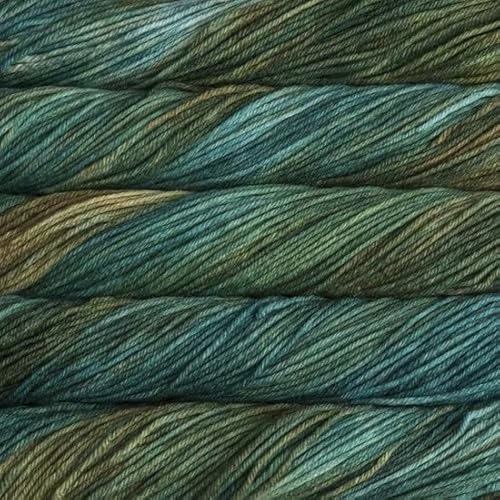

Malabrigo Rios is a staple in my stash for one reason: its incredible, hand-dyed depth of color paired with a buttery-soft hand. This worsted-weight, 100% superwash merino wool is exceptionally squishy, making it perfect for baby blankets that need to be cozy without being overly heavy.
Because it is a plied yarn, it holds stitch definition beautifully, which is vital if you are working on a textured pattern like a seed stitch or a cable. However, be aware that because it is kettle-dyed, there can be significant color variation between skeins. Always alternate skeins every two rows if you are working on a large blanket to avoid visible color shifts.
The bottom line is that Rios offers a luxury feel that is surprisingly practical. It is soft enough for a newborn’s sensitive skin but durable enough to survive a toddler’s drag-along phase.
Cascade 220 Superwash: Best Value for Projects

If you are planning a large-scale blanket, Cascade 220 Superwash is the workhorse of the fiber world. It is a consistent, reliable, and widely available yarn that doesn’t break the bank when you need to buy ten or more skeins for a full-sized baby afghan.
The twist on this yarn is quite balanced, meaning it doesn’t split easily on your needles, which is a blessing for long, repetitive rows. It comes in an enormous spectrum of colors, making it easy to find the perfect palette for any nursery theme.
While it lacks the "halo" or fuzziness of a luxury yarn, it is incredibly sturdy. If you are a beginner knitter, this is the yarn I recommend; it is forgiving, easy to count stitches with, and stands up to the occasional accidental "tink" (unknitting) session.
Rowan Baby Merino Silk: Softness for Newborns

When you want the absolute pinnacle of softness, look to a blend of merino and silk. Rowan Baby Merino Silk is designed specifically for infants, and the inclusion of silk gives the yarn a subtle, elegant sheen and a drape that is unmatched by pure wool.
The fiber is incredibly fine, which makes it feel lighter than air against the skin. Because it is so soft, it is ideal for blankets intended for newborns who spend most of their time swaddled or lying on their backs.
Keep in mind that this is a lighter-weight yarn, so your blanket will take longer to knit than one worked in a bulky wool. It is an investment in time and material, but for a special heirloom piece, the tactile experience is worth every stitch.
Quince & Co. Osprey: Best Bulky Wool Option
Sometimes you need a blanket finished by next weekend, and that is where Quince & Co. Osprey shines. This is a round, three-ply yarn that is remarkably lofty and warm, making it the fastest way to get a substantial, heirloom-quality blanket onto the needles.
Because it is a bulky weight, it creates a thick, pillowy fabric that is perfect for floor time or chilly stroller rides. The wool has a bit more "tooth" or grip than a superwash merino, which means your stitches will lock into place and stay put.
If you are using wooden needles, you might find the grip of this yarn quite pleasant, as it prevents your stitches from sliding off too easily. It is a fantastic choice if you prefer a rustic, natural aesthetic over a polished, synthetic-feeling finish.
Berroco Vintage Wool: Durability Meets Comfort

Berroco Vintage is a clever blend of wool, acrylic, and nylon, and it is arguably the best "real-life" choice for parents. The addition of synthetic fibers gives the yarn a resilience that pure wool sometimes lacks, ensuring the blanket won’t lose its shape after a dozen trips through the washing machine.
The yarn has a wonderful, soft hand that mimics high-end wool while offering the practical benefits of a blend. It resists pilling better than many 100% merino yarns, which is a major factor when a blanket is going to be rubbed against car seats and carpet fibers.
Don’t let the word "blend" deter you; this is not a cheap-feeling yarn. It is a calculated choice for anyone who values longevity and ease of care above all else.
Brooklyn Tweed Dapple: Best American Wool Pick
Brooklyn Tweed Dapple is a unique, woolen-spun yarn that feels like a cloud. Because it is woolen-spun—meaning the fibers are carded rather than combed—it traps a significant amount of air, making it incredibly warm for its weight.
The colorways are achieved by blending different dyed fibers together, creating a heathered, painterly effect that is sophisticated and timeless. It doesn’t have the slickness of a superwash, so it feels more "authentic" to the sheep, yet it remains surprisingly gentle.
Use this for a blanket that is meant to be a design piece in the nursery. It’s an American-made treasure that feels special to work with, especially if you enjoy the rhythmic, slightly fuzzy nature of a traditional wool.
The Fibre Co. Acadia: Luxury Texture and Feel

The Fibre Co. Acadia is a sophisticated blend of baby alpaca, silk, and merino wool that offers a unique, rustic texture. The silk adds a slight "nubbiness" to the yarn, which gives your finished blanket a beautiful, artisanal look that stands out from standard store-bought items.
The alpaca content provides a wonderful thermal quality, keeping the baby warm without causing them to overheat. It has a beautiful drape that makes the blanket feel fluid and cozy rather than stiff or board-like.
Because of the fiber mix, it has a slightly different tension than pure wool. I suggest knitting a gauge swatch and washing it before starting your main project to see how the silk and alpaca fibers bloom and settle in the water.
Why Superwash Wool Is Ideal for Baby Blankets
Superwash wool has been treated to remove the microscopic scales that cause standard wool to felt when exposed to heat and agitation. For a baby blanket, this is a game-changer because it allows you to toss the item into a washing machine on a gentle cycle.
Many knitters worry that superwash wool loses the "soul" of natural fiber, but modern processing techniques have come a long way. You still get the breathability and moisture-wicking properties of sheep’s wool, which is essential for regulating a baby’s body temperature.
When choosing a superwash, always check the label for "machine wash and dry" instructions. While most are machine washable, they may still require a low-heat tumble dry or air drying to prevent long-term stretching.
How to Gauge Yarn Softness for Sensitive Skin
Softness is subjective, but as a rule of thumb, look for high-micron counts—the lower the micron number, the finer and softer the fiber. Merino wool is generally the gold standard for softness, while breeds like Corriedale or Highland wool might be a bit too "prickly" for a newborn.
The best test is to take the yarn and rub it against the inside of your wrist or your neck, which are the most sensitive areas of your skin. If it feels scratchy there, it will definitely feel scratchy to a baby.
Also, consider the structure of the yarn; a tightly twisted, smooth yarn will feel softer than a loosely spun, fuzzy yarn. If you are worried about sensitivity, a yarn with a silk or nylon blend often provides that extra layer of smoothness that sensitive skin craves.
Essential Care Tips for Washing Wool Blankets
Even with superwash wool, treat your handmade blankets with respect to ensure they last for generations. Always use a wool-specific detergent like Eucalan or Soak, which cleans fibers without stripping the natural oils that keep the wool supple.
Avoid fabric softeners at all costs, as they can coat the fibers in a waxy film that ruins the natural breathability of the wool. If you are washing a non-superwash wool, you must hand-wash in cool water and lay it perfectly flat to dry on a towel to avoid stretching the fabric.
Finally, remember that wool is naturally antimicrobial and odor-resistant. You don’t need to wash a baby blanket every time it touches the floor; often, a simple spot clean or a good airing out on a breezy day is all it needs to stay fresh.
Selecting the perfect wool for a baby blanket is a rewarding process that bridges the gap between traditional craft and modern parenting needs. Whether you prioritize the machine-washable convenience of superwash merino or the rustic, airy charm of a woolen-spun blend, your choice will ultimately define the character of your finished piece. Take your time with your swatch, trust your hands, and enjoy the meditative process of creating a gift that will be loved for years to come. Happy knitting!