6 Best Wool Yarns for Stranded Colorwork to Try
Elevate your stranded colorwork with these six wool picks. We explore texture, grip, and stitch definition to help you choose the perfect yarn for your project.
Stranded colorwork is a transformative technique that turns simple stitches into intricate, wearable art, but your yarn choice is the single most important factor in your success. While many fibers look beautiful in the skein, only certain wools possess the “grip” necessary to keep floats secure and stitches even. This guide explores the best yarns to help you achieve professional-looking results without the frustration of uneven tension. Choosing the right fiber means the difference between a puckered, tangled mess and a crisp, heirloom-quality garment.
Jamieson & Smith 2-Ply Jumper: The Fair Isle Gold
If you are aiming for an authentic Shetland-style sweater, this is the industry standard for a reason. It is a traditional, non-superwash wool that blooms beautifully after washing, essentially “locking” your stitches into place.
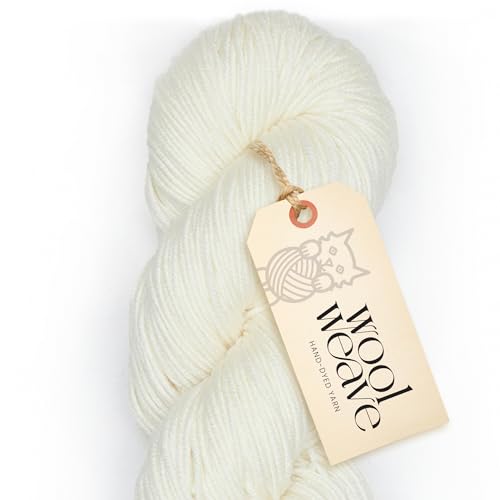

Because it is a true Shetland wool, it has a distinct, slightly toothy texture that prevents your colorwork floats from sliding around. This makes it incredibly forgiving for beginners who are still learning to manage two strands of yarn simultaneously.
The trade-off is that it is not the softest yarn against bare skin, so it’s best suited for outer layers like cardigans or pullovers worn over a base layer. If you want the quintessential Fair Isle look that holds its shape for decades, this is your primary choice.
Rauma Finull: The Best Choice for Crisp Definition
Rauma Finull is a Norwegian classic that offers an unparalleled color palette and a very specific, dry hand. It is a woolen-spun yarn, meaning the fibers are lofted rather than tightly twisted, which allows for incredible stitch definition.
When you knit with Finull, your colorwork motifs will look remarkably sharp and clear. The yarn is sturdy and has just enough elasticity to make it a dream for colorwork, as it fills in the gaps between stitches during the blocking process.
Be aware that because it is a lighter-weight fingering yarn, it can feel slightly fragile if you are a very aggressive knitter. However, for those who value clean lines and traditional Scandinavian aesthetics, the durability of this wool is unmatched.
Brooklyn Tweed Loft: Airy Wool for Soft Colorwork
Brooklyn Tweed Loft is a breed-specific Targhee-Columbia wool that feels much lighter than traditional rustic yarns. It is a woolen-spun, two-ply yarn that creates a fabric with a lovely, airy halo.
This yarn is perfect if you want to create colorwork garments that are warm but lightweight, avoiding the heavy, brick-like texture that can sometimes occur in dense stranded knitting. It is significantly softer than the Shetland or Norwegian options, making it a great choice for cowls or hats worn directly against the neck.
Because of its delicate construction, it requires a gentle hand and is not recommended for high-friction items like colorwork socks. If you want a luxurious, soft-focus finish for your colorwork, Loft is the gold standard.
Kelbourne Woolens Germantown: Durable and Classic
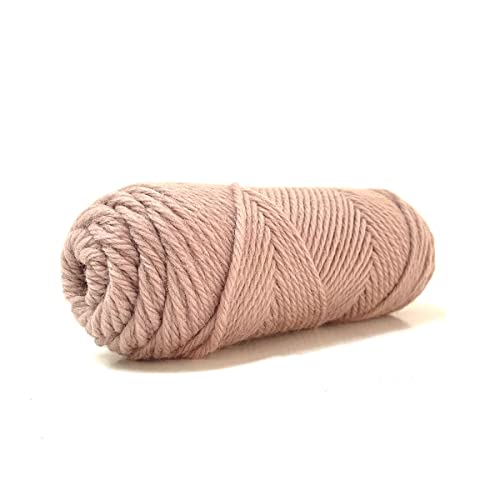
Germantown is a workhorse yarn made from 100% North American wool that is spun with a classic, sturdy twist. It is noticeably rounder and smoother than the woolen-spun options, which makes it very easy to work with for those who find “toothy” yarns difficult to handle.
This yarn is ideal for beginners because it is very consistent and doesn’t split easily on the needles. It creates a very durable fabric that stands up well to daily wear and tear, making it an excellent choice for mittens or heavy winter sweaters.
While it lacks the “bloom” of a traditional Shetland wool, it makes up for it with sheer reliability. If you are worried about your tension or want a yarn that will look exactly the same after years of heavy use, Germantown is a fantastic, accessible option.
Sandnes Garn Peer Gynt: The Ultimate Workhorse Yarn

Peer Gynt is a legendary Norwegian yarn that has been a staple in the knitting community for nearly a century. It is a 100% Norwegian wool that is famously robust, holding its shape perfectly even after years of heavy wear.
The yarn is slightly heavier than the others on this list, making it perfect for thick, warm sweaters that are meant to last a lifetime. It has a slightly rustic feel, but it softens up significantly with every wash, becoming more comfortable over time.
Because it is so sturdy, it is an excellent choice for large-scale colorwork projects where you don’t want to worry about the yarn wearing thin at the elbows. It is the definition of a “buy it once, wear it forever” yarn.
Ístex Léttlopi: Perfect for Rustic Icelandic Style

Léttlopi is the quintessential choice for those iconic Icelandic yoke sweaters. It is a unique yarn that combines the soft, insulating undercoat of the Icelandic sheep with the longer, water-repellent outer coat.
This blend creates a yarn that is incredibly warm and lightweight, yet surprisingly hardy. When you knit with it, the fibers interlock to create a wind-resistant fabric, which is why it is the go-to for outdoor garments.
Keep in mind that this yarn is quite rustic and can be itchy for those with sensitive skin. It is best used for outer layers, and you should always plan to wear a long-sleeved shirt underneath your finished project.
Why Wool Grip Matters for Stranded Colorwork Success
The “grip” of a yarn refers to the friction between the fibers, which helps your stitches stay exactly where you put them. In stranded colorwork, you are carrying a second strand of yarn across the back of your work; if your yarn is too slick, these “floats” can pull on your stitches and create uneven tension.
- Woolen-spun yarns: Generally have more grip and are better for beginners.
- Worsted-spun yarns: Are smoother and require more careful tension management.
- Superwash treatments: Often remove the scales from the wool fiber, making them slicker and less ideal for complex colorwork.
If you find that your colorwork looks messy or the floats are pulling the fabric tight, look for a non-superwash wool with a bit of “tooth.” This natural friction acts as a stabilizer, keeping your floats in place while you work.
How to Manage Tension in Two-Handed Colorwork Knits
The biggest hurdle in stranded colorwork is keeping your tension consistent across both colors. A common mistake is to hold both yarns in one hand, which often leads to one color being tighter than the other.
- Two-handed method: Hold one color in your left hand (picked) and one in your right (thrown). This naturally balances the tension between the two strands.
- Needle choice: Use wooden or bamboo needles if you are struggling with slippery yarn, as they provide extra grip.
- The “stretch” test: Periodically stretch your work horizontally on the needle to ensure your floats aren’t too short.
If you are a tight knitter, don’t be afraid to go up a needle size specifically for the colorwork sections. It is much easier to tighten your tension than it is to fix a garment that is too stiff to drape properly.
Essential Tips for Choosing High-Contrast Colors
Colorwork is all about value, not just hue. If your colors are too close in brightness, your beautiful pattern will disappear into a muddy blur when viewed from a distance.
- The Squint Test: Take a photo of your yarn balls together and turn it into black and white. If you can’t tell the colors apart, they don’t have enough contrast.
- Value is King: Even if you choose two different colors, like red and green, they may have the same value, making the pattern look flat.
- Test swatches: Always knit a small swatch to see how the colors interact before committing to a full project.
Don’t be afraid to use a neutral color (like white, grey, or black) as a base to make your accent colors pop. High contrast is the secret to making your hard work visible and impactful.
Blocking Techniques for Polished Colorwork Projects
Blocking is the final, most important step in any colorwork project. It is the process of washing and shaping your finished item, which allows the wool fibers to relax, bloom, and even out.
- Soak: Use a gentle wool wash in lukewarm water to remove any spinning oils and allow the fibers to expand.
- Shape: Lay your piece flat on blocking mats and gently pat it into shape, ensuring the motifs are aligned.
- Patience: Let the piece dry completely before moving it; this sets the stitches in their new, uniform positions.
Blocking can turn a “homemade” looking sweater into a professional-grade piece. Never skip this step, as it is where the true beauty of your stranded colorwork is revealed.
Mastering stranded colorwork is a journey that rewards patience, experimentation, and a good understanding of your materials. By selecting yarns with the right amount of grip and taking the time to manage your tension, you can create stunning, durable garments that showcase your unique voice. Remember that even the most expert knitters have to swatch and adjust; don’t be discouraged by early mistakes. Embrace the process, keep your needles moving, and enjoy the satisfaction of watching your patterns come to life.