7 Best Yarn Cakes For Colorwork Projects To Try
Discover the top 7 yarn cakes for vibrant colorwork. This guide explores texture, yardage, and color transitions to help you choose the best fit for projects.
Choosing the right yarn cake for a colorwork project is about more than just picking a pretty palette; it is about understanding how color transitions will behave across your stitches. Whether you are aiming for a slow, hypnotic fade or a punchy, high-contrast shift, the structure of the cake dictates the final look of your fabric. With two decades of experience at the needles, I have learned that the best projects start with matching the yarn’s DNA to your design goals. Let’s dive into the seven best options to help you achieve professional results in your next color-shifting masterpiece.
Scheepjes Whirl: Best For Long Gradient Transitions
Scheepjes Whirl is the gold standard for projects requiring an incredibly long, slow color transition. Because it is a "yarn cake" that isn’t plied in the traditional sense—the threads are held together and change color one strand at a time—the transitions are nearly invisible.
This construction is perfect for large shawls or expansive wraps where you want the color to evolve gradually over several feet of fabric. You won’t see harsh, abrupt breaks in your work, which is a common frustration with cheaper self-striping yarns.
However, because these are thin, multi-strand threads, you must be careful with your needle tips. If you use sharp, pointed needles, you risk splitting the individual strands, which can lead to a messy look.
Bottom line: Use this for projects where the silhouette is simple and the color is the star. It is a high-maintenance yarn that rewards patience with a seamless, professional finish.
Lion Brand Mandala: Best Budget-Friendly Option


Lion Brand Mandala is the yarn that introduced many of us to the joy of gradient cakes without breaking the bank. It is an acrylic-based yarn, which makes it incredibly durable and easy to care for, especially for items like kid’s blankets or everyday accessories.
The transitions in Mandala are more frequent than in luxury brands, meaning you will see several color changes within a single row or round. This creates a "planned pooling" effect that can look chaotic if you aren’t careful, but beautiful if you lean into the variegation.
One trade-off is the texture; it can feel a bit "squeaky" on wooden needles. I recommend using nickel-plated or stainless steel needles to help the yarn glide more smoothly as you work.
Bottom line: This is an excellent "workhorse" yarn. It is perfect for practicing new stitch patterns where you don’t want to risk expensive fiber on a potential frogged (unraveled) project.
Hobbii Twister: Best For Soft Cotton-Blend Projects

Hobbii Twister offers a beautiful mix of cotton and acrylic that provides the breathability of natural fibers with the structure of synthetics. It is remarkably soft against the skin, making it a top choice for summer tops and lightweight scarves.
The drape of this yarn is exceptional. Because cotton is heavier than acrylic, your finished garment will have a lovely, weighted hang that prevents it from looking stiff or "boxy."
Be aware that because this is a multi-strand yarn, you need to keep your tension consistent. If you pull too tightly on one strand and leave another loose, you will end up with little loops on the surface of your work.
Bottom line: If you want a garment that feels high-end and breathable, this is your best bet. Just keep an eye on your tension to ensure all strands stay aligned.
Yarn Bee Sugarwheel: Best For Vibrant Color Palettes

Yarn Bee Sugarwheel is known for its bold, saturated color combinations that really pop under bright light. If you are making a project that needs to stand out from across a room, this is the yarn to reach for.
The color changes are fairly frequent, which makes for a very lively finished piece. It is particularly effective for geometric stitch patterns like chevrons or simple lace, where the colors can dance across the texture.
One thing to note is the yardage; these cakes are often smaller than the industry standard. Always buy one extra cake than the pattern calls for to avoid "yarn chicken" at the end of your project.
Bottom line: Choose this for high-impact accessories where you want a festive, vibrant look. Always check your dye lots, as the saturation can vary slightly between batches.
Rico Design Creative Cotton: Best For Crisp Stitching

Rico Design Creative Cotton is a dream for knitters who love a crisp, well-defined stitch. Because it is a true cotton, it doesn’t have the "halo" or fuzz that obscures your work, making it perfect for intricate cables or complex lace.
The matte finish of this yarn gives a sophisticated, modern aesthetic to any project. It doesn’t have the sheen of mercerized cotton, which can sometimes look a bit "crafty," so it works well for professional-looking garments.
The trade-off is that cotton has zero elasticity. If you are used to working with wool, you may find your hands getting tired faster because the yarn doesn’t "give" as you knit.
Bottom line: This is the yarn to choose if you want your stitch definition to be the main event. Use a slightly smaller needle than usual to keep the stitches looking tight and professional.
Wollelfe Hand-Dyed Cakes: Best For Luxury Projects
Wollelfe cakes are for the knitter who wants a truly unique, artisanal experience. These are often hand-dyed in small batches, meaning no two cakes are exactly the same, giving your project a one-of-a-kind quality.
The fiber quality here is usually superior, often featuring merino wool or high-end silk blends. You will feel the difference in your hands as you work; it is soft, bouncy, and a joy to manipulate.
The downside is the price and the potential for bleeding. Because they are hand-dyed, always do a swatch and wash test before you start your main project to ensure the color won’t run when you eventually block your finished piece.
Bottom line: Invest in these for heirloom projects or special gifts. It is a luxury experience that turns a simple knitting session into a meditative, high-end craft.
Katia Cotton 100% Degradé: Best For Summer Garments

Katia Cotton 100% Degradé is designed specifically for the heat. It is a smooth, cool-to-the-touch yarn that doesn’t split easily, making it very beginner-friendly for those just starting with cotton colorwork.
The degradation—or the fading of color—is very smooth and elegant. It mimics the look of a sunset or a horizon line, which is perfect for simple, loose-fitting summer tees or beach cover-ups.
One minor issue is that the yarn can be a bit slippery. If you are using bamboo or wooden needles, you might find the yarn sliding off too easily. Stick to metal needles for better control.
Bottom line: This is the ultimate yarn for warm-weather knitting. It is reliable, beautiful, and holds up well to the frequent washing that summer clothes require.
How To Manage Yarn Cakes Without Tangling Your Yarn

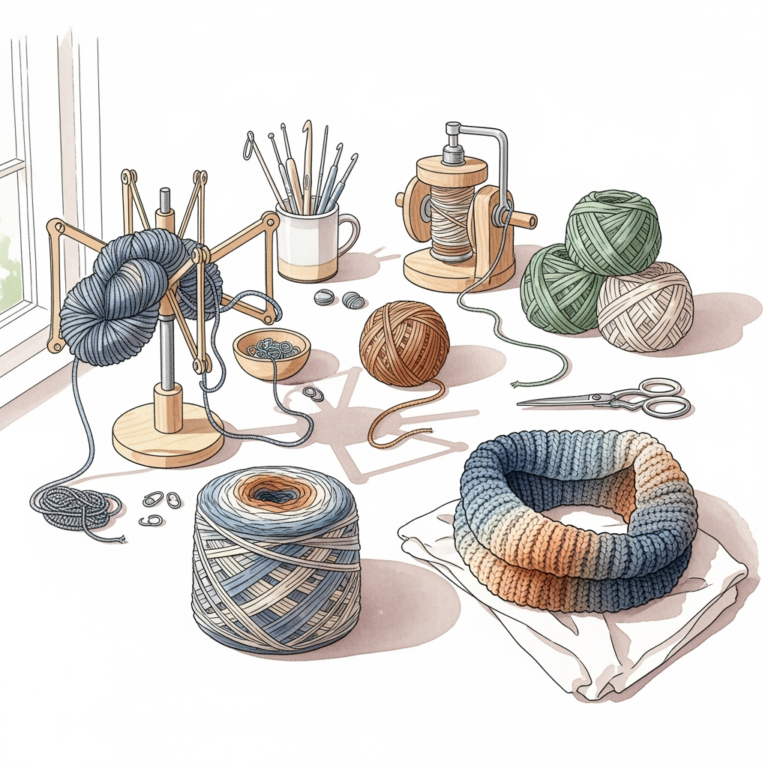
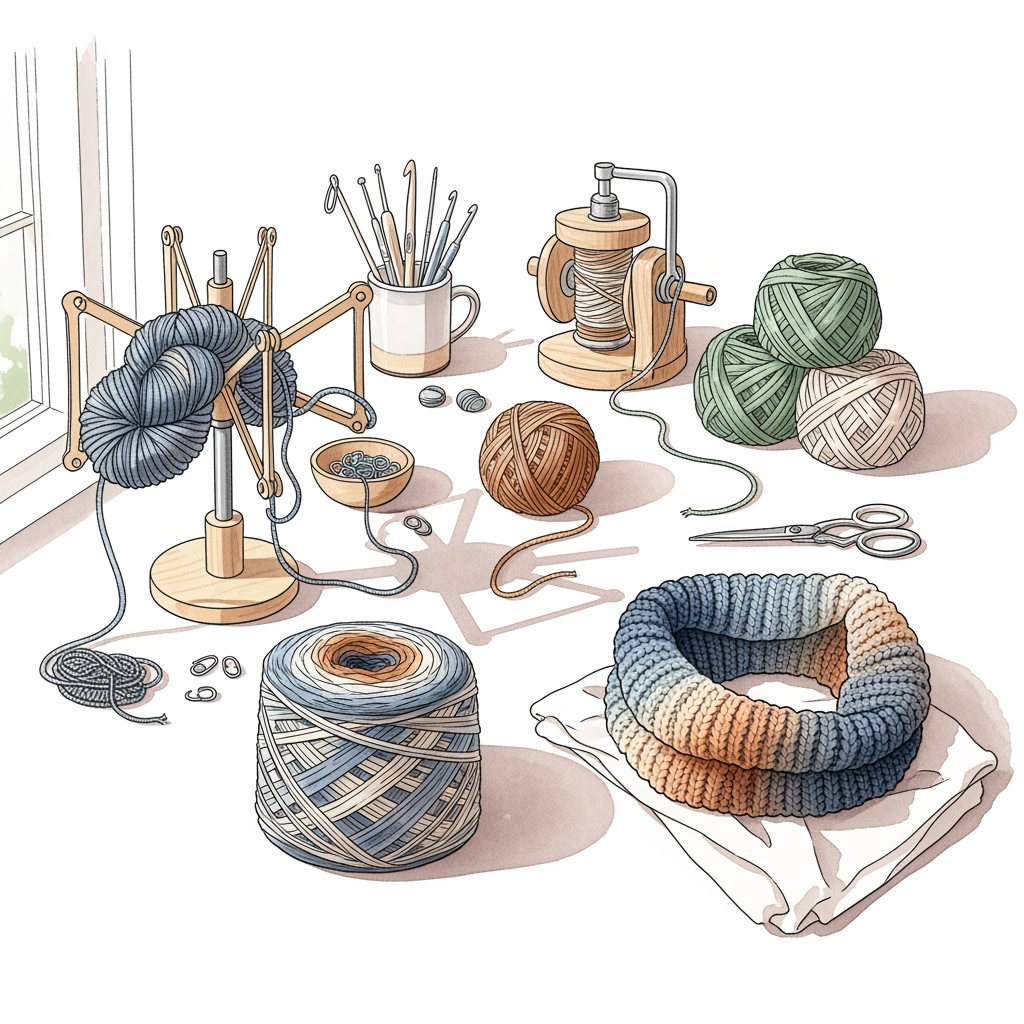
The biggest mistake knitters make with cakes is pulling from the outside. Always pull from the center of the cake to keep it stable; if you pull from the outside, the cake will roll around your floor, pick up dust, and eventually collapse into a tangled mess.
If the center pull is tricky to find, don’t force it. Gently reach in and pull out a small clump, then find the end within that clump to avoid creating a "yarn barf" situation.
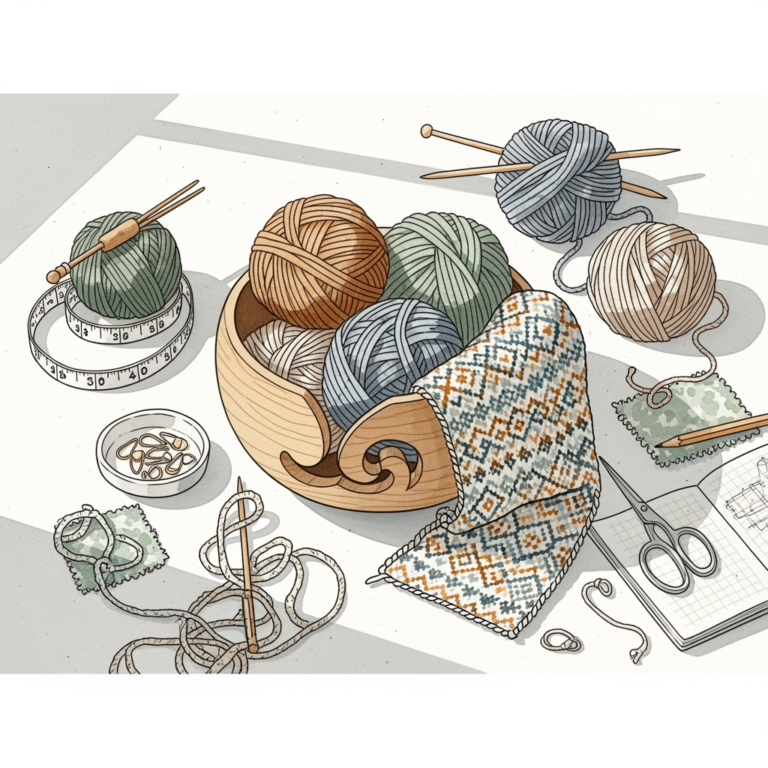
If you are working on a large project, consider using a yarn bowl or a heavy ceramic mug to hold the cake. This keeps the tension consistent and prevents the cake from dancing away while you work.
Bottom line: Treat your yarn cake like a delicate piece of equipment. A stable, contained cake is the secret to a stress-free knitting session.
Fiber Content Matters For Your Colorwork Projects
Fiber choice dictates not just how your project looks, but how it lasts. Wool has memory and elasticity, which helps colorwork stitches stay even, while cotton lacks stretch and will show every single uneven stitch.
- Wool/Acrylic Blends: Best for beginners; they offer the warmth of wool with the durability of synthetics.
- Pure Cotton: Best for summer garments; cool and crisp, but requires tight tension control.
- Silk/Alpaca Blends: Best for luxury drapes; these are slippery and require a bit more experience to manage.
Remember that different fibers have different weights. If you substitute a cotton yarn for a wool yarn in a pattern, your gauge will likely change drastically. Always, always swatch.
Bottom line: Your fiber choice is the foundation of your project. If the fiber doesn’t match the intended use of the garment, no amount of careful knitting will fix the final result.
Tips For Maintaining Tension With Gradient Yarns
Gradient yarns can be tricky because the color transitions often involve a slight change in the "feel" or thickness of the yarn. As you move from one color to the next, your natural tendency might be to tighten or loosen your grip.
Keep your hands relaxed. If you find yourself gripping the needles too hard, stop for five minutes and stretch your wrists; tension in your body translates directly into tension in your stitches.
If you are worried about uneven tension, use a needle with a slightly grippier surface, like bamboo or birch. This provides just enough resistance to help you keep your stitches consistent throughout the color transition.
Bottom line: Tension is a skill, not a talent. Practice your rhythm, keep your posture relaxed, and don’t be afraid to adjust your needle size if your gauge changes mid-project.
Working with gradient yarn cakes is one of the most rewarding ways to add complexity to your knitting without the headache of carrying multiple strands. By choosing the right fiber and respecting the unique construction of the cake, you can create stunning, professional-grade pieces that look far more difficult than they actually are. Remember that your tension and your choice of tools are just as important as the yarn itself. Now, grab your needles, pick your favorite colorway, and enjoy the slow, satisfying reveal of your next project.