7 Best Dehumidifiers For Preventing Mildew In Yarn Stashes
Protect your yarn stash from mold and mildew with our expert guide to the 7 best dehumidifiers. Read our top recommendations and shop the perfect unit today.
Investing in beautiful, ethically sourced wool or hand-dyed silk only to discover the telltale musty scent of mildew is every fiber artist’s worst nightmare. Humidity is the silent enemy of protein fibers, causing moisture to linger in the core of a skein and inviting mold to ruin expensive inventory. While careful storage in bins is a start, climate control is the only way to truly protect a stash that represents hundreds of hours of potential work. Choosing the right dehumidifier turns a damp craft corner into a secure vault for precious fibers.
Pro Breeze Mini: Best for Closet-Sized Stashes
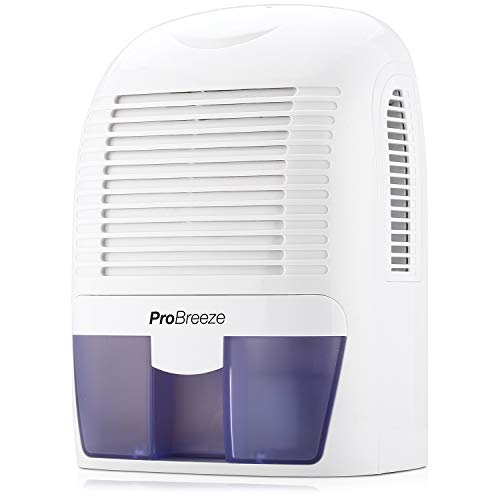

This compact unit is ideal for those keeping a modest stash in a small closet or a dedicated shelving unit. It operates silently, which is a major benefit if the yarn storage shares space with a bedroom or a quiet knitting nook.
Because it relies on thermoelectric cooling rather than a heavy-duty compressor, it excels in tighter, enclosed spaces. It won’t strip the moisture out of an entire basement, but it effectively lowers the humidity inside a small reach-in closet to prevent the ambient dampness that leads to mildew.
The trade-off is capacity; it requires regular emptying of the small water reservoir. If the closet door stays closed most of the time, this unit is a set-it-and-forget-it solution for maintaining a stable environment for your favorite fingering-weight wools.
Midea Cube 20 Pint: Best Smart Dehumidifier

The Midea Cube stands out for its unique, space-saving design that allows the tank to sit either beneath or beside the unit. This makes it an incredibly versatile choice for craft rooms where floor space is at a premium.
Smart functionality allows for remote monitoring via a smartphone app, meaning you can check the humidity levels in the stash room even when traveling for yarn retreats or festivals. For those who invest in luxury fibers like cashmere or alpaca, this peace of mind is invaluable.
The built-in sensors are highly accurate, ensuring the machine only runs when necessary. By maintaining a constant, programmed humidity level, it prevents the drastic fluctuations that can sometimes stress natural fibers.
hOmeLabs 4,500 Sq Ft: For Large Basement Stashes
For the fiber artist with a sprawling collection that occupies an entire basement or a large dedicated studio, a high-capacity unit is mandatory. This model is built to handle significant moisture loads, preventing the “basement smell” from ever touching the yarn.
Basements are notoriously damp, and even a few days of unchecked humidity can lead to mildew on stored yarn. This unit features a continuous drain option, which is a critical feature if the stash room has a nearby floor drain.
By removing moisture at the source, it keeps the air crisp and dry. This prevents the microscopic mold spores that often thrive in subterranean spaces from settling into the deep, twisted plies of heavy wool yarn.
Frigidaire 50 Pint: Best for High Humidity Zones
Living in a humid climate or near the coast introduces significant challenges for stash preservation. This Frigidaire model is a workhorse, designed to pull massive amounts of water from the air, making it the top choice for high-humidity environments.
The energy-efficient design helps mitigate the cost of running a high-output unit year-round. It features a reliable, easy-to-clean filter, which is vital for preventing dust and lint—which are naturally attracted to yarn—from clogging the machine’s intake.
When dealing with large volumes of yarn, including high-twist yarns or delicate hand-dyes, consistency is key. This machine ensures that the humidity never spikes high enough to trigger mildew growth on organic fibers.
Eva-Dry E-333: Top Renewable for Storage Bins

For knitters who prefer organizing their stash in airtight storage bins rather than on open shelves, a desiccant-based solution is perfect. The Eva-Dry E-333 does not require electricity while in use, making it safe to place directly inside a bin with precious mohair or silk blends.
This unit uses silica gel beads to absorb moisture, changing color when they are saturated and ready to be “recharged.” It provides a targeted, localized defense against dampness that a room-sized dehumidifier cannot match.
While it lacks the power to impact a whole room, it is a brilliant safeguard for individual bins. It ensures that even if the external climate shifts, the micro-climate inside the bin remains bone-dry.
Waykar 2000ml: The Quietest for Craft Rooms
Finding a dehumidifier that doesn’t compete with the rhythmic clacking of needles is often a challenge. The Waykar 2000ml operates with a whisper-quiet profile, ensuring the atmosphere of the craft room remains serene and focused.
Despite its quiet operation, it is surprisingly efficient at maintaining the right conditions for sensitive yarn. It is specifically designed to handle mid-sized spaces, making it ideal for a dedicated home office or a secondary bedroom used for knitting.
Because it lacks the loud hum of industrial models, it won’t interrupt the concentration required for complex lace charts or stranded colorwork. It is the perfect balance of performance and subtlety.
SEAVON Small Dehumidifier: Best Budget Option
This unit is a fantastic entry point for the knitter just beginning to curate a serious stash. While it does not have the bells and whistles of high-end models, it provides reliable moisture reduction for small-to-medium hobbyist collections.
Its small footprint allows it to be tucked away on a shelf near the yarn storage. It is remarkably simple to operate, requiring nothing more than a plug-in and a push of a button.
While it won’t handle extreme flood conditions, it is more than sufficient for maintaining optimal fiber health in an average household environment. It represents a low-cost insurance policy for a budding collection of hand-dyed yarns.
What’s the Ideal Humidity for a Yarn Stash?
Protein fibers like wool, alpaca, and silk are hygroscopic, meaning they absorb and release moisture based on their environment. The ideal humidity level for a yarn stash is between 45% and 55%.
If the humidity drops too low, fibers become brittle and prone to breaking during tensioning or winding. Conversely, if it climbs above 60%, the environment becomes a breeding ground for mildew and mold.
Fluctuation is just as dangerous as high humidity. Aim for a consistent range to keep the fiber’s natural elasticity intact, ensuring that when you finally cast on, the yarn behaves exactly as it was spun.
How to Choose the Right Size Dehumidifier
Selecting the right unit is a matter of calculating the square footage and the severity of the moisture issue. A dehumidifier rated for 2,000 square feet is unnecessary for a closet, while a small thermoelectric unit will struggle in a damp, unfinished basement.
Consider the “pint capacity,” which refers to how much water the unit can pull out of the air in 24 hours. For a basement, look for a 50-pint unit; for a small craft room, a 20-pint model is usually sufficient.
Always check if the unit has a “continuous drain” feature. If the stash is kept in a space without a floor drain, ensure the water reservoir is large enough that you won’t need to empty it more than once a day.
Salvaging Yarn After Discovering Mildew
If you discover a skein with a musty odor or visible spots, the first step is to quarantine it immediately. Move the affected yarn away from the rest of the stash to prevent the spread of mold spores.
For non-superwash wool, mild cases can sometimes be salvaged with a thorough soak in a mild, vinegar-based solution followed by a proper, airy drying process. However, any yarn with deep discoloration or active mold growth should be discarded to protect the integrity of the remaining collection.
Prevention is infinitely easier than remediation. Once the environment is stabilized with a dehumidifier, the risk of recurrence drops significantly, allowing the stash to grow safely over the years.
Proper humidity control is not just about equipment; it is a fundamental part of the craft of collecting and preserving yarn. By matching the right dehumidifier to your specific storage needs, you ensure that every skein remains as pristine as the day it was bought. A stable environment protects your financial investment and the integrity of the beautiful projects you have yet to cast on.