6 Best Document Frames For Displaying Finished Lace
Showcase your intricate needlework with our top 6 best document frames for displaying finished lace. Browse our expert recommendations and order yours today.
Finished lace is the culmination of hundreds of hours spent managing tension, counting stitches, and executing complex charts. Once a piece has been meticulously blocked to open up its delicate motifs, leaving it tucked away in a drawer does a disservice to the craft. Proper framing transforms a functional textile into a piece of art that reflects the time and skill invested in its creation. Selecting the right frame requires balancing visibility, protection, and the specific aesthetic needs of the fiber involved.
Umbra Phantom Frame: Best Floating Display


The Umbra Phantom frame provides a sophisticated “floating” effect that allows the negative space within a lace pattern to truly breathe. By suspending the lace between two panes of glass, it eliminates the need for a traditional mat board that might compete with intricate eyelets or cables.
This design excels for projects that have a distinct, scalloped edge or a complex shape that does not fit neatly into a rectangular mat. Because the lace is held firmly between the glass, it remains stationary without the need for adhesive, which is a major advantage for preserving the structural integrity of the fibers.
Consider this option when working with fine, white or ecru lace where the wall color behind the frame becomes part of the display. However, ensure the lace is pinned or blocked to a very flat state beforehand, as any bulkiness in the center of the textile can cause it to slip or create unwanted pressure points against the glass.
Studio Decor Shadow Box: Best for Texture
Shadow boxes offer the depth required to highlight the three-dimensional quality of dimensional lace or pieces with significant bobble work. Unlike standard frames, these provide a generous gap between the glass and the backing, preventing the fiber from being crushed or flattened.
This additional space is vital for lace patterns that utilize raised stitches or heavy yarn weights, such as a thick wool-blend shawl. It allows the natural loft of the fiber to remain visible, capturing the light and shadow across the stitch work in a way that flatter frames cannot achieve.
When choosing a shadow box, prioritize models with a removable pin-board backing. This feature allows for easy attachment using rust-proof pins, ensuring the lace is held securely in place without requiring stitches or glues that could permanently alter the piece.
IKEA RIBBA Frame: Best Budget-Friendly Pick
For those who regularly complete lace projects and want a clean, minimalist way to display them, the IKEA RIBBA frame is a functional, cost-effective standard. It provides a deep profile that keeps the textile away from the glass, preventing the “pressed” look often associated with cheaper, shallower frames.
The neutral aesthetic ensures the frame does not detract from the visual complexity of the lace. It works particularly well for square or rectangular doilies and table runners that require uniform, structured support across their entire surface area.
While this option is highly accessible, the provided backing material may not be archival grade. If displaying a prized, labor-intensive heirloom, consider replacing the included cardboard backer with a piece of acid-free foam core to ensure the longevity of the fibers over time.
Framebridge Custom Frame: Best for Heirlooms
Heirloom lace deserves professional-grade protection that considers the chemical stability of the materials used in the framing process. Framebridge offers custom sizing and archival-quality components, which is essential for preserving historical pieces or complex, long-term knitting projects.
These custom frames allow for precise fitment, ensuring that delicate lace is neither stretched nor bunched during the mounting process. Expert framing minimizes the risk of tension distortion, which can permanently ruin the geometry of a lace pattern if left under stress for years.
Investing in a custom frame is a decision to prioritize the long-term health of the textile. By choosing UV-protected glass and acid-free mats, you effectively neutralize the two greatest threats to antique or delicate lace: light-induced fading and acidic off-gassing from cheap framing materials.
Kiko Glass Frame: Best Double-Sided Option
Kiko frames utilize a hinge-style glass design that creates a minimalist, airy presentation. This is an excellent choice for lace pieces that are aesthetically pleasing on both sides, such as simple yarn-over motifs or projects where the transition between stitches is as clean as the front.
These frames are particularly well-suited for hanging in windows or on hooks where light can pass through the piece. This backlighting effect makes the intricate stitch work stand out, revealing the technical precision of the increases and decreases that define the lace.
Because the lace is held by the pressure of the glass, avoid this for particularly heavy or thick yarns that might shift under their own weight. Stick to fingering or lace-weight fibers to ensure the piece stays centered and does not sag over time.
Gallery Perfect Wall Kit: Best for a Series
Knitting a collection of smaller lace swatches or matching lace ornaments requires a cohesive display strategy. Gallery Perfect kits provide a curated set of frames that create a professional, gallery-style layout on any wall, making it easy to group related projects.
Using a set of matching frames ensures the eye focuses on the unity of the designs rather than the frames themselves. This approach is ideal for displaying a series of blocked squares that illustrate a progression of stitch patterns, from simple garter-based lace to complex, multi-chart motifs.
When arranging these kits, maintain consistent spacing between each frame to create a clean, organized look. If the lace pieces vary slightly in size, use the provided templates to ensure the visual weight remains balanced across the entire wall display.
How to Mount Your Lace for Flawless Framing
The most critical step in framing lace is the mounting, which must be done without damaging the fibers. Never use liquid adhesives or hot glue, as these are irreversible and will eventually cause yellowing or brittleness in the yarn.
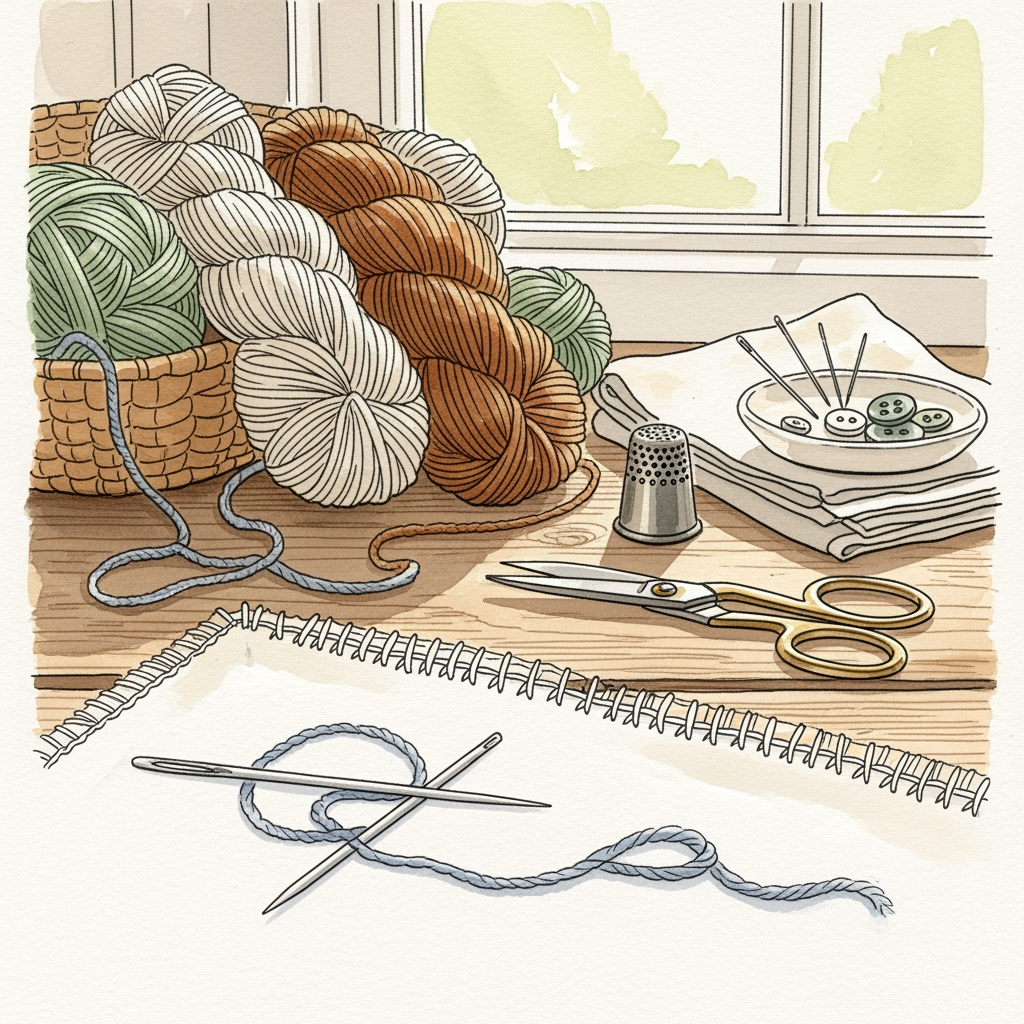
The preferred method involves “blocking” the lace onto a piece of acid-free, archival foam core. Use stainless steel, rust-proof T-pins to gently tension the lace into its desired shape, then secure it using a “t-pin and thread” method, where fine cotton thread is laced through the edge stitches and tied off behind the board.
For pieces with delicate, scalloped edges, you may gently steam the edges while pinned to the board to ensure they stay perfectly in place before inserting the piece into the frame. Once mounted, check for any stray loose ends or tails, tucking them neatly behind the piece to ensure a clean display.
Choosing a Backing Color to Make Lace Pop
The background color should serve the lace, not compete with it. A neutral, high-contrast backing is usually the safest choice to ensure the stitch definitions are clearly visible.
- Dark Backing: Use black or deep navy behind white or light-colored lace to make the “holes” of the lace motifs appear crisp and dramatic.
- Light Backing: Use cream or light grey for darker, moody yarn colors to ensure the structure of the lace remains distinguishable from the background.
- Natural Linen: For rustic or earthy fibers, a raw linen backing provides a soft, organic texture that complements the handmade nature of the project.
Avoid patterned or busy backings, as they will create visual noise and make it difficult for the viewer to appreciate the delicate nuances of the knitting. The goal is to provide a blank canvas that highlights the yarn’s own texture and geometry.
Archival Materials: Preserving Your Heirlooms
Fiber arts are susceptible to environmental damage, specifically from light, heat, and acidic materials. When framing a piece intended to last for decades, every component must be chosen with preservation in mind.
Ensure the glass is UV-filtering, which protects the yarn from fading, especially if the lace is made from natural fibers like cotton, linen, or wool. The mat board and backing must be acid-free, often labeled as “conservation grade” or “archival,” to prevent the fibers from yellowing or degrading through chemical reaction.
If you are unsure about the materials, consult with a professional framer who specializes in textiles. They can provide guidance on mounting systems that allow the fabric to “breathe,” which is crucial for preventing mold or mildew in humid climates.
Shadow Box vs. Floating Frame: What to Choose
The choice between a shadow box and a floating frame often comes down to the intended “vibe” of the display. Floating frames are modern, sleek, and minimalist, ideal for showing off a single, clean lace motif that feels light and airy.
Shadow boxes are inherently more traditional and functional, designed to protect the piece while emphasizing its depth and material weight. If the lace has prominent texture, bobbles, or requires a physical buffer to keep it away from the glass, the shadow box is the only logical choice.
Ultimately, consider the environment where the piece will hang. In a bright, sun-drenched room, a deeper shadow box with UV glass is superior for long-term protection, whereas a floating frame is perfect for a controlled, indoor space where the focus is strictly on the artistic lines of the pattern.
Properly framing lace honors the meticulous effort required to finish a project, effectively transitioning it from a discarded sample to a cherished piece of decor. By focusing on archival stability and thoughtful presentation, you ensure that the complex work of your needles remains a source of pride for years to come.