6 Best Notebook Journals For Documenting Color Sequences
Discover the top six journals for tracking color sequences. This guide evaluates paper quality and layout to help you organize your creative palettes easily.
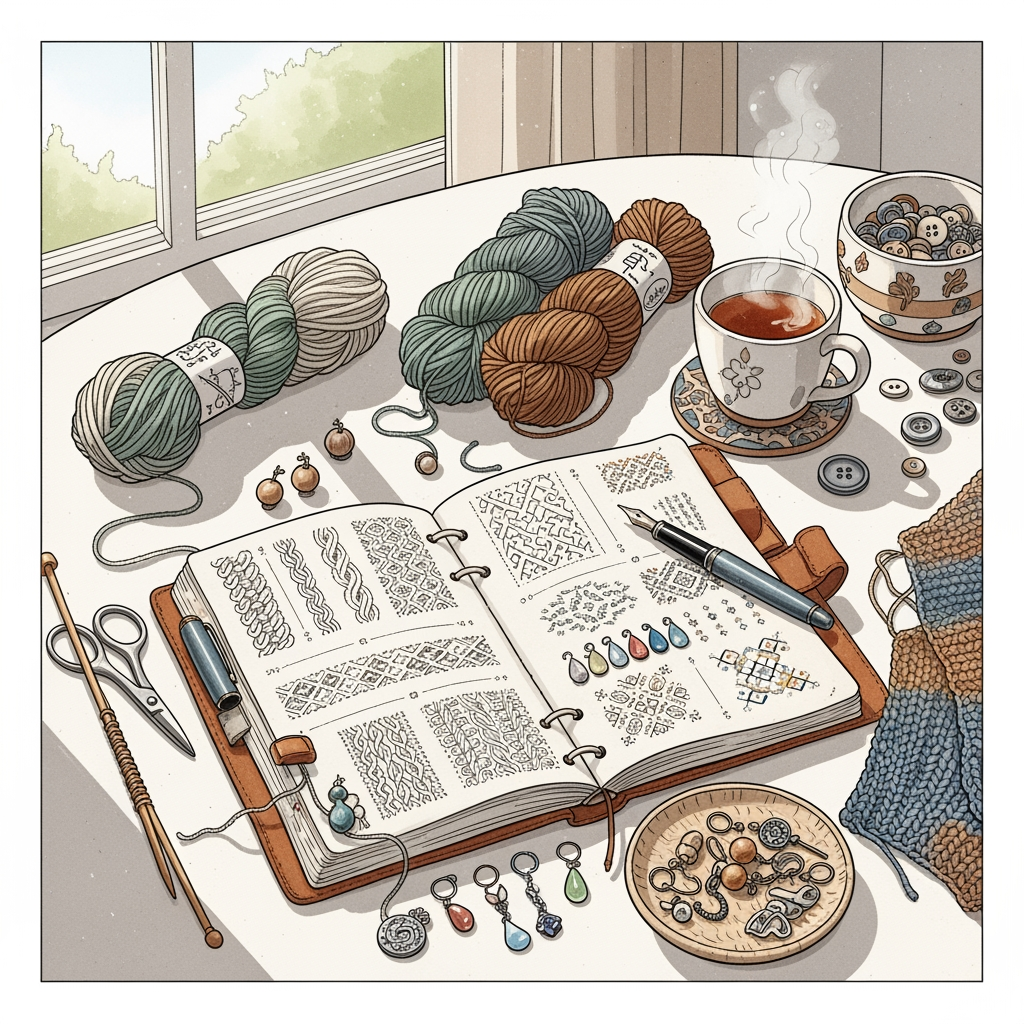
Documenting color sequences is the secret bridge between a chaotic yarn stash and a cohesive, professional-looking garment. Whether you are planning a complex Fair Isle yoke or a simple striped sock, keeping a record of your color choices prevents the "yarn regret" that occurs when colors clash after hours of knitting. These six journals provide the structure necessary to transform your creative impulses into a reliable, repeatable design process. By choosing the right paper and format, you ensure your color notes remain a permanent part of your knitting library.
Leuchtturm1917 Dotted Journal: Best Overall Pick
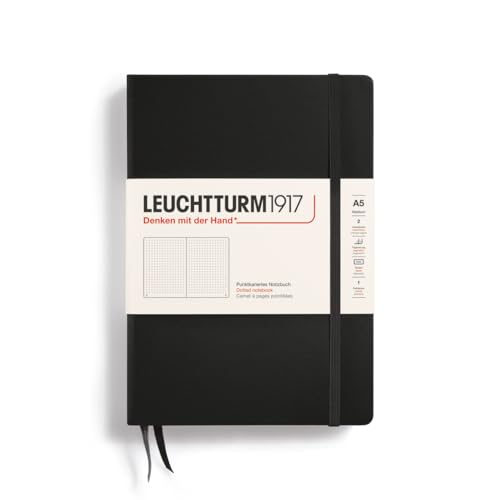

The Leuchtturm1917 is the industry standard for a reason: it balances archival quality with a layout that feels intuitive for color-mapping. The dotted grid is subtle enough to allow for freehand drawing of stranded motifs while providing just enough structure to keep your row counts aligned.
Its numbered pages and index are a lifesaver when you need to reference a specific color sequence from a project you finished six months ago. You won’t have to flip through every page to find that one perfect blue-and-gold combination you used for a winter hat.
The paper quality is consistent, though it can ghost slightly if you use heavy markers for your swatches. If you are a knitter who likes to tape actual yarn snippets into your journal, the binding holds up well even as the book thickens.
Moleskine Classic Notebook: Best for Portability

If you are the type of knitter who keeps a project in your bag at all times, the Moleskine Classic is your best companion. Its slim profile slips easily into a project tote, making it perfect for documenting color ideas while waiting for the bus or sitting in a coffee shop.
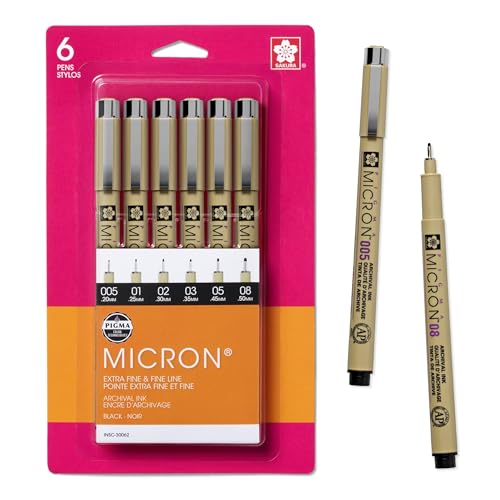
The paper is thinner than most, which is a trade-off for its lightweight feel. I recommend using pencils or fine-liner pens for your notes to avoid bleed-through, especially if you are mapping out intricate color charts.
Because of its compact size, it is ideal for dedicated single-project tracking. Use one notebook per major colorwork sweater to keep your tension notes, yarn yardage, and color sequences in one portable place.
Rhodia Goalbook: Best for Color Swatch Testing

The Rhodia Goalbook features remarkably high-quality paper that handles fountain pen ink and markers with zero feathering. For a knitter, this means you can create detailed, high-contrast color swatches on the page without the ink spreading into your handwritten notes.
The paper’s smooth texture makes it a joy to draw on, and it stands up well to the moisture of wet-gluing yarn snippets. If you are testing how a variegated yarn plays against a solid base, this paper won’t buckle or warp.

The layout includes undated monthly and weekly spreads, which are surprisingly useful for tracking project deadlines. It is an excellent choice for the knitter who treats their journal as both a creative studio and a project management tool.
Hobonichi Techo: Best for Detailed Project Notes
The Hobonichi uses Tomoe River paper, which is incredibly thin yet impossibly strong. This allows you to pack an entire year’s worth of project notes, color sequences, and modifications into a single, surprisingly light volume.
The grid layout is small and precise, perfect for drawing out complex colorwork repeats stitch-by-stitch. You can fit a significant amount of data into a small space, which is ideal for documenting long-term projects like an heirloom-quality blanket.
Be aware that the thin paper requires a light touch with markers. However, the trade-off is the ability to keep years of knitting history in a compact, organized archive that won’t clutter your workspace.
Archer & Olive Dot Grid: Best for Thick Paper
If you love using watercolors or heavy-duty markers to visualize your color palettes, the Archer & Olive notebook is unmatched. The 160gsm paper is thick enough to handle almost any medium without a hint of ghosting or bleeding.
This is the journal for the knitter who wants to create "art" in their pages. You can paint your color swatches directly onto the paper, allowing you to see exactly how colors interact before you ever buy the yarn.
The trade-off is that the book gets quite bulky once you start adding yarn samples and swatches. It is less of a "tote-around" book and more of a "desk-based" planning station for your most ambitious projects.
Midori MD Notebook: Best for Minimalist Knitters
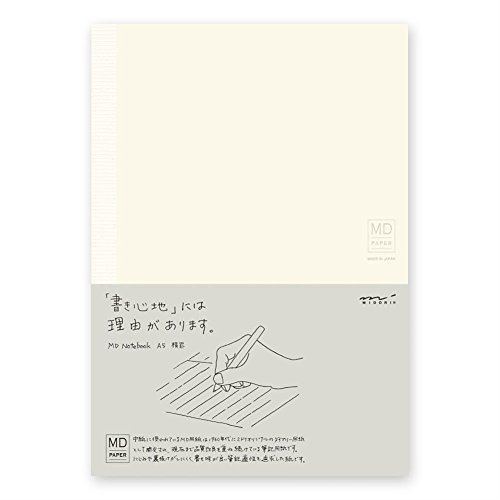
The Midori MD is for the knitter who wants the notebook to disappear so the work can shine. It features a simple, cream-colored paper that is gentle on the eyes and provides a beautiful, neutral background for your yarn color notes.
The lay-flat binding is a significant advantage when you are trying to hold a needle in one hand and a pen in the other. It stays open on your table, allowing you to check your color sequence without having to wrestle with the spine.
Because the design is so minimalist, you are free to customize the pages however you like. It is a blank canvas that doesn’t force a specific organizational style upon you, making it perfect for knitters who prefer a bespoke approach to record-keeping.
Why Documentation Matters for Color Sequences
Color is subjective, but its behavior in yarn is predictable if you track it. When you document your sequences, you create a reference library that helps you understand how different fiber contents—like the halo of mohair versus the crispness of superwash wool—affect color perception.
Without documentation, you are doomed to repeat the same mistakes. If a specific color combination looked muddy in your last project, your notes will remind you to adjust the contrast next time.
Ultimately, documentation turns a hobby into a craft. It allows you to build a personal design language, ensuring that your future color choices are informed by your past successes and failures.
Essential Features for Knitting Project Journals
When choosing a journal, prioritize paper quality and binding. You need paper that won’t bleed when you use markers to denote color codes, and a binding that allows the book to lie flat while you are working.
- Dot Grid Layout: Superior to lines for drawing stitch patterns and color charts.
- Archival Paper: Ensures your color notes don’t yellow or fade over time.
- Portable Size: A5 is generally the sweet spot between writing space and bag-friendliness.
- Elastic Closure: Keeps your yarn snippets and loose swatches secure inside.
Don’t ignore the importance of a page index. Being able to flip directly to your "Blue/Grey Palette" notes saves you from wasting time searching through finished projects.
How to Organize Your Yarn Stash and Swatches
Organize your notes by project rather than by yarn type. Start each entry with the yarn brand, colorway, and dye lot, then attach a small snippet of the yarn directly to the page.
Use a "WPI" (wraps per inch) note to record the thickness of the yarn. This is essential if you are mixing different brands, as it helps you predict if the colors will sit well together in a stranded colorwork pattern.
Always note the needle size used for the swatch. A color sequence that looks balanced on 3.5mm needles might look completely different when knitted at a looser gauge on 4.0mm needles.
Tips for Tracking Complex Colorwork Projects
When working on complex colorwork, use the journal to map out your "float" management. If you are carrying a color for more than three stitches, note how you intend to trap the float to keep the tension even.
Break your color sequences into small, manageable blocks. Instead of trying to track a 50-row repeat, track it in 10-row segments to catch errors early.
Finally, keep a "correction log." If you find yourself needing to drop a color or adjust a repeat, write it down immediately. Your future self—who might want to knit that same pattern again—will thank you for the clarity.
Investing time in a dedicated journal will fundamentally change the way you approach your fiber arts practice. By documenting your color sequences, you move from simply following patterns to truly understanding the mechanics of design. Whether you choose the rugged reliability of a Leuchtturm1917 or the artistic freedom of an Archer & Olive, your future self will appreciate the effort. Happy knitting, and may your colors always harmonize perfectly.