6 Best Sheet Protectors For Kitchen-Side Knitting
Keep your patterns clean and legible with our top 6 best sheet protectors for kitchen-side knitting. Choose the perfect durable covers for your projects today.
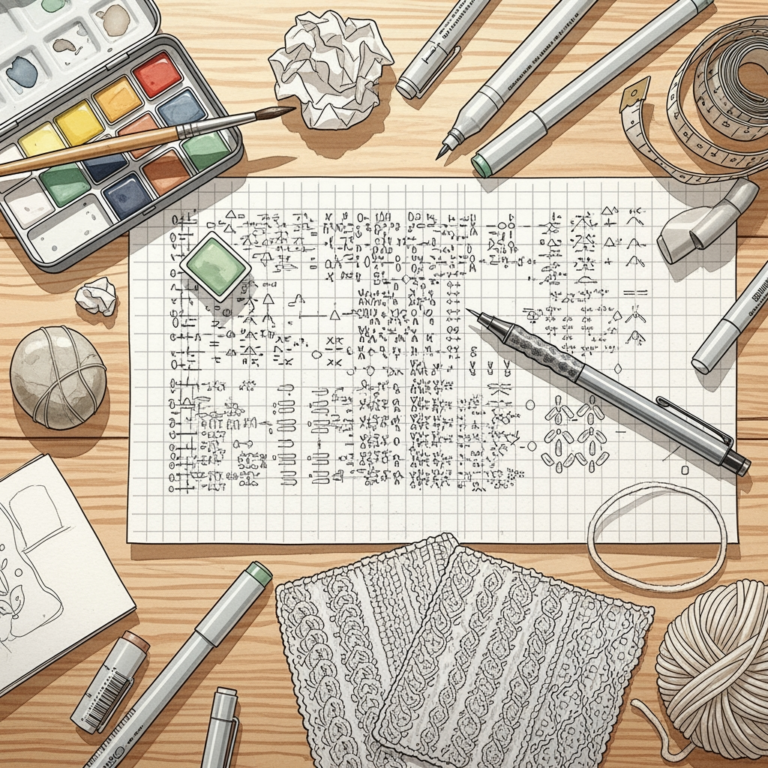
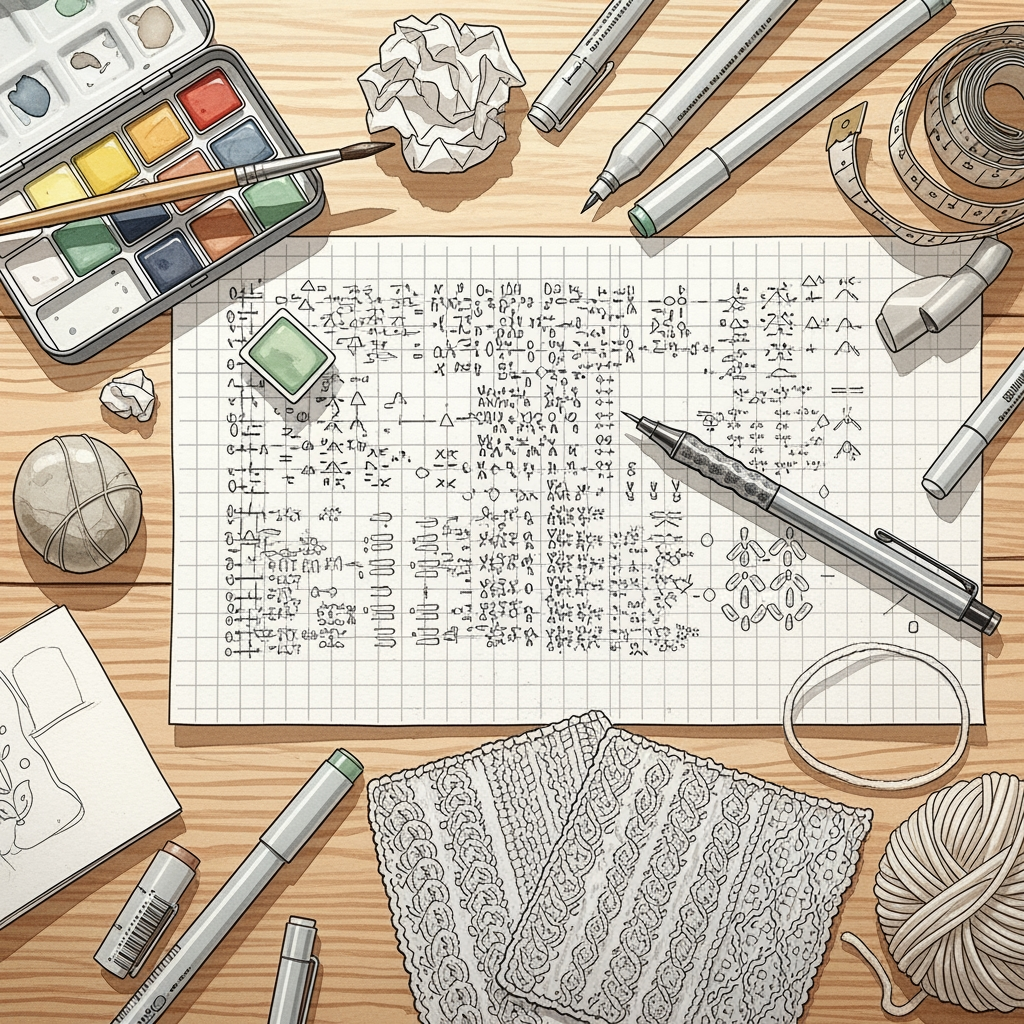
Kitchen-side knitting is a high-stakes environment where steaming mugs, accidental spills, and rogue crumbs threaten precious lace charts and pattern notes. Keeping instructions pristine requires more than just paper; it demands a durable, protective barrier that withstands the chaos of a busy household. A quality sheet protector acts as a shield against the humidity of boiling water and the inevitable splatters that occur while working on a project between meals. Selecting the right one ensures that every row of a complex cable pattern remains legible, regardless of the kitchen activity swirling nearby.
Avery Diamond Clear: Best for Crisp Chart Reading


The Avery Diamond Clear protector earns its reputation through superior optical clarity. When working with fine-gauge projects, such as stranded colorwork or intricate cables, even a slight haze on a sheet protector can make it difficult to distinguish between small symbols on a chart.
This clarity is vital for deciphering low-contrast patterns or when relying on tiny font sizes for row-by-row instructions. Because these are exceptionally transparent, there is no need to remove the pattern to verify a specific stitch definition.
The tradeoff here is the slick, high-gloss surface, which can attract fingerprints and catch overhead kitchen lighting. However, for the knitter who values visual precision above all else, this minor inconvenience is a small price to pay for a sharp, unobstructed view of the pattern.
C-Line Super Heavyweight: Best for Reducing Glare

Kitchen lighting is rarely optimized for focused craft work, often featuring bright overhead LEDs that bounce off glossy surfaces. The C-Line Super Heavyweight protector utilizes a non-glare, matte finish to diffuse this light, making it a favorite for those who knit under harsh kitchen fixtures.
Beyond light management, the heavyweight plastic provides a satisfying, rigid feel that keeps pattern sheets from flopping over while propped up on a counter. This added structure is a significant advantage when juggling multiple tools, like stitch markers, scissors, and a tapestry needle, in a confined workspace.
While the matte finish does slightly soften the crispness of printed text, it is rarely an issue for standard pattern notations. If the primary goal is to avoid eye strain during long knitting sessions, prioritizing a low-glare surface is a wise move.
Samsill Speedy-Load: Easiest for Quick Pattern Swaps
The Samsill Speedy-Load features a unique, angled top opening that eliminates the struggle of sliding a paper into a tight plastic sleeve. For the knitter who constantly toggles between different projects or keeps a rotating stack of charts, this efficiency saves significant frustration.
Because these are designed for speed, they are perfect for storing “in-progress” notes alongside finished patterns. When moving from a lace weight shawl to a heavy wool cardigan, the ease of swapping out the current working page becomes a massive time-saver.
These protectors are usually mid-weight, striking a balance between being flexible enough to fold easily and rigid enough to offer basic splash protection. They are the ideal choice for the organized knitter who keeps a centralized binder on the kitchen island.
Storex Poly Zip Folder: The Ultimate Spill-Proof Pick
For the knitter who frequently works near open liquids or messy kitchen prep, a standard open-top sleeve may not suffice. The Storex Poly Zip Folder functions as a fully sealable pouch, providing an airtight barrier against steam, flour dust, and accidental beverage spills.
This is the only truly secure option for protecting heirloom patterns or expensive printed books from kitchen hazards. The zip-closure design ensures that even if the folder is knocked off the counter into a puddle, the contents remain completely dry.
The bulk of a zipper mechanism is a slight downside, as it makes the folder less “foldable” than a standard sleeve. However, for long-term project storage where pattern integrity is the highest priority, the peace of mind offered by a secure seal is unmatched.
Amazon Basics Heavy Duty: The Best Budget-Friendly Buy
Amazon Basics Heavy Duty protectors offer an accessible solution for knitters who want to outfit an entire library of patterns without a significant investment. They are robust enough to withstand daily handling, featuring reinforced edges that resist tearing when flipped through a binder.
While they may lack the specialized, ultra-clear or anti-glare coatings of premium brands, they perform reliably in basic kitchen settings. They represent a functional, no-nonsense choice for the knitter who views their patterns as workhorses rather than decorative items.
Their primary advantage is consistency; they provide a standard, reliable protective layer that keeps charts legible and clean. For the budget-conscious maker, stocking up on these allows for more funds to be directed toward high-quality yarn and needles.
Cardinal ProVue Non-Glare: Best for Intricate Lace
Cardinal ProVue protectors are specifically designed for professional environments, which translates well to the demands of complex lace knitting. The non-glare finish is exceptionally consistent, ensuring that no matter the angle of the light, the symbols for yarn-overs and decreases remain visible.
These protectors are known for their archival-safe, non-stick polypropylene, which means the ink from your pattern won’t transfer onto the plastic over time. For projects that take months or even years to complete, this prevents the frustration of “ghosting” or stuck pages.
The thickness of the plastic provides a sturdy backbone, making these excellent for propping up against a kitchen backsplash or a heavy mixing bowl. They are a premium choice for the knitter who views their craft as a long-term commitment.
How to Choose the Right Sheet Protector for Knitting
- Project Complexity: Choose high-clarity sleeves for intricate charts; choose non-glare sleeves for long-term projects to minimize eye strain.
- Environment: If your workspace is prone to liquid spills or flour, opt for a sealed zip-folder rather than an open sleeve.
- Binder Interaction: Consider the weight of the plastic; heavy-duty sheets are better for binders that get flipped through daily, while lighter options save space in smaller project bags.
- Archival Needs: Always check for “acid-free” or “archival safe” labels to ensure that your printed patterns stay clean and legible for years to come.
Glare vs. Clear: Which Finish is Best For You?
The decision between clear and non-glare is entirely dependent on your lighting and visual needs. Clear protectors offer superior sharpness and contrast, making them the superior choice for high-detail, small-font charts or intricate graphs.
Conversely, non-glare finishes are essential if your kitchen features harsh, overhead lighting that creates “hot spots” on the page. These matte finishes diffuse the light, preventing glare from washing out the details of your knitting pattern.
Consider the physical space: a well-lit desk lamp allows for a clear finish, while a bright, open kitchen with windows or intense recessed lighting often necessitates a non-glare protector to maintain visual comfort.
Using Protectors With a Magnetic Chart Keeper
Many knitters use a magnetic board to track progress, placing their pattern inside a sheet protector to avoid marking the actual paper. This works exceptionally well if the sheet protector is lightweight, as magnets can easily hold the plastic and the paper to the board.
Avoid using excessively thick, heavy-duty sleeves on magnetic boards, as the weight can cause the assembly to slide or fall under the strain of the magnets. If you prefer a heavy-duty protector, ensure the magnets are strong enough to compensate for the additional thickness.
Test the combination by placing the protector on the board before you begin your project to ensure the magnets provide a firm, reliable grip. This setup is the gold standard for avoiding “lost row” syndrome while working in a busy household.
How to Safely Clean Your Kitchen-Side Protectors
Kitchen-side protectors are prone to accumulating a thin film of grease or kitchen debris over time. To clean them, use a dry, soft microfiber cloth to gently buff away fingerprints or dust; avoid using harsh chemical cleaners, as these can cloud or crack the plastic.
If a more thorough cleaning is necessary, use a slightly damp cloth with a tiny drop of mild dish soap, followed by a quick wipe with a dry cloth to prevent water spots. Ensure the protector is completely dry before re-inserting your pattern to prevent moisture damage or mold growth.
Never soak a protector in water, especially if the edges have been heat-sealed, as water can become trapped inside the seams. Proper maintenance ensures that your patterns stay as vibrant and legible as they were on the day they were printed.
By choosing the right sheet protector, you effectively eliminate the risks that the kitchen environment poses to your hard work. Whether you prioritize absolute clarity for your lace charts or spill-proof security for your bulky sweater patterns, there is a protective solution that will keep your knitting flow uninterrupted and your charts safe from the kitchen chaos.