6 Book Repair Tapes For Torn Pages That Last
Restore your favorite stories with these 6 durable book repair tapes for torn pages. Choose the best archival-safe options and preserve your library today.
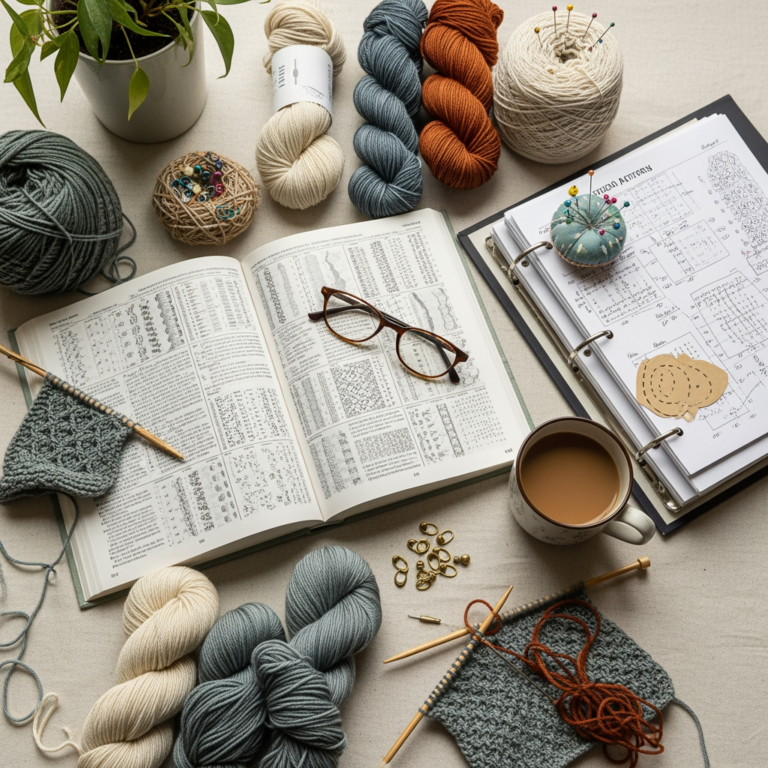
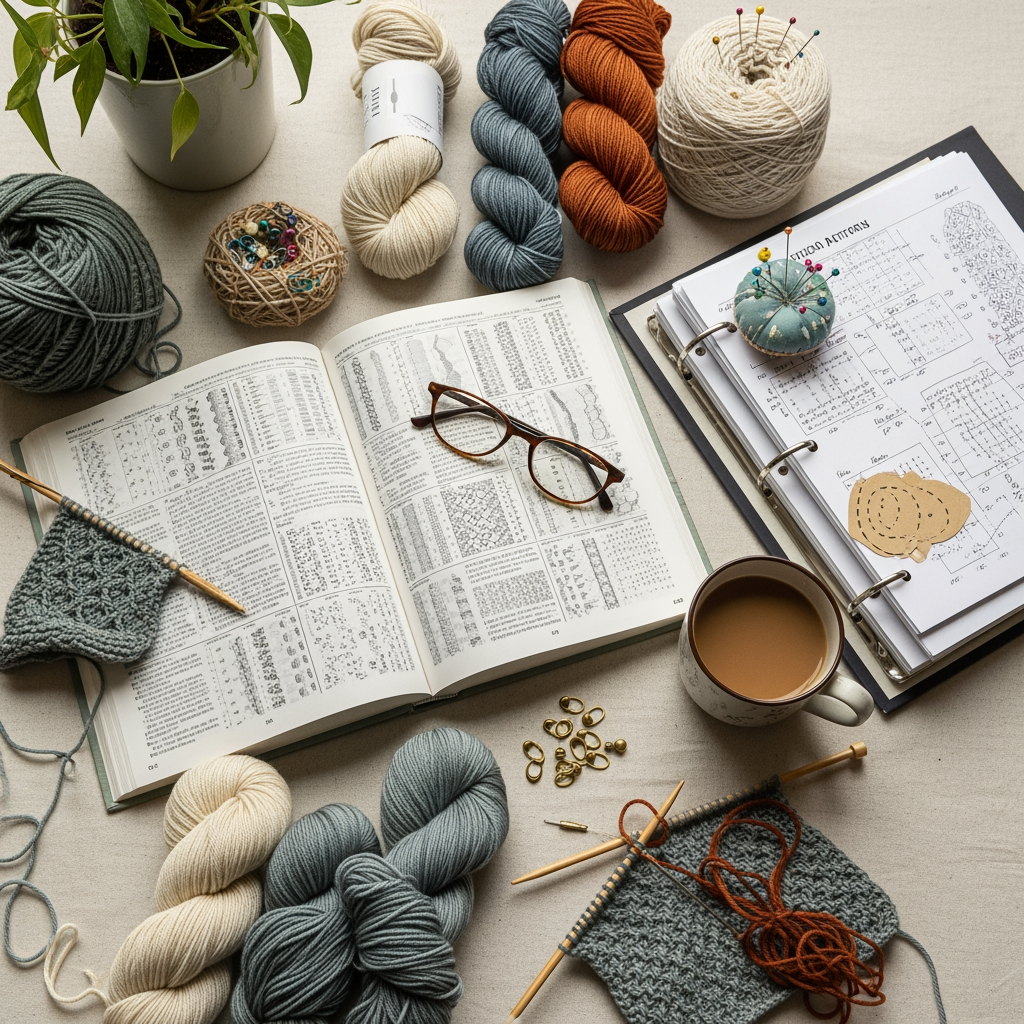
Vintage knitting pattern books are often the most cherished items in a maker’s library, carrying the weight of decades of project notes and swatched memories. When a beloved lace shawl pattern or a complex fair-isle chart begins to fray, the integrity of the entire design is at risk. Proper mending preserves these documents for future generations, preventing the loss of instructions that might otherwise be impossible to replace. Selecting the right repair tape ensures that these pages remain functional without succumbing to the yellowing or brittleness caused by inferior adhesives.
Lineco Document Repair Tape: Best Overall


Lineco Document Repair Tape is the gold standard for mending paper tears in knitting pattern books. It is constructed from a lightweight, acid-free archival tissue that remains flexible over time, preventing the “stiff spine” effect that can crack paper.
When fixing a page containing a delicate lace chart, this tape allows the paper to flex naturally. It blends seamlessly with the page texture, ensuring that markers or handwritten notes remain legible.
The adhesive is water-activated or pressure-sensitive, depending on the specific version, and it will not yellow or become gummy. It is the reliable choice for the casual pattern collector who needs a versatile, long-term solution.
Filmoplast P 90 Tape: The Archivist’s Choice
Filmoplast P 90 is a self-adhesive, acid-free mending tape that is favored for its long-term stability and strength. It features a slightly opaque finish, which is excellent for reinforcing the folds of pattern booklets that have seen significant handling.
This tape is perfect for stabilizing the hinge of a pattern pamphlet that has become detached from its cover. Because it is buffered to resist acidic migration, it prevents the darkening of paper edges commonly seen with standard office tape.
It offers a high level of tensile strength without adding excessive bulk to the document. If a knitting pattern has been folded and unfolded countless times, this tape provides the structural reinforcement necessary to stop the fiber of the paper from failing further.
BookGuard Cloth Tape: Ideal for Spine Repair
BookGuard Cloth Tape is designed for heavy-duty reinforcement, particularly along the outer spine of thick, hardbound pattern collections. Its woven cloth composition provides the durability required to withstand the physical stress of opening and closing a heavy volume.
If a favorite knitting encyclopedia has developed a split at the hinge, this tape acts as an exterior ligament. It is thicker than paper tapes, so it should be reserved for structural repairs rather than internal page mending.
Available in various colors, it can be matched to the aesthetic of the original binding. Using this tape avoids the “homemade” look, keeping the library shelf organized and professional.
Scotch 845 Book Tape: Heavy-Duty Option
Scotch 845 is the go-to for protecting high-traffic pattern booklets that are consulted daily. It is a clear, aggressive adhesive tape that is significantly thicker than standard mending tissue, making it ideal for shielding covers or wrapping around worn edges.
Because it is quite sticky and permanent, it is not recommended for delicate, thin pages where repositioning might be necessary. Instead, use it on the outer edges of pattern covers or to reinforce the inner fold of a heavily used booklet.
It dries crystal clear, ensuring that the title or pattern details remain fully visible beneath the repair. This is the heavy-duty workhorse for the knitter whose books live on the project table rather than behind glass.
Filmoplast P Tape: The Most Invisible Repair
Filmoplast P is an ultra-thin, transparent repair tape that excels at fixing tears in delicate, lightweight pattern pages. It is so thin that once applied, the mend becomes nearly invisible to the naked eye.
Its adhesive is exceptionally gentle, making it safe for older, more brittle papers that might tear further if a stronger, more aggressive tape were used. This is the choice for archival-grade work where aesthetics and discretion are the primary concerns.
While it lacks the heavy structural support of cloth tapes, it is unrivaled for mending a clean rip in a schematic page. It preserves the readability of fine lines and intricate symbols, which are vital when interpreting complex knitting charts.
Brodart Mending Tape: Library-Grade Results
Brodart is a name synonymous with library maintenance, and their mending tape reflects that standard of professional preservation. It is designed to be repositionable upon initial application, which is a massive advantage when aligning a jagged tear.
Once set, it forms a permanent bond that resists heat and light-induced aging. It is a balanced choice that sits comfortably between the extreme thinness of Filmoplast and the structural weight of cloth tapes.
Use this for general mending of patterns that aren’t quite fragile enough for archival tissue but require more finesse than standard clear tape. It provides a clean, professional finish that keeps pattern collections looking crisp and orderly.
Choosing Your Tape: Page Tear vs. Spine Repair
The primary rule of document repair is to match the tape weight to the severity of the damage. A small, clean rip on a standard weight pattern page requires a lightweight, transparent tape like Filmoplast P.
Conversely, a spine that is actively pulling away from the signatures needs the mechanical strength of a cloth tape. Using clear office tape on a spine will almost always result in failure, as it lacks the tensile strength to hold the weight of the pages.
Always consider the flexibility required for the document. A tape that is too stiff will cause the page to rip again at the edge of the repair, creating a cycle of damage that is difficult to reverse.
What Does “Archival-Quality” Actually Mean?
“Archival-quality” implies that the material will not degrade, yellow, or become acidic over time, thereby protecting the paper it touches. Standard office tapes contain adhesives that eventually turn into a sticky, brown, acidic mess that consumes the paper it is supposed to hold.
When mending knitting patterns, acid-free is non-negotiable. Many pattern booklets are printed on lower-quality paper that is already susceptible to aging; acidic tape accelerates this process exponentially.
An archival repair is meant to be permanent and stable. It ensures that 20 years from now, the notes and charts are still as clear and usable as the day they were first purchased.
How to Apply Repair Tape Without Making a Mess
Start by ensuring the torn edges are aligned as perfectly as possible before applying any adhesive. Use a bone folder or the back of a smooth spoon to burnish the tape, ensuring it adheres evenly without trapped air bubbles.
If the tape is wider than necessary, trim it with a sharp craft knife after application rather than attempting to cut it to size beforehand. This results in a cleaner edge that is less likely to lift over time.
Work in a well-lit area and use tweezers to handle the tape if the tear is small. Precision is key; the goal is to repair the document, not to leave a fingerprint or smudge on the surface of the paper.
What to Avoid When Mending Your Pattern Books
Avoid standard clear office tape at all costs. It will eventually yellow, shrink, and leave a permanent, sticky residue that ruins the paper fibers, making future professional repairs nearly impossible.
Do not over-repair; only apply tape where there is an active tear or structural weakness. Adding unnecessary tape across perfectly sound pages can interfere with how the book lies open, creating new stress points.
Never use masking tape, duct tape, or electrical tape on documents. These products are designed for temporary industrial use and contain harsh adhesives that are entirely inappropriate for paper preservation.
A well-mended pattern book is a testament to the longevity of the craft and the value of the knowledge held within its pages. By choosing the correct archival materials and applying them with care, these essential resources will remain part of a knitter’s toolkit for a lifetime. Treat these books with the same attention to detail that is applied to the finest hand-knitted garment, and they will continue to serve as a reliable foundation for many creative endeavors.