
6 Best Carding Brushes For Texture Creation Reviewed
Discover the top 6 carding brushes for achieving perfect fiber texture. Our expert review compares durability and precision to help you refine your craft.
Mastering your own fiber preparation is the ultimate secret to creating yarn that elevates your knitting projects from store-bought quality to artisanal excellence. Whether you are blending luxury fibers for a delicate lace shawl or carding rustic wool for a durable sweater, the right set of hand carders is your most essential tool. This guide explores the top carding brushes on the market to help you achieve the perfect texture and loft. By understanding the mechanics of these tools, you can ensure your hand-spun yarn has the exact drape and stitch definition you desire.
Strauch Petite Hand Carders: Best All-Rounder
If you find yourself frequently switching between fine alpaca and medium-staple wool, these carders are the workhorse you need. Their smaller size makes them incredibly maneuverable, reducing wrist fatigue during long blending sessions.
The ergonomic handle design allows for a natural grip, which is vital when you are processing enough fiber for a full-sized garment. They strike a perfect balance, offering enough surface area to build a substantial batt without feeling cumbersome or heavy.
The bottom line: These are the best choice for the knitter who wants one versatile tool to handle 80% of their fiber stash. They are forgiving enough for beginners but precise enough to satisfy an experienced spinner.
Howard Brush Co. Mini Carders: Top Precision
When you are working with high-end, finicky fibers like cashmere or angora, you need a tool that handles delicate staples with extreme care. These mini carders excel at controlled blending, preventing the fiber breakage that often occurs with larger, more aggressive brushes.
The extra-fine wire teeth are designed for high-density settings, allowing you to tease apart fibers without creating "neps" or knots. This precision is essential for achieving that airy, lofty quality that makes a hand-knit sweater feel like a cloud.
If you are a fan of intricate colorwork and need to blend small amounts of dyed roving into custom gradients, these are your best friend. They offer a level of control that larger carders simply cannot match.
Ashford Fine Cotton Carders: Best for Blending
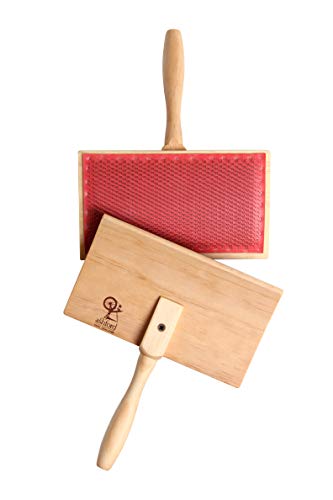

Don’t let the name fool you; while these are designed for cotton, they are an absolute powerhouse for blending synthetic fibers or fine silks into your wool. The high TPI (teeth per inch) count ensures that even the most stubborn, slick fibers are fully integrated.
The tightly spaced wire configuration acts like a fine-toothed comb, ensuring that your color gradients are smooth and streak-free. This is critical when you are planning a project where color transitions need to be subtle rather than abrupt.
If you are experimenting with blending "exotic" fibers into your wool for added sheen or strength, these carders are the industry standard. They ensure your final yarn has a consistent twist and texture throughout the entire skein.
Schacht Coarse Wool Carders: Best for Batts

When you’re preparing a sturdy, rustic wool for a hard-wearing gansey or a thick winter coat, you don’t want fine teeth that get clogged. These coarse carders are designed to move large volumes of fiber quickly and efficiently.
The wider spacing of the wire teeth allows for deeper penetration into the fiber mass. This helps in opening up the staple, removing vegetable matter, and creating a thick, fluffy batt that is ready for spinning on a wheel or drop spindle.
Think of these as the "heavy-duty" option in your fiber toolkit. If you are working with raw fleece that still has some debris, these will do the heavy lifting that finer brushes would struggle with.
Louët Curved Back Carders: Best Ergonomics
The physical act of carding can be taxing on your hands and wrists, especially if you have a large project planned. The curved design of these carders is a game-changer, as it allows for a more natural "scooping" motion that mimics the way your arm naturally swings.
By reducing the amount of force needed to pull the brushes across each other, you can significantly extend your carding sessions. This is particularly important for knitters who suffer from repetitive strain or simply want to avoid the aches that come with long hours of prep.
The curved back design isn’t just a comfort feature; it also helps in creating a more even, consistent batt. The geometry of the brush forces a more uniform distribution of fiber, which leads to a more consistent yarn gauge.
Clemes & Clemes Hand Carders: Best Durability
If you are looking for a "buy it for life" tool, look no further than these hand-crafted beauties. The wood quality and the tension of the wire teeth are built to withstand decades of heavy use without warping or losing their shape.
The sturdy construction means that you can apply firm pressure when needed without worrying about the brush heads coming loose. For a knitter who processes their own fleece from raw state to finished garment, this reliability is worth every penny.
These are an investment piece, but they pay for themselves in longevity. If you treat them well, you will likely be handing these down to the next generation of knitters in your family.
Understanding TPI and Fiber Texture Creation
TPI, or Teeth Per Inch, is the single most important metric for determining how a carder will affect your fiber. A higher TPI (like 110 or 120) is designed for fine, short-staple fibers, while a lower TPI (like 72) is meant for long, coarse wools.
Choosing the wrong TPI can lead to "fiber shredding," where you accidentally cut the fiber instead of aligning it. This results in weak, fuzzy yarn that will pill excessively once you start wearing your finished sweater.
- High TPI (100+): Best for cotton, angora, and fine merino.
- Medium TPI (72-90): The sweet spot for general-purpose wool and blends.
- Low TPI (below 70): Ideal for coarse wools and heavy-duty fiber preparation.
Essential Tips for Maintaining Carding Brushes

The most common mistake I see is knitters storing their carders with the teeth exposed, which leads to bent wires and dull points. Always store them with a protective cover or in a way that prevents the teeth from being crushed or snagged.
Regular maintenance also involves ensuring the wire teeth remain free of "lanolin buildup," which is the natural oil found in raw wool. Over time, this sticky residue can attract dust and make the brushes feel sluggish.
- Keep them dry: Moisture is the enemy of the wooden backing and will cause the wire to rust.
- Don’t over-pack: Never overload your carders; it stresses the wire teeth and results in poorly blended fiber.
- Gentle pressure: Let the teeth do the work; if you find yourself pushing hard, you are likely overloading the brush.
Choosing Between Fine and Coarse Carder Teeth
The choice between fine and coarse teeth should be dictated by the specific project you have in mind. If you are aiming for a smooth, worsted-spun yarn with high stitch definition, you need finer teeth to fully align the fibers.
Conversely, if you are creating a woolen-spun yarn for a soft, lofty sweater, slightly coarser teeth will help you maintain the "crimp" and airiness of the fiber. This creates a yarn that is warmer and more elastic, perfect for cozy winter accessories.
Always consider the staple length of your fiber as well. Longer fibers require more space between the teeth to avoid tangling, while shorter fibers benefit from the tighter control of finer, closely-spaced teeth.
How to Properly Clean Your Fiber Hand Carders
Cleaning your carders is not just about hygiene; it is about ensuring the longevity of your tools. Use a dedicated flick carder or a stiff-bristled brush to remove stray fibers after every session, working in the direction of the teeth to avoid bending them.
If you notice a buildup of oil or grime, a very light wipe with a cloth dampened with a tiny amount of rubbing alcohol can help. However, be extremely careful not to let any liquid seep into the wood, as this can cause the backing to swell or crack.
Finally, check the alignment of your teeth periodically. If you notice a few are bent out of place, use a small, thin tool to gently nudge them back into alignment, ensuring they are parallel to their neighbors.
Investing in quality carding brushes is a transformative step for any knitter who wants to control the very essence of their yarn. By choosing the right tool for your fiber type and maintaining it with care, you unlock a world of custom textures and blends that simply aren’t available in commercial products. Remember that the best carder is the one that feels comfortable in your hands and matches the specific needs of your current project. Happy spinning, and may your batts be perfectly lofty and your yarn consistently beautiful.
