6 Best Garment Steamers for Fluffing Fibers Reviewed
Discover the top 6 garment steamers for reviving fabrics. Our expert reviews highlight performance, heat control, and fiber-fluffing efficiency for you.
Every knitter knows that the true magic happens after the final bind-off, when a project is transformed through the art of blocking. Steam is the secret weapon that relaxes stitches, evens out tension, and breathes life into lackluster yarn. Choosing the right steamer can be the difference between a professional, heirloom-quality finish and a felted disaster. These six tools represent the best options for coaxing the very best out of your hand-knitted fabrics.
Reliable Conair Turbo ExtremeSteam: Best Overall
The Conair Turbo ExtremeSteam is a workhorse that consistently delivers the reliable, steady output needed for large-scale projects like oversized sweaters or heavy blankets. Its wide steam head covers more surface area, which is vital when you are trying to maintain an even distribution of moisture across a large piece of stockinette.
For the knitter who frequently works with wool blends or acrylics, the adjustable steam settings are a game-changer. You need enough power to penetrate the fiber, but too much heat can cause synthetic fibers to lose their structure or "kill" the yarn entirely.
This model strikes a balance between portability and power that makes it my top recommendation for most home studios. While it isn’t the smallest option, its consistency ensures that your blocking process remains predictable and efficient.
Rowenta X-Cel Handheld Steamer for Delicate Wool


When you are working with precious fibers like hand-dyed merino, alpaca, or mohair, you need a gentle touch. The Rowenta X-Cel is designed with a delicate steam flow that hydrates the fibers without saturating them to the point of sagging.
This steamer excels at "fluffing" the halo on mohair or angora blends. Because it provides a finer mist, it gently lifts the fibers from the yarn structure, creating that soft, airy look that makes delicate lace shawls look ethereal.
Be mindful, however, that the water tank is smaller, which requires more frequent refills during long blocking sessions. If you are a lace knitter who values precision and fiber safety over raw power, this is your best companion.
Jiffy Steamer J-2000: The Professional Choice

The Jiffy Steamer J-2000 is the gold standard for a reason: it is built to last for decades and offers unparalleled steam volume. If you run a small knitwear business or frequently block heavy garments like cabled fisherman sweaters, this upright unit is worth the investment.
Because it sits on the floor, you aren’t fighting the weight of a water tank in your hand while trying to maneuver around a garment on a dress form. This stability allows for much more controlled movements, which is essential when you need to coax cables into a specific, crisp shape.
The trade-off is the sheer size; it occupies a permanent spot in your studio. If you have the space, the durability and professional-grade performance make it the last steamer you will ever need to buy.
PurSteam Elite Garment Steamer for Fiber Bloom

The PurSteam Elite is uniquely effective at encouraging "fiber bloom," which is the process where the yarn expands slightly after washing and steaming to fill in the gaps between stitches. This is particularly useful if your gauge was slightly loose or if you want your fabric to feel denser and more cohesive.
The heating element in this unit reaches temperature quickly, which is perfect for the impatient knitter who wants to see the finished result immediately. It provides a dense, hot steam that is excellent for "setting" wool that has been worked on wooden needles, which often leaves the yarn slightly more textured.
Just remember to keep the head moving constantly. Because the steam is so concentrated, holding it in one spot for too long can over-relax the yarn, potentially causing your gauge to shift more than you intended.
Beautural 1200W Steamer: Best Budget Option
If you are a student or a new knitter building your tool kit on a budget, the Beautural 1200W is a surprisingly capable entry point. It provides enough heat to effectively block small-to-medium items like hats, cowls, and mittens without the high price tag of professional equipment.
It is lightweight and easy to handle, which is a significant advantage if you struggle with wrist fatigue during long finishing sessions. While it lacks the high-end steam consistency of the Jiffy, it gets the job done for basic blocking tasks.
Don’t expect it to handle heavy-duty blocking for massive blankets, but for the average knitter’s project list, it is more than sufficient. It is a practical, no-nonsense tool that respects your budget while helping you achieve a polished look.
Hilife Portable Steamer for Blocking on the Go
The Hilife Portable Steamer is the ultimate tool for the knitter who travels or attends fiber festivals. Its compact size means it fits easily into a project bag, allowing you to touch up a garment that might have been crushed in transit.
I often recommend this for knitters who are "blocking on the go" at workshops or retreats. It provides just enough steam to refresh a swatch or a small accessory without taking up precious luggage space.
The downside is the limited water capacity and lower steam pressure, which makes it unsuitable for major blocking projects. Use this as a supplemental tool for touch-ups rather than your primary blocking station at home.
How Steam Affects Different Yarn Fiber Types
Steam acts differently depending on the fiber content, and understanding this is critical to avoiding a ruined project. Natural animal fibers, such as wool, alpaca, and cashmere, are highly responsive to steam; the heat relaxes the scales of the fiber, allowing the yarn to drape and bloom beautifully.
Plant fibers like cotton, linen, and bamboo have less elasticity than wool. Steam can help soften these fibers, but they do not "set" in the same way, meaning they are more prone to stretching out if you are too aggressive with the steaming process.
Synthetic fibers, such as acrylic or nylon, react to heat by physically changing shape. If you steam them too hot, you risk "killing" the yarn, which results in a limp, permanently stretched fabric that can never be recovered.
- Wool/Animal Fibers: Use steam to bloom and shape; handle with care to avoid felting.
- Plant Fibers: Use steam to soften; avoid heavy pulling to prevent permanent stretching.
- Synthetics: Use low heat; test on a swatch first to avoid melting or permanent distortion.
Essential Tips for Safely Steaming Hand Knits
Always remember that steam is essentially hot water vapor, and it can burn your fingers just as easily as it can shape your yarn. I always recommend using a pressing cloth or a piece of clean cotton between the steamer and your fabric to prevent direct contact with the steam head.
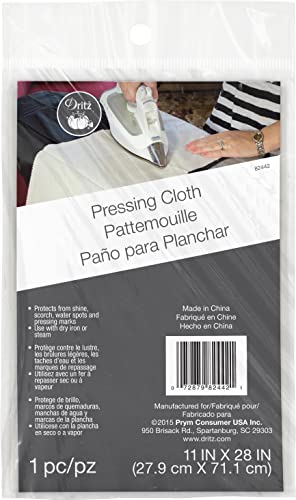
Never touch the steamer head directly to the knitting, especially with delicate fibers like mohair or silk. Hover the steamer about an inch above the fabric, allowing the steam to penetrate the fibers without crushing the loft or texture of your stitches.
If you are blocking a garment with complex colorwork, be extra cautious. Some hand-dyed yarns may bleed slightly when introduced to heat and moisture, so always perform a colorfastness test on your swatch before steaming the entire piece.
Avoiding Common Mistakes When Blocking Sweaters
The most common mistake I see is over-steaming, which leads to a garment that loses its structural integrity and becomes a floppy, lifeless version of what you intended. Always block to your measurements, not to the maximum stretch of the fabric.
Another frequent error is failing to let the garment dry completely before moving it. Steam introduces moisture into the fibers, and if you pick up a damp sweater, the weight of the water can cause it to sag and distort before the fibers have a chance to "set" in their new shape.
Finally, resist the urge to rush the process. Blocking is a period of rest for your knitting, and the fibers need time to settle into their new configuration as they cool down.
Maintenance and Care for Your Garment Steamer
Mineral buildup is the enemy of any steam tool, especially if you live in an area with "hard" water. Using distilled water in your steamer is the single best way to ensure it lasts for years, as it prevents the heating element from clogging with calcium deposits.
After every use, empty the water tank completely. Leaving water to sit in the reservoir can lead to mold or mineral accumulation, which will eventually spit out onto your clean, finished knitting—the last thing you want on a light-colored project.
Periodically run a mixture of water and white vinegar through the system if you notice the steam output slowing down. This simple maintenance routine keeps your steamer performing like new and protects your hard work from potential water stains.

Mastering the use of a garment steamer will elevate your knitting from "homemade" to truly professional-grade. By understanding the unique needs of your fiber, practicing patience during the blocking process, and maintaining your equipment, you ensure that every stitch you work is showcased at its absolute best. Take the time to experiment with your chosen tool on a swatch, and you will find that the final steam is the most rewarding part of the creative journey.