6 Best Lace Blocking Pins for Delicate Items
Achieve professional results with our guide to the 6 best lace blocking pins. Learn which tools safely secure delicate fibers while maintaining their shape.
Blocking is the final, transformative step that turns a crumpled, uneven piece of knitting into a professional-looking masterpiece. Choosing the right pins is just as critical as selecting the perfect yarn, as the wrong tools can snag fibers or leave permanent, unsightly rust marks. Whether you are working with gossamer-weight lace or sturdy wool, the right pin ensures your stitches set perfectly. Here are the best options to help you achieve that crisp, open stitch definition every time.
Knitter’s Pride Stainless Steel T-Pins: Best Overall


These pins are the workhorse of any serious knitter’s blocking kit. Because they are crafted from high-quality stainless steel, they offer a perfect balance of rigidity and smoothness that glides through even the most delicate lace without splitting the yarn ply.
The T-shaped head is a game-changer for those with hand fatigue or arthritis. It provides a wide, flat surface to push against, making it significantly easier to insert them into dense blocking boards or foam mats compared to standard sewing pins.
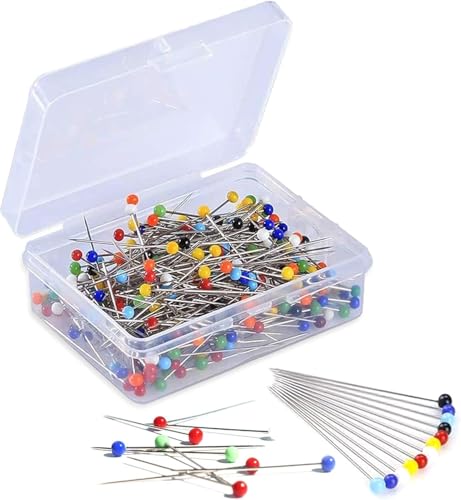
Ultimately, these are the most reliable choice for a wide variety of projects. If you want one set of pins that will last for years without bending or losing their shape, this is your gold standard.
Clover Patchwork Pins: Best for Delicate Lace

When you are working with ultra-fine cobweb-weight yarn, standard T-pins can sometimes feel a bit heavy-handed. Clover’s patchwork pins are exceptionally thin and sharp, allowing you to pin individual picots or tiny lace loops with surgical precision.
Because they are so fine, they don’t distort the delicate structure of the stitch as you tension the fabric. This is vital when blocking intricate motifs where every millimeter of symmetry matters to the final appearance of the shawl.
However, keep in mind that these are not designed for heavy, water-logged wool blankets. Use these specifically for your fine lace projects where minimal displacement is the goal.
Susan Bates T-Pins: Best Value for Large Projects

If you frequently block massive circular shawls or large tablecloths, you know that you can never have too many pins. Susan Bates offers a high-volume count that makes it affordable to stock up without breaking the bank.
These pins are functional and straightforward, doing exactly what they are intended to do. They are sturdy enough to hold significant tension, which is essential when you are aggressively stretching a project to open up its lace pattern.
While they may not have the premium finish of boutique brands, they are perfectly adequate for most blocking needs. They are the ideal choice for the knitter who wants to secure an entire project without worrying about running out of hardware.
Blocking Knits Rust-Resistant T-Pins: Best Durability

Rust is the mortal enemy of a hand-knitted heirloom. These pins are specifically engineered with a protective coating that resists oxidation, even when exposed to the moisture required for wet blocking.
The structural integrity of these pins is impressive, as they resist bending even when subjected to the high tension needed for aggressive lace shaping. This durability ensures that you won’t be constantly replacing warped pins that have lost their straightness.
If you live in a humid climate or frequently use steam blocking, these are a wise investment. Protecting your hard work from potential rust damage is worth the small premium in price.
Beadsmith Extra-Fine T-Pins: Best for Tiny Stitches

Sometimes, the space between your stitches is so tight that a standard pin creates a hole that is simply too large. The Beadsmith extra-fine pins are designed to slip through these tight spots with ease, maintaining the integrity of the fabric.
They are particularly useful for blocking complex cables or lace where the stitches are packed tightly together. By using a thinner shaft, you avoid the "puckering" effect that occurs when a pin pushes too much fabric aside.
These are a specialized tool for your kit. Keep them handy for those projects where precision is the absolute priority over holding power.
Boye Nickel-Plated T-Pins: Best for Quick Blocking
Boye pins are a classic staple found in almost every craft store, and for good reason. The nickel plating provides a very slick, smooth surface that allows the pin to slide through fibers with minimal friction.
They are excellent for quick, light blocking sessions where you don’t need to leave the pins in for days at a time. The smooth finish makes them very easy to insert and remove, which speeds up the entire blocking process.
Be aware that the nickel plating can eventually wear down, potentially exposing the base metal beneath. For long-term, multi-day blocking, ensure your pins are completely dry before storage to extend their lifespan.
Why Material Matters: Stainless Steel vs. Nickel
The material of your pin dictates how it interacts with your fiber. Stainless steel is generally preferred because it is non-reactive and highly resistant to moisture, making it the safest choice for long-term blocking.
Nickel-plated pins are often cheaper and very smooth, but they carry a slight risk of reaction if left in damp fabric for too long. If you are sensitive to nickel, you should avoid these entirely and stick to stainless steel or coated options.
Always consider the fiber content as well. Natural fibers like wool and silk are more prone to absorbing moisture, which accelerates the risk of rust if your pins are not high-quality stainless steel.
How to Prevent Rust Marks on Your Delicate Lace
The golden rule of blocking is never to leave your pins in the fabric until it is bone dry. Moisture is the catalyst for rust, and even the best pins can leave a mark if left in a damp, compressed environment for too long.
If you must leave a project pinned for several days, ensure it is in a well-ventilated area where air can circulate. This helps the moisture evaporate from the contact points where the pin meets the yarn.
If you suspect your pins are aging, test them on a scrap piece of damp white fabric first. If you see even the faintest shadow of discoloration, it is time to retire those pins and replace them before they ruin your project.
Proper Pinning Techniques for Intricate Edges
When pinning lace, always start from the center and work your way out toward the edges. This ensures the tension is distributed evenly across the entire piece, preventing the fabric from skewing or warping.
Avoid the temptation to pull the pin "outward" to stretch the lace; instead, insert the pin straight down into the mat. Use the pin to hold the stitch in place, rather than using the pin as a lever to force the fabric into an unnatural shape.
For scalloped or picot edges, use multiple pins to capture the individual points. This creates that crisp, professional "pop" that defines high-quality lace work.
Essential Tips for Safe Lace Blocking Storage
Never store your pins in a damp environment or inside a project bag that still contains a blocking mat. Moisture trapped in the mat can cause your pins to rust while they are sitting in storage.
Invest in a small, airtight container or a dedicated pin cushion to keep your pins organized and dry. Keeping them separated by type also makes it easier to grab the right size for your next project.
Finally, periodically clean your pins with a soft cloth to remove any residual lanolin or oils from your yarn. A clean pin is a smooth pin, and it will serve you much better in the long run.
Blocking is the final act of love that validates the hours you spent at your needles. By choosing the right pins and caring for them properly, you ensure that your delicate lace remains pristine and perfectly shaped. Remember that your tools are an extension of your craft, so treat them with the same respect you give your yarn. Happy blocking, and may your stitches always set exactly as you intended.