7 Best Fabric Markers For Sketching Designs To Try
Discover the top 7 fabric markers for precision design sketching. Our guide evaluates ink quality and tip variety to help you elevate your textile projects.
Whether you are mapping out complex intarsia colorwork or marking the exact placement for a set of pockets on a hand-knit cardigan, the right marker is essential. Many knitters make the mistake of using standard office supplies, only to find permanent ink bleeding into their precious hand-dyed wool. Choosing a tool designed for textiles ensures your hard work remains pristine from the needles to the final block. Here are the top seven markers to help you achieve professional results in your knitting projects.
Dritz Fine Line Marking Pen: Best Overall Pick


This pen is the workhorse of the knitting studio for a reason. It offers a consistent, fine-tip ink flow that doesn’t bleed into the fuzzy halo of mohair or the tight twist of a high-ply merino wool.
For most knitters, the Dritz Fine Line is the gold standard because it strikes the perfect balance between visibility and ease of removal. When you are sketching out a complex cable chart directly onto a swatch, you need a line that stays put until you are ready to wash it away.
The biggest tradeoff here is the drying time. If you are prone to resting your palm on your work, give the ink a moment to set before proceeding with your next row or stitch pattern.
Clover Water Soluble Marker: Best For Precision

If you are working on fine-gauge lace or delicate sock yarns, the Clover marker is your best friend. The thin, needle-like point allows you to mark specific stitch counts or shaping increases without obscuring the surrounding fiber.
I often reach for this when I am doing precision grafting or marking the exact center of a shawl. Because the ink is water-soluble, it vanishes completely with a light misting or a quick soak during the blocking process.
Be cautious, however, if you live in a humid climate. Excessive moisture in the air can sometimes cause the ink to spread slightly if left on the fabric for an extended period, so mark only when you are ready to knit.
Sewline Fabric Glue Pen: Best For Temporary Use

While technically an adhesive, the Sewline glue pen is a secret weapon for knitters who struggle with markers that leave a residue. It allows you to "tack" small embellishments or placement markers onto your knitting without any permanent discoloration.
I use this frequently when I am positioning pockets or decorative buttons on a finished garment. It holds the piece firmly in place while I sew, and it dissolves completely in water without leaving a stiff or crusty texture behind.
The main consideration is fiber type; it works beautifully on smooth, plant-based fibers like cotton or linen. On very fuzzy, high-loft fibers like angora, the glue may struggle to create a strong enough bond to hold heavy items.
Bohin Extra Fine Chalk Pen: Best For Dark Fabrics
Finding a marker that shows up on navy, charcoal, or black yarn is a notorious struggle in the knitting world. The Bohin chalk pen solves this by depositing a fine, powdery line that sits on top of the fiber rather than sinking in.
This is ideal for marking increases or decreases on dark-colored sweaters where a standard ink pen would be invisible. The chalk is easily removed with a soft brush or a gentle tap, making it perfect for quick, non-permanent adjustments.
Just remember that chalk is inherently fragile. If you are working on a project that requires a lot of handling or traveling, you may need to re-mark your lines as the chalk wears away against your needles.
Pilot Frixion Clicker Pen: Best Heat Erasable
The Frixion pen is a miracle for knitters who hate the idea of getting their project wet before it is finished. The ink disappears instantly when exposed to heat, usually via a quick pass with a hairdryer or a steam iron.
This tool is fantastic for marking fold lines on cuffs or neckbands. You can sketch your guide, knit to your heart’s content, and then "erase" the line with a puff of steam once your work is secure.
A critical warning: The ink can reappear if the garment is exposed to extreme cold, such as being left in a car during winter. Always test the heat-erasure on a swatch first to ensure your specific yarn doesn’t react poorly to the iron.
Prym Ergonomic Marking Pen: Best For Comfort

If you spend hours at a time sketching out complex intarsia maps, hand fatigue is a real concern. The Prym marker is designed with an ergonomic grip that reduces strain, making it much more comfortable for long sessions of pattern drafting.
Beyond the grip, the ink quality is exceptionally reliable and doesn’t skip, even when moving over the uneven surface of a hand-knit purl bump. It is a solid, dependable tool for those who prefer a sturdy, well-balanced pen in their hand.
It is slightly thicker than the precision markers, so it’s best suited for general layout and shaping marks rather than tiny, stitch-specific indicators. Think of this as your "sketching" pen rather than your "counting" pen.
Collins Quilting Marking Pencil: Best For Detail

Sometimes, a pencil is superior to a pen because it offers total control over line weight. The Collins marking pencil allows you to draw very faint, whisper-thin lines that won’t interfere with your stitch tension.
This is my go-to for marking delicate lace motifs where even the lightest ink might be too much. It glides over the yarn without snagging, which is essential when working with fragile, single-ply fibers that are prone to splitting.
Keep a sharpener handy, as the tip will dull quickly against the abrasive nature of some wools. A dull pencil lead can lead to "dragging" on the fiber, which can disturb your gauge if you aren’t careful.
How To Test Fabric Markers On Your Chosen Yarn
Never mark your final project without performing a test on a swatch first. Knitting fibers are highly variable, and what works on a smooth superwash merino may behave very differently on a rustic, unspun Icelandic wool.
- Check for bleed: Apply a mark and let it sit for 24 hours to see if it migrates into the surrounding fibers.
- Check for removal: Wash the swatch exactly as you intend to wash the finished garment to ensure the mark disappears completely.
- Check for residue: Feel the fabric after it has dried to ensure no waxy or chalky substance remains.
If you are using a light-colored yarn, be especially wary of markers that might leave a faint tint even after washing. When in doubt, a lighter touch is always better than a heavy, permanent line.
Essential Tips For Marking Delicate Fiber Types
When working with luxurious fibers like silk, cashmere, or mohair, treat your markings as temporary and minimal. These fibers are sensitive to chemical treatments and can hold onto pigments more stubbornly than standard wool.
Avoid pressing hard with any marker, as the pressure alone can crush the loft of your yarn or cause the fibers to felt slightly. Instead, use a light, glancing touch that leaves just enough pigment for you to see.
If you are working with a dark, delicate fiber, a chalk-based marker is almost always the safer bet. It sits on the surface and requires no liquid, which minimizes the risk of staining or fiber damage.
Removing Fabric Marks Safely Before Final Finish
The golden rule of removing marks is to use the gentlest method first. For water-soluble markers, a simple cool-water soak is usually sufficient, but don’t be tempted to scrub the fabric, as this can lead to pilling or accidental felting.
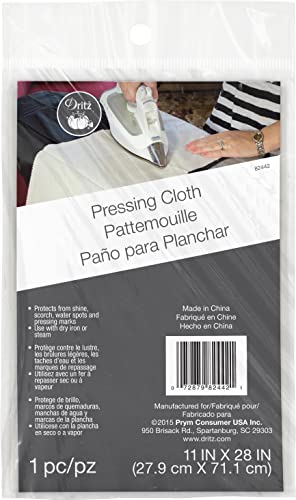
For heat-erasable marks, ensure your iron is set to the correct temperature for your fiber content. Never touch a hot iron directly to sensitive fibers like acrylic or certain silks; use a pressing cloth as a buffer to protect the integrity of the yarn.
If a stubborn mark remains, do not resort to harsh chemical cleaners. A mild wool wash or a drop of pH-neutral soap in a basin of lukewarm water will usually lift the last traces of any reputable fabric marker.
Selecting the right marker is about balancing your need for visibility with the safety of your fiber. By testing your tools on a swatch, you can avoid the heartbreak of permanent ink on a finished heirloom piece. Remember that the best tool is the one that disappears without a trace when your project is complete. Happy knitting, and may your lines always be exactly where you need them.