6 Best Mesh Garment Bags For Washing Knitwear
Protect your knits from snags and stretching. We review the six best mesh garment bags to keep your delicate sweaters looking brand new after every wash.
After spending weeks meticulously crafting a hand-knit sweater, the thought of tossing it into a washing machine can feel like a betrayal of your hard work. However, with the right protection, machine washing can be a safe and efficient way to care for your finished garments. The secret lies in using a high-quality mesh bag to act as a barrier against the agitation of the machine. These tools are the most important insurance policy you can own for the longevity of your fiber arts projects.
Baggu Go Pouch Set: Best for Delicate Knits


These pouches are a favorite among knitters who prioritize gentle handling for items like lace shawls or fine-gauge silk blends. Because they are designed with a finer, tighter weave, they provide a superior level of separation between your delicate stitches and the harsh drum of the washer.
The material is surprisingly soft, which prevents the "pilling" that can occur when a garment rubs against a rougher mesh surface. If you are washing a precious mohair or angora blend, this smooth texture is non-negotiable.
The trade-off here is size; these pouches are generally smaller than traditional laundry bags. They are perfect for a pair of hand-knit socks or a baby bonnet, but they won’t accommodate a bulky adult-sized sweater.
Honey-Can-Do Mesh Bag: Best Budget Choice
Sometimes the simplest tool is the most effective one, and this bag proves that you don’t need to spend a fortune to keep your knits safe. It features a standard, reliable mesh that allows for excellent water flow, ensuring your wool wash actually penetrates the fibers.
I recommend this for the knitter who is just starting to experiment with machine-washing their swatches or smaller accessories. It is durable enough to hold up through dozens of cycles without the zipper failing.
Be aware that the mesh holes are slightly larger than premium options, so be cautious if you have a garment with long, loose floats or delicate dropped-stitch patterns. If your project has "snaggy" elements, you might want to double-bag it inside another layer.
Laundry Deluxe Extra Large: Best for Sweaters

When you have spent months on a worsted-weight cardigan, you need a bag that allows the garment to lay flat without being cramped or folded excessively. This extra-large option provides the necessary room for the fabric to move slightly during the cycle, which helps prevent uneven felting.
The construction is robust, and the sheer volume of the bag means you aren’t forcing your sweater into a tight ball. For heavy wools that hold a lot of water, this space is vital for ensuring the garment gets rinsed thoroughly.
The only downside is that it takes up significant space in your machine. Only use this when your drum is large enough to allow the bag to tumble freely; if it’s jammed against the glass, the agitation will be uneven.
Whitmor Mesh Wash Bags: Best Durable Option
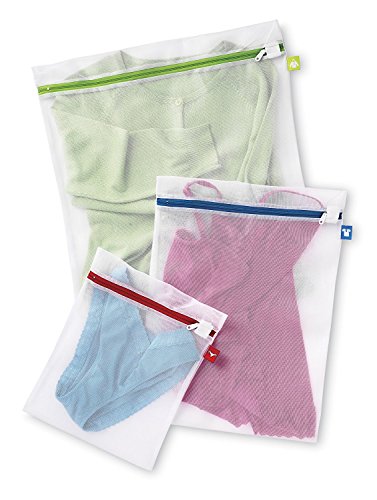
If you are a frequent machine-washer, you know that the zipper is usually the first thing to break. Whitmor bags are built with a focus on structural longevity, making them a wise long-term investment for a knitter’s laundry room.
The mesh is reinforced, which is excellent if you are washing items that have buttons or metal toggles. These hard elements can tear through thinner bags, but the Whitmor fabric acts as a sturdy shield.
Because they are so durable, they can feel a bit stiff at first. I suggest giving them a quick wash and rinse before using them for your most delicate cashmere projects to ensure the fabric is as supple as possible.
Brabantia Mesh Laundry Bag: Best Zipper Guard

The most common way a mesh bag ruins a knit is when the zipper tab catches on a yarn strand and pulls a loop. The Brabantia bag features a brilliant zipper guard that tucks the metal pull away, keeping it completely isolated from your garment.
This is a game-changer for anyone who has ever pulled a sweater out of the wash only to find a snagged row of stitches. It’s a small design detail, but it speaks to the manufacturer’s understanding of how these bags interact with delicate textiles.
While the design is top-tier, ensure you choose the right size for your project. A bag that is too big will allow the garment to tumble too violently, while one that is too small might cause the zipper to pop open under the weight of wet wool.
Lehmans Cotton Mesh Bag: Best Plastic Free
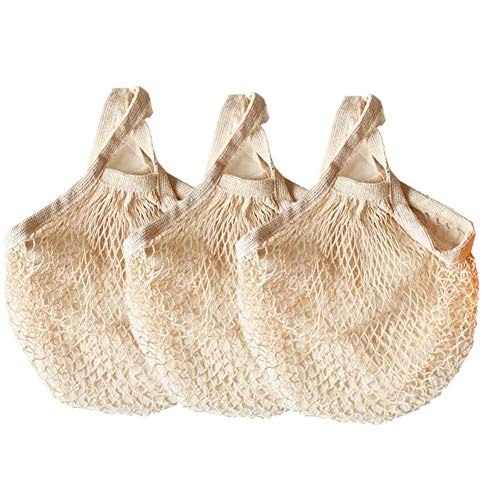
For those who prefer to keep synthetic materials away from their natural fibers, this cotton mesh bag is a refreshing alternative. It offers a breathable, natural environment for your woolens and is completely biodegradable.
Cotton is inherently softer than polyester mesh, which is a significant benefit for high-maintenance fibers like alpaca or merino. You won’t have to worry about the bag itself causing friction-based pilling on your finished work.
Keep in mind that cotton can shrink slightly over time, especially if you accidentally toss it in the dryer. Always air-dry these bags to maintain their shape and integrity for your next laundry day.
Why Knitwear Requires Specialized Wash Bags
Machine washing is inherently violent compared to the gentle swish of a hand-wash basin. Even on a "delicate" or "hand-wash" cycle, the drum rotates, causing your garment to rub against the machine walls and other items.
Without a bag, your knitwear is susceptible to:
- Mechanical Felting: Friction causes fibers to lock together, shrinking your garment permanently.
- Snagging: Zippers or hooks from other garments can catch your delicate yarn.
- Distortion: The weight of water-logged wool can stretch seams if the garment isn’t contained.
A mesh bag provides a "buffer zone" that prevents these issues. It effectively turns your garment into a single, compact unit that moves with the water rather than against it.
Key Features to Seek in a Quality Mesh Bag
When shopping for a bag, look beyond the price tag and focus on the mechanics of the construction. The mesh should be fine enough to prevent buttons or beads from poking through, but porous enough to allow soap and water to pass through freely.
- Zipper Protection: Look for a flap or elastic loop that secures the zipper pull.
- Mesh Density: Finer mesh is safer for delicate lace; wider mesh is fine for sturdy socks.
- Size Versatility: You should own at least one small bag for socks and one large bag for sweaters.
- Closure Type: Zippers are generally more secure than drawstring closures, which can tangle.
Always check the seams of the bag before your first use. If there are loose threads or frayed edges, trim them carefully so they don’t snag your precious hand-knits.
Proper Loading Techniques for Hand Knits
How you load your garment into the bag is just as important as the bag you choose. Never fold your sweater into a tight, dense brick; instead, fold it loosely so the water can circulate through the layers of fabric.
If you are washing multiple items, use one bag per item. Putting two sweaters in one bag creates too much weight and friction, which increases the likelihood of pilling.
Finally, always close the zipper completely. If even an inch of the zipper is open, your yarn can work its way out, leading to a tangled mess or a stretched-out section of fabric.
Essential Tips for Machine Washing Woolens
Machine washing is only safe if you have confirmed your yarn is "superwash" or treated for machine care. If you are washing hand-dyed yarns, be prepared for a small amount of color bleeding, regardless of how careful you are.
- Use the Right Detergent: Use a wool-specific wash that cleans without stripping natural oils.
- Temperature Matters: Always use cold water; heat is the primary catalyst for unintended felting.
- The Spin Cycle: Use the lowest spin speed possible to remove excess water without stretching the fibers.
- Post-Wash Care: Never, ever put your knits in the dryer; lay them flat on a blocking mat to dry.
If you are ever in doubt about a garment, hand washing remains the gold standard. However, when life gets busy, these mesh bags provide the safety net you need to keep your wardrobe in rotation.
Investing in a few high-quality mesh bags is a small price to pay for the preservation of your time and effort. By selecting the right size and type for your specific project, you can confidently utilize your machine to care for your knitwear. Remember, the goal is to minimize friction and maximize gentle cleaning. Treat your finished objects with care, and they will remain a beautiful part of your wardrobe for years to come.