7 Best Multi Needle Tools For Large Scale Felting
Boost your efficiency with our top 7 multi-needle felting tools. Discover the best ergonomic designs for large-scale projects and speed up your creative process.
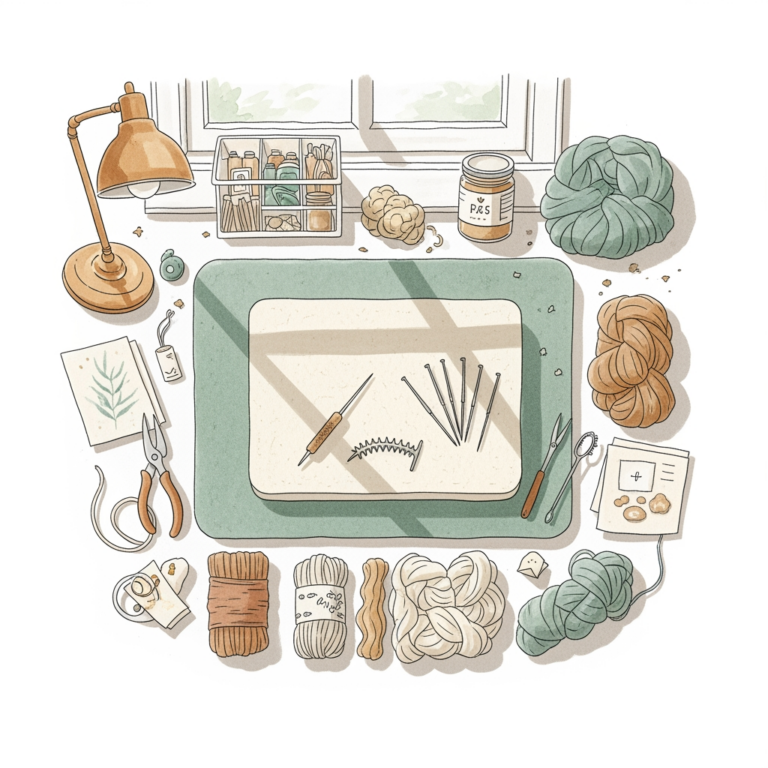
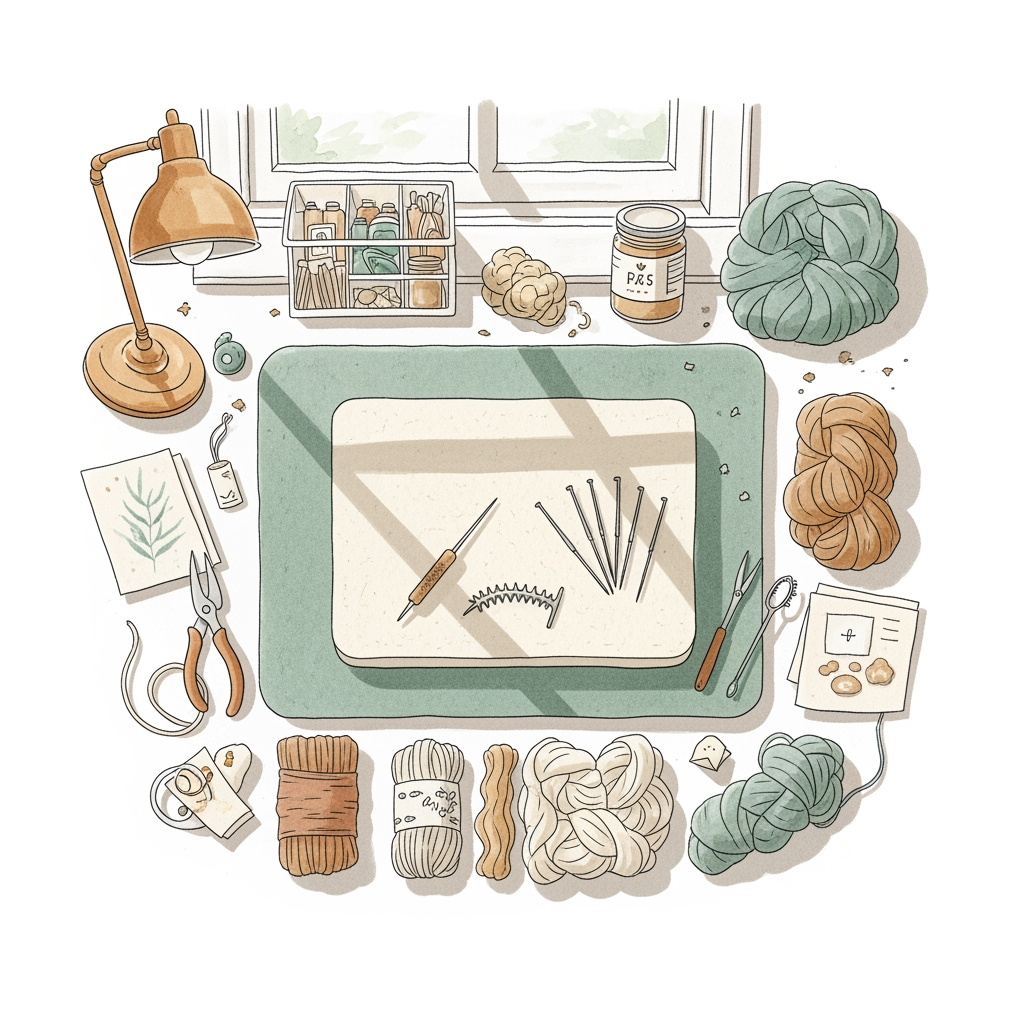
Large-scale needle felting is much like managing a complex colorwork project; it requires the right tools to maintain consistency and efficiency across a wide surface area. When you are building up the core of a large sculpture or firming up a massive wool tapestry, using a single needle is simply not sustainable. These multi-needle tools act as the "circular needles" of the felting world, allowing you to cover ground quickly and evenly. Investing in a high-quality multi-tool transforms hours of tedious labor into a fluid, rhythmic process.
Clover Pen Style Needle Felting Tool: Best Overall


The Clover Pen Style tool is the industry standard for a reason, mirroring the reliability of a classic bamboo needle set. It features a comfortable, ergonomic grip that mimics the feel of a fountain pen, which is essential when you are working on a project for several hours.
This tool typically holds three needles, providing a balanced punch that isn’t too aggressive for delicate fiber work. It is an excellent middle-ground option for those who want to transition from single-needle work to larger surfaces without feeling overwhelmed by the resistance of a larger head.
The primary tradeoff here is the fixed needle count; you cannot swap to a single needle mid-stream without changing tools. However, for most large-scale projects, the consistent, even density this tool provides makes it the most versatile choice in your kit.
Ashford Multi-Needle Felting Tool: Best for Speed

When you need to firm up a large wool core, the Ashford tool is your workhorse. It is designed to hold multiple needles in a wide configuration, allowing you to penetrate a large surface area with every single strike.
If you have ever felt the fatigue of "felting burnout" while trying to shape a large volume of wool, this tool is your remedy. It moves through thick batts of wool with significant authority, saving you significant time during the initial construction phase.
Because it covers so much ground, it can be slightly less precise than smaller tools. Use this for the "heavy lifting" of your project and save your fine-detail work for a single needle.
Bear Creek Felting 5-Needle Tool: Best Ergonomics

Hand strain is a very real concern for fiber artists, especially when you are spending long afternoons felting. The Bear Creek 5-Needle tool is designed with a wooden handle that fits naturally into the palm, reducing the tension in your wrist and fingers.
The weight of the wood provides a satisfying counter-balance to the punching motion. It feels substantial, much like a well-weighted crochet hook, which helps you maintain a steady rhythm without needing to grip the tool too tightly.
While the wooden handle makes it more durable than plastic alternatives, it is also heavier. If you have sensitive joints, this weight is a benefit, but those who prefer a lightweight tool might find it requires a slight adjustment period.
Schacht Spindle Company Felting Tool: Top Quality

Schacht is a name synonymous with quality in the weaving and spinning world, and their felting tool lives up to that reputation. The construction is robust, designed to last through years of heavy use on dense wool projects.
This tool is particularly good for those who appreciate precision engineering in their fiber tools. The needle alignment is exceptionally consistent, ensuring that every punch delivers the same amount of fiber penetration.
It is an investment piece, certainly, but for the serious maker, it is worth every penny. You are paying for a tool that won’t wobble or loosen over time, providing a stable experience that mimics the reliability of a high-end spinning wheel.
Hamanaka Felt Punch Tool: Best for Precision Work
Sometimes, even on a large project, you need to refine the edges or smooth out a specific patch of fiber. The Hamanaka tool is designed for the artist who values control above all else.
It is surprisingly lightweight and nimble, allowing you to manipulate the wool with the finesse of a painter’s brush. If you are working on a large-scale project that requires intricate surface design, this tool will give you the control you need to avoid over-felting specific areas.
Do not expect this tool to do the heavy lifting of a 7-needle block. It is a precision instrument, best used for the final stages of a project where you are smoothing out the surface and adding delicate details.
Dimensions Needle Felting Tool: Best for Beginners

If you are just starting your journey into fiber arts, the Dimensions tool is a forgiving and accessible entry point. It is straightforward, easy to reload, and doesn’t require a steep learning curve to master.
The design is simple, focusing on functionality over fancy features. For a beginner, this is perfect; you can focus on learning how the fiber reacts to the needles rather than fiddling with complex tool mechanics.
It may not have the longevity of a professional-grade wooden tool, but it is an excellent way to determine if large-scale felting is a craft you want to pursue further. Treat it well, and it will serve you faithfully as you learn the ropes.
Woolbuddy 7-Needle Felting Tool: Best for Coverage

When you have a massive project—like a large sculptural piece or a thick wall hanging—the Woolbuddy 7-needle tool is your best friend. It offers the widest coverage of any tool on this list, making it a true time-saver.
The wide head allows you to felt large areas in a fraction of the time it would take with a 3-needle tool. It is essentially the "wide-tooth comb" of felting; it clears the path and sets the density quickly.
Be mindful that with seven needles, the resistance is higher. You will need a firm, high-quality foam pad beneath your work to ensure you don’t break your needles or damage your workspace.
Understanding Needle Gauges for Large Projects
Just as you choose your knitting needle size based on the weight of your yarn, you must choose your felting needle gauge based on the stage of your project. Higher gauge numbers (like 40 or 42) are thinner and used for fine detail, while lower numbers (like 32 or 36) are thicker and better for heavy-duty work.
For large-scale projects, start with a lower gauge to quickly lock the fibers together. As the project becomes more dense, switch to a higher gauge to avoid leaving large, visible holes in your work.
Always keep a variety of gauges on hand. Using the wrong needle for the density of your fiber can cause the needles to snap, which is a frustrating interruption to your creative flow.
How to Safely Swap Your Needles and Maintain Tools
Needles are sharp, and swapping them requires the same level of caution you’d use when handling tapestry needles or cable needles. Always ensure your tool is laid flat on a stable surface before attempting to loosen the screws or clamps.
Regular maintenance is key to a long tool life. Check the screws or tensioners periodically to ensure they haven’t vibrated loose, and always store your tools with the needles retracted or covered.
If a needle feels dull or catches on the fiber, replace it immediately. A dull needle is more likely to snap or tear the fiber, which can ruin the texture of your project.
Essential Safety Tips for Multi-Needle Felting
The most important rule of multi-needle felting is to always watch your fingers. When using a tool with 5 or 7 needles, the area of impact is much larger than with a single needle, increasing the risk of accidental contact.
Always work on a dedicated felting mat or high-density foam block. Never hold your work in your hand while felting; the needles will eventually pass through the fiber and find your skin.
Keep your workspace clear of distractions, just as you would when working on a complex lace pattern. If you feel tired or lose focus, put the tool down and take a break; a moment of inattention is all it takes to turn a fun project into a painful one.
Choosing the right multi-needle tool is about balancing the scale of your project with the level of control you need to achieve your artistic vision. Whether you prioritize the speed of a 7-needle head or the precision of a fine-gauge tool, remember that your hands are your most valuable asset. Take your time, maintain your tools, and enjoy the meditative rhythm that large-scale felting brings to your fiber practice. Happy felting, and may your fibers always lock together perfectly.