7 Best Hand Lotions For Protecting Skin During Weaving
Weaving can dry out hands. Discover the 7 best lotions to protect your skin, maintain dexterity, and keep yarn smooth while working on your loom projects.
Weaving requires constant, rhythmic contact between your skin and delicate warp threads, which can quickly strip moisture from your fingertips. When your hands are dry, they become like sandpaper, catching on fine silk or snagging loosely spun wool. Finding the right lotion is about balancing deep hydration with a texture that won’t transfer residue onto your precious fiber. Here are seven reliable choices to keep your hands supple and your warp pristine.
Working Hands Cream: Best Overall for Weavers


If you spend hours at the loom, you know the feeling of "loom-hand"—that specific, parched sensation caused by the friction of passing shuttles. Working Hands is a staple because it creates a concentrated barrier that doesn’t feel like a layer of oil.
It focuses on repairing the deep cracks that can snag on delicate yarns like mohair or high-twist cotton. Because it is highly concentrated, a little goes a long way, which is vital when you want to avoid getting grease on your warp.
The bottom line: Use this at the end of your weaving session. It’s the best "reset" button for hands that have been working with abrasive or dry fibers all day.
Neutrogena Norwegian Formula: Best Hand Repair

This formula is famously dense and glycerin-rich, making it perfect for the weaver who works in a climate-controlled studio where air is often too dry. It doesn’t just sit on the surface; it pulls moisture into the skin.
When you are working with natural fibers like linen or hemp, which are notoriously drying, this cream provides a heavy-duty defense. It feels slightly tacky initially, so be sure to give it a full ten minutes to sink in before you touch your loom.
If you have deep, painful splits near your nails, this is your best friend. It’s not the most elegant application, but it is undeniably effective at restoring skin elasticity.
L’Occitane Shea Butter: Best for Dry Cuticles

Weavers often ignore their cuticles until a jagged edge catches a thread and causes a tension issue. This classic cream is rich in shea butter, which is excellent for softening the hard, dry skin that builds up around the nail bed.
Because it is quite luxurious, it is best used as a nightly treatment rather than a mid-project solution. If you apply it right before bed, your hands will be soft and snag-free by the time you sit down at the loom the next morning.
The trade-off here is the scent and the richness; it is more of a pampering product than a functional tool. Keep it on your nightstand, not your loom bench.
Burt’s Bees Almond Milk: Best Natural Formula
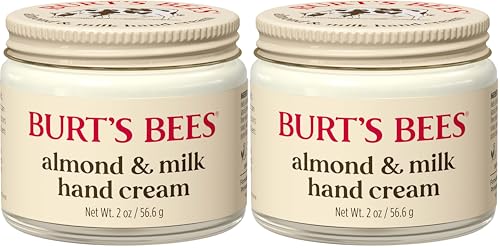
For those who prefer to keep synthetic additives away from their natural fibers, this almond milk cream is a lighter, more botanical option. It absorbs much faster than the heavier waxes and butters on this list.
It’s an excellent choice for a "quick fix" during a long weaving day when you don’t want to wait for a heavy cream to dry. The almond oil provides a nice slip that helps your hands glide over the warp without leaving a heavy residue.
Keep in mind that natural formulas sometimes lack the "sealing" power of heavy-duty creams. Use this for maintenance throughout the day rather than for deep, overnight repair.
Aveeno Skin Relief: Best for Sensitive Hands
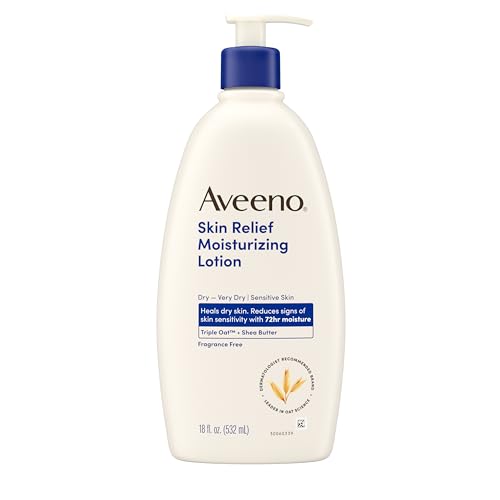
If you are prone to contact dermatitis or have sensitivities to fragrances, your weaving environment needs to be as hypoallergenic as possible. Aveeno uses colloidal oatmeal, which is incredibly soothing for hands that are constantly being washed or exposed to dust from raw fibers.
This lotion is thin and spreads easily, meaning you won’t have to worry about a thick, greasy film transferring to your warp. It’s the most "invisible" option on this list, making it ideal for high-precision work like fine-thread weaving.
Bottom line: If you have reactive skin, don’t experiment with heavily scented products. Stick to this reliable, fragrance-free formula to keep your hands calm and your work clean.
O’Keeffe’s Fragrance Free: Best Non-Greasy Pick

The biggest fear for any weaver is staining the warp with lotion-slicked fingers. This version of O’Keeffe’s is specifically formulated to be non-greasy, drying down to a matte finish almost instantly.
It’s perfect for the weaver who needs to moisturize and get right back to tensioning the loom. You won’t feel like you’re losing your grip on the shuttle or the beater.
While it lacks the intense, buttery feel of other options, its lack of residue is its greatest asset. It is the most "weaver-friendly" in terms of immediate utility.
Eucerin Advanced Repair: Best for Daily Relief
Eucerin is the workhorse of hand care, balancing effective hydration with a formula that doesn’t feel sticky. It contains ceramides and natural moisturizing factors that actually help the skin retain its own water.
This is the best choice for a studio lotion that you keep near your loom for regular use. It’s effective enough to prevent the dryness that leads to snags, but light enough that it won’t impede your dexterity.
If you find yourself weaving for long stretches, apply a small pea-sized amount every few hours. It’s the ultimate "set it and forget it" solution for daily maintenance.
Why Weavers Need Specialized Hand Moisturizers
Weaving is a high-friction activity that constantly strips the natural oils from your fingertips. Unlike knitting, where you are mostly holding needles, weaving involves constant manipulation of the warp, which acts like a wick for your skin’s moisture.
If your skin is dry, your fingertips become rough and textured. This creates tiny, microscopic snags that can catch on delicate filaments like silk, bamboo, or fine wool, leading to broken threads and uneven tension.
Choosing the right moisturizer isn’t about vanity; it’s about tool maintenance. Your hands are the most important tools in your studio, and keeping them healthy is essential for protecting your warp.
How to Apply Lotion Without Damaging Your Warp
The secret to lotion application is timing and quantity. Never apply a thick layer of lotion immediately before touching your loom; wait at least 10 to 15 minutes for the product to fully absorb into the dermis.
If you are in a rush, focus the lotion only on the backs of your hands and your cuticles, avoiding the pads of your fingers entirely. You can also wipe your fingertips on a clean, dry cotton towel after applying to ensure no residual oils remain.
- The "Back-of-Hand" Method: Apply a dollop to the back of one hand and rub the backs of both hands together.
- The "Overnight" Rule: Use your heaviest, greasiest creams only before sleep.
- The "Test" Strip: If you are unsure, rub your fingertips against a scrap piece of your warp yarn; if you see a sheen, it’s too much.
Essential Tips for Preventing Fiber Snagging
Beyond lotion, keep an eye on your physical environment to ensure your hands stay smooth. Wear cotton gloves if you are handling very rough or abrasive materials like jute or heavy-duty cordage.
Keep a nail file and clippers at your loom station to address hangnails immediately. A single dry, jagged cuticle can ruin hours of work if it catches on a fragile warp thread.
- Hydrate internally: Your skin health starts with water intake, not just topical creams.
- Avoid harsh soaps: Use gentle, moisturizing cleansers in the studio to prevent stripping your skin before you even start weaving.
- Check your tools: Sometimes the culprit isn’t your skin, but a rough spot on your shuttle or reed that is causing the snagging.
Maintaining your hands is a non-negotiable part of a long-term weaving practice. By choosing the right moisturizer and applying it with care, you protect both your skin and the integrity of your warp. Start with a non-greasy formula for your studio sessions and save the heavy-duty treatments for the end of the day. Your hands—and your finished textiles—will thank you for the extra attention.