7 Best Fiber Shears For Heavy Duty Trimming Reviewed
Discover the top 7 fiber shears for heavy-duty trimming. We review durability, blade precision, and ergonomics to help you choose the best tool for the job.
Every knitter knows the frustration of a dull blade snagging on a thick strand of wool or a heavy canvas project bag. When you are working with bulky roving or multi-ply yarns, a standard pair of craft scissors simply won’t cut it. Finding the right heavy-duty shears ensures clean, precise cuts that prevent fraying and save your hands from unnecessary strain. Investing in a professional-grade tool is the difference between a clean finish and a jagged, uneven edge.
Gingher 8-Inch Knife Edge Dressmaker Shears


These are the gold standard for many of us who grew up in the craft. The knife-edge grind allows the blades to glide through thick, multi-ply fibers with almost zero resistance.
They are incredibly sharp, but they demand respect. If you use these on anything other than fiber—like paper or wire—you will ruin the precision edge instantly.
For the knitter who works with dense felted wool or heavy upholstery fabrics, these provide a crisp, clean cut every time. Just be prepared to have them professionally sharpened periodically to maintain that iconic performance.
Kai 7230 Professional 9-Inch Heavy Duty Shears

The Kai 7230 is a favorite for those of us who suffer from hand fatigue during long sessions of cutting heavy fabric. These shears use high-carbon stainless steel, which feels lighter in the hand than traditional heavy industrial shears.
The ergonomics here are superior for knitters who might be dealing with repetitive strain. The balance is impeccable, meaning you don’t have to force the blades closed; they do the work for you.
If you are cutting through thick, sticky mohair or dense, cabled wool yarn, the smoothness of the pivot is a game changer. They offer a professional feel that makes you feel like you’re in control of every snip.
Wiss W20W Industrial Inlaid Carbon Steel Shears

If you want a tool that feels like it could last for generations, the Wiss W20W is your best bet. These are heavy, substantial, and built for serious industrial labor.
They are not the most comfortable for small hands, but their weight is actually an asset when cutting through thick, dense fiber bundles. The inlaid carbon steel holds an edge longer than almost any other material on the market.
These are the shears you reach for when you are cutting through heavy-duty canvas for project bags or thick, unspun wool roving. They are uncompromising, traditional, and incredibly effective.
Fiskars Amplify Razor Edge Fabric Shears

Fiskars introduced the Amplify technology to solve the problem of fabric "chewing" at the tips of the blades. These shears sense when the material is thick and adjust the blade tension automatically.
This is a brilliant solution for knitters who find themselves cutting through multiple layers of fabric or dense, felted projects. You don’t have to worry about the blades separating and snagging the yarn.
While they are made of plastic and metal composites, they are surprisingly durable. They are an excellent, modern entry point for a knitter who wants high performance without the heavy price tag of traditional forged steel.
LDH Scissors Midnight Edition Fabric Shears
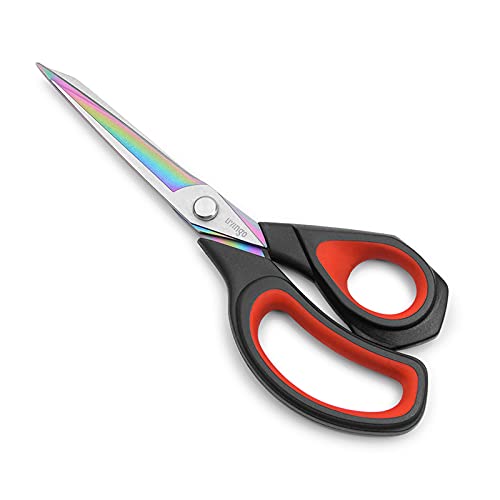
LDH has gained a cult following in the fiber arts community for a reason. These shears are aesthetically beautiful, but they are also precision-engineered with high-grade carbon steel.
The "Midnight" finish isn’t just for show; it offers a level of corrosion resistance that is helpful if you live in a humid climate. The tension screw is easy to adjust, which is vital for keeping your blades perfectly aligned over years of use.
These are perfect for the knitter who appreciates a tool that is as beautiful as the projects they create. They offer a buttery-smooth cutting action that feels luxurious on even the toughest fibers.
Havel’s 8-Inch Serrated Blade Sewing Shears

Serrated blades are a secret weapon for any knitter working with slippery or difficult-to-cut fibers. The tiny teeth on the blade grip the yarn or fabric, preventing it from sliding away from the cut.
If you are cutting slippery synthetic yarns or delicate lace-weight fibers that tend to fray, the serrations are a lifesaver. They hold the fiber in place, ensuring a clean, straight line.
They might not give you the "razor-smooth" finish of a knife-edge shear, but for high-friction or high-slip materials, they are unmatched. They are a specialized tool that every well-stocked craft room should include.
Westcott Titanium Bonded Industrial Shears
Westcott is known for durability, and their titanium-bonded blades stay sharp significantly longer than standard stainless steel. For a knitter who doesn’t want to worry about maintenance, this is a major plus.
These shears are essentially indestructible in a home environment. They handle thick, abrasive fibers like jute or hemp with ease, and they don’t rust easily.
They are an excellent "workhorse" pair to keep on your secondary cutting table. While they lack the refined feel of forged carbon steel, their sheer reliability makes them a staple for heavy-duty tasks.
Essential Features for Heavy Duty Fiber Shears
When selecting your shears, the most important feature is the pivot assembly. You want a screw that can be tightened or loosened, as this determines the tension between the blades.
Look for high-carbon steel if you prioritize edge retention, or titanium-bonded stainless steel if you want low maintenance. The weight of the shear is a personal preference, but it should feel balanced in your palm.
- Blade Material: Look for high-carbon steel for sharpness or stainless steel for rust resistance.
- Handle Ergonomics: Ensure the finger loops fit comfortably without pinching.
- Adjustability: A tension screw is essential for long-term maintenance.
- Edge Type: Knife-edge for clean cuts; serrated for gripping slippery fibers.
How to Properly Maintain Your Cutting Tools
Never, under any circumstances, use your fabric shears to cut paper, wire, or plastic. Paper contains clay and abrasives that dull the microscopic teeth of a sharp blade almost instantly.
Keep your shears clean by wiping them down with a soft, dry cloth after every use to remove lint and fiber dust. A tiny drop of sewing machine oil on the pivot screw every few months will keep the action smooth.
If you notice the shears start to "fold" the fabric or yarn rather than cutting it, it is time to have them professionally sharpened. Don’t try to sharpen professional-grade shears with a kitchen pull-through sharpener; you will ruin the blade geometry.
Tips for Cutting Thick Yarns and Heavy Fabrics
When cutting thick, bulky yarn, try to use the middle-to-base section of the blades rather than the tips. The leverage is much stronger near the pivot, which prevents the yarn from getting caught.
If you are cutting dense felted wool, a slow, steady pressure is better than a quick snap. This allows the blades to slice through the fibers rather than crushing them.
Finally, always cut on a clean, flat surface to ensure the blades remain parallel. If you are cutting on a soft surface, the material may shift, resulting in a jagged, uneven edge that will be difficult to weave in later.
Choosing the right heavy-duty shears is a personal journey that depends on your specific fiber stash and cutting habits. Whether you value the heritage feel of carbon steel or the modern convenience of titanium, the right pair will make your knitting process smoother and more enjoyable. Take the time to care for your tools, and they will serve you faithfully through years of beautiful projects. Happy making!