7 Best Yarn Cutters For Thread Trimming Worth Owning
Discover the top 7 yarn cutters for precise thread trimming. This guide evaluates performance, durability, and ergonomics to help you choose the best tool.
Every knitter knows the frustration of hunting for a pair of scissors when you’ve just finished a complex bind-off or need to join a new ball of yarn. Whether you are working on a delicate lace shawl or a bulky wool sweater, having a dedicated cutting tool within reach is essential for maintaining your flow. A reliable cutter isn’t just a luxury; it’s a vital component of your knitting kit that prevents you from resorting to dangerous habits like biting your yarn. This guide explores the best options to ensure you are always prepared to snip your ends clean and get back to your stitches.
Clover Yarn Cutter Pendant: Best For Portability


The Clover Yarn Cutter Pendant is a clever piece of design that hides a circular blade inside a classic-looking necklace. It is the ultimate solution for knitters who find themselves constantly misplacing their tools between the sofa cushions or the bottom of a project bag.
Because the blade is recessed, you can safely carry it through airports or keep it around your neck while you knit on the go. It works by sliding the yarn into one of the small slots around the perimeter, where a sharp edge instantly severs the fiber.
It is particularly effective for thinner yarns and standard worsted weights. However, if you are working with very thick, roving-style yarns, you may find the slot a bit tight, requiring a second pass to get a clean cut.

Merchant & Mills Thread Snips: Best For Precision
When you are weaving in ends on a fine fingering-weight sock, you need a tool that can get right up against the fabric without nicking your hard work. Merchant & Mills snips offer a level of surgical precision that standard scissors simply cannot match.
These are forged from high-quality steel and maintain their edge through years of heavy use. They are perfect for "tail trimming," where you need to cut your yarn end as close to the knot or weave as possible to keep the inside of your garment tidy.
While they are exceptionally sharp, they do require a bit more care than mass-produced alternatives. Keep them dry and lightly oiled to prevent rust, especially if you live in a humid climate or frequently carry them near damp blocking mats.
Gingher 4-Inch Embroidery Scissors: Best Quality

Gingher scissors are the gold standard in the sewing and knitting world for a reason. Their 4-inch embroidery scissors are small enough to fit in any notions pouch, yet they possess the substantial feel of a professional-grade tool.
The blades are ground to a perfect point, allowing you to snip individual plies of yarn if you are performing a repair or a delicate graft. The tension on the pivot screw is consistently excellent, providing a smooth, silent snip that feels satisfying every time.
Be aware that these are investment pieces. They are not the scissors you want to use for cutting paper or heavy twine, as doing so will dull the precision edge quickly. Keep these strictly for your fiber projects to maintain their longevity.
Fiskars Micro-Tip Scissors: Best For Ergonomics
If you suffer from hand fatigue or have limited dexterity, the Fiskars Micro-Tip scissors are a game-changer. The spring-action design automatically opens the blades after each cut, which reduces the amount of repetitive strain on your thumb and fingers.
The soft-grip handles provide a comfortable, non-slip surface that is easy to hold even during long knitting sessions. The micro-tip is thin enough to navigate tight spaces, making them a versatile choice for both knitting and general sewing tasks.
While the plastic construction makes them lightweight, they are incredibly durable for their price point. They are an excellent "workhorse" tool that won’t break the bank if you happen to leave them behind at a knitting group meetup.
Dritz Yarn Cutter Thimble: Best For Speed
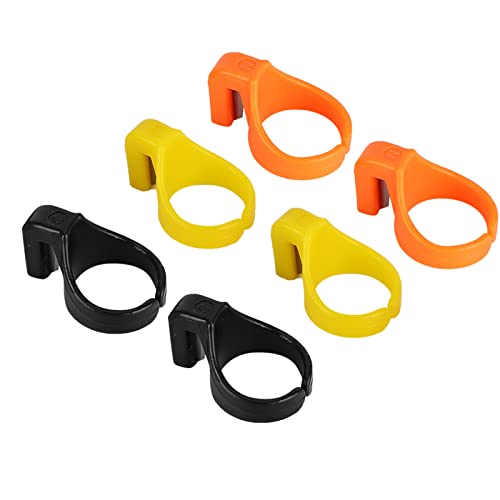
The Dritz Yarn Cutter Thimble is a favorite among production knitters who need to keep their hands on the needles at all times. By wearing this on your finger, you eliminate the need to put your project down to reach for a tool.
It functions similarly to the Clover pendant, using a protected blade to slice through yarn with a quick flick of the wrist. It is especially useful for stranded colorwork, where you are constantly cutting and joining different shades of yarn.
It may take a little practice to get used to the weight on your finger, and it isn’t suitable for every hand size. If you have larger fingers, you may find the fit a bit snug, so testing the sizing before committing is a smart move.
Singer ProSeries Thread Snips: Best For Value

Singer has long been a household name, and their ProSeries snips provide a reliable, no-nonsense option for the budget-conscious knitter. These snips offer a sharp, hardened steel blade that handles everything from cotton to mohair with ease.
They are compact, lightweight, and come with a small sheath to protect the tips when not in use. They are the perfect "backup" tool to keep in your secondary project bag, ensuring you are never caught without a way to trim your ends.
While they may not have the refined finish of a high-end boutique tool, they perform the essential task of cutting yarn perfectly. They are a practical choice for beginners who are still building their toolkit and want to prioritize spending on high-quality needles and yarn.
Westcott Titanium Snips: Best For Durability

Westcott uses titanium-bonded blades that are significantly harder than standard stainless steel. This makes them highly resistant to corrosion and dulling, even if you are cutting through abrasive fibers like linen or metallic-wrapped yarns.
The blades are also non-stick, which is a massive benefit if you work with sticky or synthetic blends that might leave a residue on your tools. The ergonomic handle design ensures that you can apply enough pressure to cut through thicker, multi-strand plies without discomfort.
These are arguably the most "rugged" option on this list. If you are a knitter who takes their projects into the great outdoors—hiking, camping, or traveling—these snips will handle the wear and tear better than almost anything else.
How To Select The Best Tool For Your Knitting Bag
Choosing the right cutter depends entirely on your personal knitting habits and your environment. If you are a "travel" knitter who hops on trains or planes, prioritize tools with shielded blades like the Clover pendant or the Dritz thimble to avoid security hassles.
If you are a "stationary" knitter who loves intricate details, invest in the precision of the Gingher or Merchant & Mills scissors. Consider the weight of your typical projects; if you primarily knit with chunky, heavy yarns, you need a tool with a larger blade opening.
- Portability: Choose shielded, small, or wearable tools.
- Precision: Look for fine, tapered points for delicate work.
- Ergonomics: Seek spring-loaded handles if you have joint pain.
- Durability: Opt for titanium-bonded or high-carbon steel for heavy-duty fibers.
Maintenance Tips To Keep Your Blades Sharp Longer
The most common reason for a dull blade is using it for the wrong material. Never use your yarn snips to cut paper, plastic, or tape, as these materials contain fillers that can ruin the temper of the steel in a single cut.
If you notice your snips are starting to "chew" the yarn rather than slicing it cleanly, it’s time for a cleaning. Use a soft cloth with a tiny drop of rubbing alcohol to remove any fiber dust or natural oils from the blades, then wipe them dry.
For tools with a pivot screw, a tiny drop of sewing machine oil once or twice a year will keep the action smooth. If the blades become loose, a very slight adjustment to the tension screw can restore that crisp "snip" sound we all love.
Safety And Travel Rules For Carrying Yarn Cutters
When traveling, always check the current TSA guidelines or your local transportation authority’s rules regarding blades. Generally, small scissors with blades shorter than four inches are permitted in carry-on luggage, but this can vary by country.
If you are worried about your favorite pair being confiscated, the safest bet is to use a dedicated yarn cutter with a hidden blade. These are almost universally accepted because the blade is inaccessible to the user, posing no threat to safety.
Always store your cutters in a dedicated sheath or a zippered notions pouch to protect your project bag lining. A loose pair of snips can easily puncture a delicate hand-dyed wool skein or scratch your favorite set of wooden needles.
Investing in a high-quality yarn cutter is a small step that pays off every time you finish a row. By choosing a tool that aligns with your specific knitting style—whether that is high-speed production or careful, meditative stitching—you make your hobby more enjoyable and efficient. Remember to treat your blades with care, keep them clean, and always have a backup tucked away in your bag. Happy knitting, and may your ends always be trimmed to perfection.