7 Best Sewing Pins For Thick Wool Textures To Try
Struggling with thick wool? Discover 7 durable sewing pins designed to pierce heavy textures smoothly, ensuring precise seams and stable fabric alignment.
Working with thick, lofty wools like Icelandic Lopi or heavy-duty roving yarns presents a unique challenge when it comes time to block or seam your finished pieces. Standard sewing pins often fail to penetrate the dense fiber structure, bending under the pressure of the wool’s inherent loft. Selecting the right pin is not just about convenience; it is about protecting your hard-earned stitches from distortion and ensuring your seams lie perfectly flat. Here are seven reliable options to help you navigate the bulk of heavy wool textures with ease.
Clover Extra-Fine Glass Head Pins for Precision


When you are working with a dense, felted wool that resists standard pins, the Clover Extra-Fine pins offer a surprising amount of strength. Despite their delicate appearance, the steel used in these pins is remarkably resistant to snapping.
The glass heads are a major advantage if you have ever accidentally melted a plastic-headed pin with a steam iron while blocking a wool sweater. They provide a secure grip, allowing you to manipulate heavy fabric layers without the pin sliding out of place.
However, because they are extra-fine, they are best suited for pinning layers together rather than heavy-duty anchoring. If you are pinning a thick wool coat for a fitting, use these to mark your seam lines, but rely on heavier gauge pins for structural support.
Dritz Extra-Long Quilting Pins for Thick Wool

Dritz Extra-Long pins are the workhorses of the sewing room for a reason. Their increased length allows you to travel through several layers of thick, lofty wool without the pin head disappearing into the nap of the fabric.
I often reach for these when I am stabilizing a bulky, hand-knit cardigan before seaming. The extra length ensures that the pin remains visible and accessible, which prevents the frustration of losing a pin inside a thick, fuzzy garment.
Keep in mind that these are thicker than standard pins, which means they can leave visible holes in delicate wools. Use them primarily on the seam allowances where the holes will be hidden once the garment is finished.
Bohin Extra-Fine Glass Head Pins for Texture

Bohin pins are renowned for their nickel-plated steel construction, which provides a smooth, frictionless glide through even the most stubborn, coarse wool. If you are working with raw, rustic wool that has a high degree of friction, these pins will feel like they are sliding through silk.
The precision of the point is where these really shine. They are sharp enough to slide between the plies of a heavy yarn without splitting the fibers, which is essential for maintaining the integrity of your knitting.
While they are excellent for precision, they are not designed for heavy-duty load-bearing. Treat these as your "surgical" tools for pinning intricate details like collars or cuffs where accuracy is more important than raw holding power.
Tulip Hiroshima Quilt Pins for Smooth Piercing
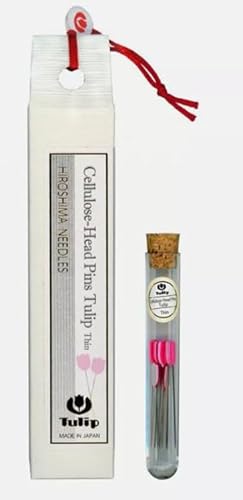
Tulip pins are manufactured with a level of quality control that is rarely seen in standard notions. The surface of these pins is polished to such a high degree that they encounter almost zero resistance when passing through dense, bulky wool textures.
If you have ever felt your hand cramp from pushing pins into thick fabric, you will notice the difference with these immediately. They require very little force to pierce through multiple layers of heavy-duty wool.
Because they are so smooth, they can sometimes slip out of very loose, airy knits. Pair these with a light touch, and avoid using them for heavy, sagging pieces that require a high-tension anchor.
Singer Heavy-Duty T-Pins for Bulky Seaming

T-Pins are not your typical sewing pins, but they are an absolute necessity for the knitter working with heavy wools. Their unique shape provides a T-bar handle that makes them easy to push, pull, and secure in thick, bulky seams.
These are my go-to choice when I am blocking a heavy, cabled wool sweater that needs to be stretched and pinned firmly to a blocking board. The T-shape allows you to anchor the pin into the board without it tilting or falling over.
Be aware that these are significantly thicker than standard pins. Only use them in seam allowances or areas where the fabric will be hidden, as they will definitely leave a temporary mark on your knitting.
Collins Extra-Long Ball Point Pins for Knits
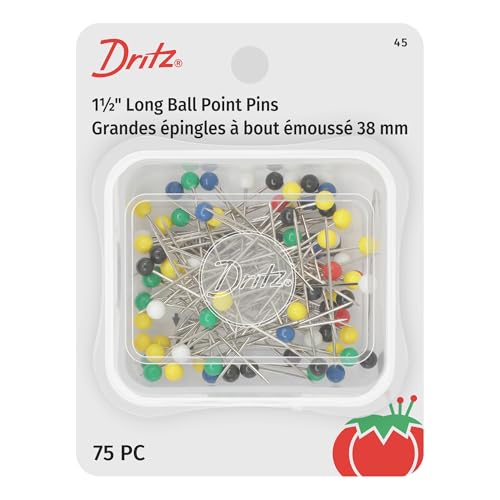
Ball point pins are specifically engineered to slide between loops of yarn rather than piercing the fiber itself. When you are working with a thick, multi-ply wool, these pins help prevent the dreaded "snagging" that can ruin a project.
The rounded tip acts as a guide, pushing the yarn strands aside as it enters the fabric. This is a game-changer for knitters who are nervous about damaging their work during the seaming process.
They are not as sharp as traditional quilting pins, so they may struggle with extremely dense, felted wool. Use them when you need to pin through the knitted structure itself, rather than through dense seam allowances.
Prym Extra-Long Glass Head Pins for Stability
Prym pins are the reliable, steady choice for everyday knitting projects. Their extra-long shaft provides the necessary reach for thick wools, while the glass head ensures they can withstand the heat of a steam iron during the blocking process.
These pins are stiff enough to hold their shape even when pinned through three or four layers of wool. They don’t bend easily, which gives you confidence when you are pinning heavy sleeves or collars into place.
The tradeoff here is that they are not as fine as the Bohin or Clover options. They are best kept for structural pinning rather than delicate adjustments where you want to avoid leaving any trace of the pin behind.
Anatomy of a Pin: Gauge and Length Explained
The gauge of a pin refers to its thickness, while the length determines how much fabric it can hold. For thick wool, you generally want a higher gauge (thicker pin) for structural support and a longer shaft to navigate the loft of the fiber.
If you choose a pin that is too thin, it will bend the moment it hits the resistance of the wool. If you choose one that is too thick, you risk creating large holes in your yarn.
A good rule of thumb is to match the pin gauge to the weight of your yarn. Use finer pins for fingering weight and thicker, longer pins for bulky, chunky, or roving-style yarns.
Why Sharpness Matters When Pinning Heavy Wool
Sharpness is the difference between sliding through a stitch and forcing your way through it. A dull pin will push against the fibers, potentially snapping them or causing the yarn to pill as it is forced through the fabric.
When a pin is sharp, it acts like a needle, finding the path of least resistance between the plies of the yarn. This preserves the structural integrity of your knit and ensures that your seams look seamless rather than puckered.
Always check your pins for burrs or blunt tips before starting a project. If a pin catches on the wool, discard it immediately; a small snag can quickly turn into a dropped stitch or a noticeable hole in your finished garment.
Best Practices for Pinning Thick Seams Safely
When pinning thick wool, always insert your pins at an angle to the seam line. This creates a "locking" effect that keeps the layers from shifting while you are sewing or grafting.
Avoid over-pinning your work, as too many pins can cause the fabric to distort and stretch unevenly. Focus on pinning the critical points first—the corners, the armhole notches, and the center of the seam—before filling in the gaps.
Finally, always remove your pins as you go. Leaving pins in a thick wool garment for an extended period can leave permanent indentations or cause the metal to react with the wool if it is damp, potentially causing rust spots.
Finding the right pin is a small but critical step in elevating your knitting from a pile of pieces to a professional-looking garment. Whether you prioritize the glide of a polished pin or the structural hold of a T-pin, your choice should always respect the unique loft and weight of your wool. Take your time to test a few options on a swatch before committing to your final seam. With the right tools in your kit, you will find that even the bulkiest wools become a joy to manipulate and construct.