6 Best Knit Blockers For Seamless Finishing
Achieve professional results with our top 6 knit blockers. Discover the best tools to ensure uniform, seamless finishes for all your handmade projects today.
Every knitter knows that the magic of a handmade garment often happens after the final bind-off, during the transformative process of blocking. Proper blocking evens out uneven stitches, opens up delicate lace patterns, and ensures your hard work fits exactly as intended. While many beginners start with basic T-pins, graduating to dedicated knit blockers can drastically improve the consistency and speed of your finishing work. This guide explores the best tools on the market to help you achieve that elusive, professional-grade finish.
Cocoknits Knitter’s Block: The Premium Gold Standard
The Cocoknits system is widely considered the gold standard because it treats blocking as an organized, repeatable process rather than a messy chore. These blockers feature a unique, ergonomic design that is easy on the hands, which is a major benefit if you are blocking multiple swatches or a large garment.
The system includes a grid-marked board that takes the guesswork out of measuring. When you are trying to block a sweater to exact schematic dimensions, having a built-in grid is a game-changer.
Because the pins are integrated into the plastic housing, you save time by not having to manually space out individual pins. It is a premium investment, but for those who finish projects regularly, the efficiency and precision are well worth the cost.
Clover Knit Blockers: Best For Precise Tensioning


Clover’s blockers are a favorite among knitters who prioritize consistent tension across long, straight edges. Their design uses multiple sharp pins embedded in a single plastic bar, which allows you to anchor a large section of fabric in one motion.
These are particularly effective for blocking scarves or the side seams of a cardigan. By applying tension across a wider surface area, you avoid the "scalloped" edge effect that often happens when you use individual pins spaced too far apart.
The plastic is durable and smooth, meaning it won’t snag delicate fibers like mohair or silk. If you find yourself struggling to keep your edges straight, these blockers provide the structural support necessary for a clean, professional line.
Knitter’s Pride Knit Blockers: Sturdy And Reliable

Knitter’s Pride offers a robust solution that feels substantial in the hand. These blockers are designed for knitters who work with heavier weight yarns, such as worsted or bulky wools, which require more force to stretch and set into shape.
The pins are notably sharp and long, allowing them to penetrate deep into thick blocking mats. This is essential if you are working with dense, multi-ply yarns that have a strong memory and need to be held firmly in place while drying.
While they are excellent for heavy-duty tasks, they remain versatile enough for lighter projects. If you want a "buy it once" tool that can handle everything from a light fingering-weight shawl to a heavy cabled blanket, these are a reliable choice.
HiyaHiya Stainless Steel Blockers: Durable Choice

If you are concerned about rust—a common nightmare when blocking light-colored wools—the HiyaHiya stainless steel blockers are your best defense. Unlike nickel-plated pins, these will not corrode or leave unsightly marks on your finished fabric.
Stainless steel is inherently strong, meaning these pins won’t bend even when you are applying high tension to rigid fibers like linen or cotton. These fibers have very little elasticity, so they require significant force to "train" them into the desired shape.
These are a professional-grade tool for the serious maker. While they lack the ergonomic plastic handle of some other brands, the sheer durability and peace of mind they offer regarding fiber safety make them a staple in many professional studios.
Boye Plastic Knit Blockers: Best Budget Option
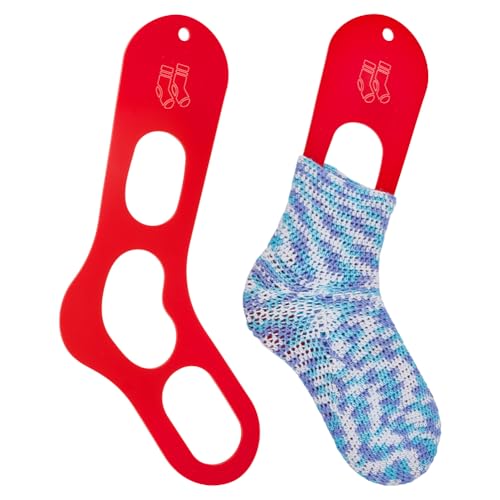
Boye provides a functional and accessible entry point for knitters who are just beginning to experiment with blocking. These plastic blockers are lightweight and come at a price point that makes it easy to stock up on multiple sets for larger projects.
They are ideal for beginners who are still learning how much tension their yarn can handle. Because they are less aggressive than heavy-duty metal combs, they are less likely to accidentally distort delicate stitches if you pull too hard.
While they may not last a lifetime like stainless steel, they perform the job perfectly for standard acrylic or wool blends. For the knitter who wants to improve their finish without breaking the bank, Boye is a reliable, no-nonsense choice.
KnitIQ Blocking Combs: Best For Large Projects

KnitIQ blocking combs are designed for the ambitious project—think oversized lace shawls or intricate heirloom blankets. These combs allow you to cover significant distance with a single placement, which significantly reduces the time spent pinning.
The key advantage here is the ability to create perfectly straight lines over long distances. If you are blocking a geometric shawl, you can align the combs to create sharp, crisp points that define the lace pattern beautifully.
They are particularly useful for blocking superwash wool, which tends to grow significantly when wet and requires a lot of pinning to hold its shape. With these combs, you can secure the entire perimeter of a large piece in minutes rather than hours.
Why Blocking Is Essential For A Professional Finish
Blocking is the bridge between a "homemade" look and a "hand-knit" look. When you knit, your stitches are often uneven due to changes in tension, needle friction, and the natural resting state of the fiber.
Blocking relaxes the yarn, allowing the fibers to bloom and fill in the gaps between stitches. This is especially important for stranded colorwork, where the yarn floats can sometimes pull the fabric tight and cause puckering.
- Evenness: Smooths out irregular tension from your knitting needles.
- Drape: Softens the fabric, especially in plant-based fibers like cotton or bamboo.
- Dimensions: Ensures your garment matches the measurements in your pattern.
- Stitch Definition: Makes lace patterns open up and pop visually.
How To Choose Between Combs And Individual Pins
The choice between combs and individual pins depends entirely on the shape and complexity of your project. Combs are superior for straight edges and large, repetitive shapes, as they provide uniform tension across the fabric.
Individual pins, however, are indispensable for curves, such as armscyes, necklines, or circular shawls. You need the flexibility of individual pins to follow the organic shape of the garment without forcing it into a straight line.
- Use Combs for: Scarves, rectangular shawls, sweater side seams, and blankets.
- Use Individual Pins for: Sleeves, necklines, circular lace shawls, and complex garments.
- Pro Tip: Most experienced knitters keep both on hand, using combs for the main body and pins for the tricky bits.
Essential Tips For Blocking Lace And Colorwork
Lace requires aggressive blocking to reveal its design. You must pin out the points firmly, but be careful not to overstretch the yarn until it becomes thin and brittle; aim for the intended dimensions of the pattern.
Colorwork, on the other hand, requires a more delicate touch. You want to relax the fabric without distorting the motif, so focus on getting the garment flat and even rather than stretching it to its absolute limit.
- Test for Colorfastness: Always check if your yarn bleeds in water before soaking a multi-colored project.
- Use the Right Mat: Ensure your blocking mat is heat-resistant if you plan to use steam.
- Don’t Rush: Let the project dry completely on the pins before removing them to ensure the shape "sets."
Caring For Your Blocking Tools For Longevity

To keep your blocking tools in top condition, always ensure they are completely dry before storing them. Even stainless steel can develop residue if stored in a damp environment, so a quick wipe-down with a microfiber cloth is good practice.
If you use plastic blockers, avoid storing them in direct sunlight for extended periods, as UV rays can cause the plastic to become brittle over time. Keep them in a dedicated case or box to prevent the pins from bending or getting lost.
Finally, periodically check the tips of your metal pins for any burrs or rough spots that could snag your yarn. If you find a rough pin, a quick pass with a fine-grit emery board will smooth it right out, keeping your tools safe for your most delicate fibers.
Investing in the right blocking tools is one of the most rewarding upgrades you can make for your knitting practice. Whether you choose the precision of combs or the versatility of individual pins, the goal is to make the finishing process as enjoyable as the knitting itself. By choosing tools that suit your specific projects and fiber preferences, you ensure that every garment you create reaches its full potential. Happy blocking, and may your stitches always be perfectly aligned.