7 Best Plastic Trays For Resist Dyeing Techniques
Discover the 7 best plastic trays for resist dyeing. Our guide compares durability and depth to ensure your fabric projects achieve professional, clean results.
Mastering resist dyeing techniques requires more than just high-quality pigments; it demands the right vessel to contain your creative chaos. Whether you are creating intricate shibori patterns on silk or immersion dyeing superwash wool, the container you choose directly impacts your success. As a knitter who has spent two decades obsessing over color, I know that the right tray can make the difference between a crisp resist line and a muddy, bleeding mess. Here is how to select the perfect plastic tray to elevate your fiber arts practice.
Sterilite 16-Quart Clear Storage Box: Best Overall


This box hits the "Goldilocks" zone for most knitters. It is deep enough to hold a significant amount of dye bath without splashing, yet narrow enough to fit comfortably on a standard kitchen counter or craft desk.
The clear plastic is a major advantage here. It allows you to monitor your yarn saturation from the side, which is crucial when you are trying to ensure that a dense, multi-ply yarn has absorbed color evenly throughout the twist.
Because these are inexpensive and widely available, you can easily dedicate one to specific color families. Keep your blues and greens in one and your deep reds or purples in another to avoid accidental cross-contamination.
Cambro Camwear Food Pans: Best for Professional Use
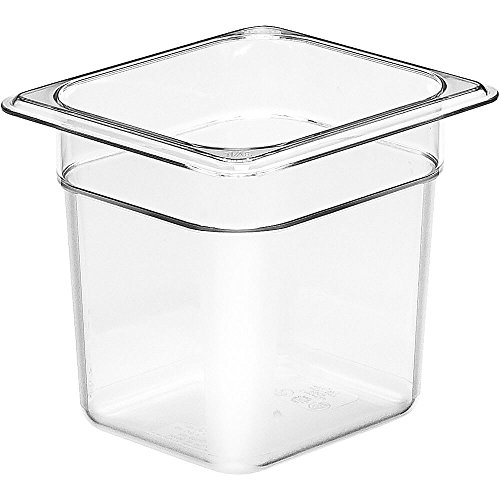
If you are scaling up your dyeing practice to produce yarn for a small business, standard storage bins won’t cut it. Cambro pans are the industry standard for a reason; they are virtually indestructible and heat-resistant.
When you are working with acid dyes that require heat-setting on the stovetop or in an oven, these pans provide peace of mind. They won’t warp under high temperatures, ensuring your dye bath stays level and your yarn doesn’t shift unexpectedly.
The trade-off is the price point and the weight. These are significantly heavier and more expensive than household storage bins, making them an investment for those who are truly committed to the craft.
Rubbermaid Commercial Bus Box: Best for Large Batches

When I am dyeing a sweater’s worth of yarn—perhaps a bulky-weight wool that takes up significant volume—I reach for a bus box. These are designed for heavy-duty use in restaurants, meaning they can handle the weight of saturated fiber without bowing.
The wide, open surface area is perfect for laying out long lengths of yarn for gradient dyeing. You want to avoid crowding your fiber, as tight bundles often lead to uneven color distribution or "white spots" where the dye couldn’t penetrate.
These boxes are also incredibly easy to clean. Their smooth, rounded corners prevent dye particles from getting trapped, which is essential when you are switching between drastically different color palettes.
Iris USA Modular Stacking Bins: Best for Small Spaces

Living in a small apartment shouldn’t stop you from experimenting with color. These modular bins are designed to stack, allowing you to create a vertical dyeing station that occupies a tiny footprint in your studio.
I find these particularly useful when working on small, intricate resist projects like individual skeins of lace-weight mohair. You can dedicate one bin to each color, keeping your workspace organized and preventing the "dye puddle" disaster that often happens on crowded tables.
Be mindful that these are usually smaller and shallower than standard bins. They are excellent for immersion dyeing, but they aren’t the best choice if you are planning to manipulate large amounts of fabric or heavy-weight wool.
E-Z Ink Plastic Serving Trays: Best for Low Profiles

Sometimes you don’t need a deep tank; you need a flat, shallow surface for tray dyeing or "snow dyeing." These serving trays offer a flat bottom that keeps your yarn in constant, even contact with the dye.
This is the preferred method for creating those variegated, variegated colorways that look like a painter’s canvas. By using a shallow tray, you have better control over where the dye sits, allowing for more intentional, artistic placement of color.
Since these aren’t deep, they aren’t suitable for large-batch immersion dyeing. Use them for your finer, more delicate work where precision and control are more important than volume.
Akro-Mils Pro-Box Containers: Best for Durability

If you are the type of knitter who is hard on their gear, the Akro-Mils Pro-Box is your best friend. These are built with reinforced walls and heavy-duty latches that stand up to the rigors of a busy craft room.
The durability factor matters because, over time, plastic can develop micro-scratches from stirring with glass rods or metal tongs. These scratches hold onto old dye, which can eventually ruin a future batch of light-colored yarn.
The high-quality plastic used in these containers is less prone to that kind of degradation. While they are a bit more industrial in appearance, they provide a long-term solution for the serious dyer.
Sterilite Large Clip Box: Best for Hand-Dyed Skeins
When you are only working on one or two skeins of fingering-weight sock yarn, a massive storage bin is overkill. The Sterilite Clip Box is perfectly sized for small, focused projects, keeping the dye bath concentrated and effective.
The locking clips are a nice touch, especially if you need to transport your project or store it away safely while the dye is setting. It keeps the lid secure, preventing dust or debris from settling into your wet yarn.
Because of the smaller volume, you will use less dye and less water, which is a more sustainable approach for hobbyists. It is the perfect tool for beginners who want to test their skills without committing to large-scale equipment.
Essential Features for Resist Dyeing Plastic Trays
When shopping for your next tray, look beyond the price tag and consider the geometry of the container. A flat, level bottom is non-negotiable; if your tray bows, your dye will pool in the center, leading to uneven results.
- Non-porous surfaces: Ensure the plastic is smooth to prevent staining.
- Chemical resistance: Verify the plastic is safe to use with citric acid or vinegar.
- Size-to-fiber ratio: Always choose a tray that allows your yarn to move freely.
- Ease of cleaning: Avoid containers with complex ridges or tight corners.
Remember that the goal is to create a controlled environment for your fiber. If the container makes it difficult to submerge your yarn fully, you will struggle to achieve consistent, professional-looking results.
How to Prevent Plastic Staining During Dyeing Tasks
Even the best plastic will eventually show signs of wear, but you can delay staining significantly. Always rinse your tray thoroughly with cool water immediately after you finish your dyeing session to remove residual pigment.
If you are working with intense colors like deep indigos or vibrant reds, consider lining your tray with a sheet of heavy-duty plastic wrap. This creates a barrier between the dye and the tray, making cleanup as simple as tossing the film in the trash.
Avoid using abrasive scrubbers when cleaning your trays. Scratches act like a sponge for dye, and once the plastic is compromised, it will act as a "contaminant" that can bleed into future, lighter-colored projects.
Cleaning and Maintaining Your Dyeing Equipment
Treat your dyeing trays with the same respect you give your favorite needles. I suggest keeping a dedicated sponge and a mild, bleach-free detergent specifically for your dyeing tools to avoid accidental chemical reactions.
For stubborn stains that refuse to budge, a paste made of baking soda and water can work wonders. Apply it gently, let it sit for a few minutes, and wipe it away; this is usually enough to lift most surface-level dye residue.
Always ensure your trays are completely dry before storing them away. Moisture trapped in a closed container can lead to mildew, which is the last thing you want near your precious hand-dyed yarn.
Selecting the right plastic tray is a foundational step in your journey toward becoming a confident dyer. By choosing equipment that matches your specific project needs—whether it is a small clip box for a single skein or a robust bus box for large batches—you set yourself up for success. Remember that your tools are there to serve your creativity, so prioritize durability, ease of cleaning, and the right size for your fiber. Happy dyeing, and may your colors always turn out exactly as you envisioned.