6 Best Blocking Sprays For Shape Retention To Try
Keep your knitwear looking pristine with our top six blocking sprays. Discover the best formulas to ensure lasting shape retention and professional results.
Every knitter knows that the magic of a project truly happens the moment it touches water for the first time. Blocking is the final, essential step that transforms a bunch of loopy, uneven stitches into a professional-looking garment. Choosing the right wash or spray can make the difference between a sweater that holds its structure and one that sags after a single wear. Here are the top products to help you achieve that perfect, long-lasting finish.
Eucalan Delicate Wash: Best For Shape Retention
Eucalan is the gold standard for many of us because it contains lanolin, which acts as a natural conditioner for wool fibers. When you soak your finished piece in this, the lanolin replenishes the fiber, helping it "remember" its intended shape.
It is particularly effective for garments that need a bit of structural support, like a cabled sweater or a structured vest. Because it is a no-rinse formula, you avoid over-handling the wet fabric, which is when fibers are at their most vulnerable to stretching.
The trade-off here is the slight scent, which some knitters find polarizing. If you prefer your knitwear to be completely neutral, you might find the lingering fragrance a bit much, though it does fade significantly once the garment is fully dry.
Soak Wash Rinse-Free: Best For Gentle Fibers


Soak is perfect for those delicate lace shawls or fine-gauge silk blends that you are terrified of ruining. Its formula is incredibly gentle and requires absolutely no rinsing, which saves you from agitating the fibers under a faucet.
I recommend this for projects where you want the drape to be soft and fluid rather than stiff. It cleans effectively without stripping the natural oils from the yarn, preserving the integrity of the twist in your plied yarns.
However, because it is so gentle, it might not be the best choice for heavily soiled items or those that have been sitting in a project bag for years. Use it for your finished, clean-enough garments that just need a quick refresh and a proper blocking session.
The Laundress Wool & Cashmere: Best For Luxury
If you have invested in high-end fibers like cashmere, alpaca, or angora, this is the product you want on your shelf. It is formulated specifically to protect the delicate scales of luxury animal fibers, keeping them soft and preventing matting.
Using this wash feels like a spa treatment for your knitting. It maintains the "halo"—that soft, fuzzy aura around the yarn—without making the fiber feel heavy or weighed down by residue.
Be aware that it is a premium product with a price tag to match. It is not something I would use for a basic wool-acrylic blend blanket, but for that heirloom-quality cardigan you spent months working on, it is worth every penny.
Kookaburra Wool Wash: Best For Natural Fibers

Kookaburra is a tea-tree oil-based wash that is excellent for those who are sensitive to synthetic fragrances. It is highly effective at cleaning and deodorizing, making it a go-to for vintage yarn finds or hand-me-down sweaters.
The tea tree oil provides a natural antimicrobial benefit, which is great if you are blocking items that will be stored away for the season. It helps keep the fibers fresh and deters pests, which is a major bonus for wool lovers.
The smell is distinct and medicinal, which some knitters love for its "clean" association. If you are sensitive to strong scents, you might want to test a small sample before committing to a full bottle.
Unicorn Fiber Wash: Best For Heavy Blocking
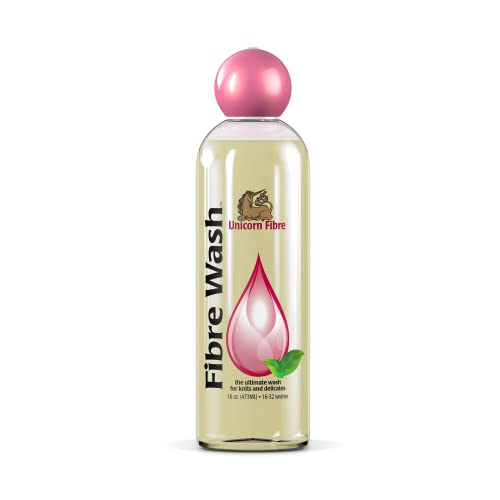
Unicorn Fiber Wash is a powerhouse for knitters who need to do some serious "coaxing" of their stitches. It is particularly good if you have a garment that came off the needles a bit too tight and needs to be stretched into a larger, more comfortable shape.
This wash helps the fibers relax fully, allowing you to pin them out with more success. It is highly concentrated, so a little bit goes a long way, making it a practical choice for those of us with a massive queue of finished objects.
Because it is so effective at relaxing fibers, be careful not to over-stretch. If you are blocking a garment that you want to be very fitted, monitor your pinning closely so you don’t end up with a piece that is permanently larger than you intended.
Eucalan Lavender Scent: Best For Freshness

This is the classic Eucalan formula with a lovely, calming lavender essential oil added to the mix. It is perfect for those who want their finished knits to have a subtle, soothing aroma that lasts through the storage months.
Lavender is naturally moth-repellent, which is a wonderful practical benefit for your woolens. It combines the structural benefits of the original lanolin-rich formula with a scent that feels like a clean, cozy home.
If you are gifting your knits, this scent is generally a crowd-pleaser. However, always check with the recipient first, as some people have strong allergies or sensitivities to essential oils, even natural ones.
Why Blocking Sprays Improve Your Finished Knits

Blocking is not just about making a garment look pretty; it is about evening out your tension. Even the most experienced knitters have slight variations in their stitches, and blocking allows those stitches to settle into a uniform grid.
It also helps to "marry" the yarn and the pattern. For example, if you are knitting lace, the stitches will look like a tangled mess until you block them; the blocking process opens up the yarn overs and reveals the intended design.
Ultimately, blocking provides a professional finish that separates a "homemade" look from a "handmade" one. It turns a collection of knitted loops into a cohesive, draped piece of fabric that is ready to be worn.
Understanding Fiber Memory and Shape Retention
Fiber memory is the ability of a yarn to return to its original state after being stretched or manipulated. Animal fibers, particularly wool, have excellent memory, while plant fibers like cotton or linen have very little.
When you block, you are essentially asking the fibers to hold a new position. If your yarn has high memory, it will resist this change, which is why you often need to pin it firmly and let it dry completely before removing the pins.
If you are working with a low-memory fiber, you might find that the garment grows significantly after washing. In these cases, choosing a wash that helps the fibers "set" is crucial to maintaining the garment’s integrity over time.
How to Properly Block Your Hand Knitted Garments
- Fill a basin with lukewarm water and a small amount of your chosen wash.
- Submerge the garment gently, pressing down to ensure the water penetrates the fibers without agitating them.
- Soak for 15-20 minutes to allow the fibers to fully relax and absorb the treatment.
- Remove and squeeze out excess water by rolling the garment in a thick, dry towel; never wring or twist.
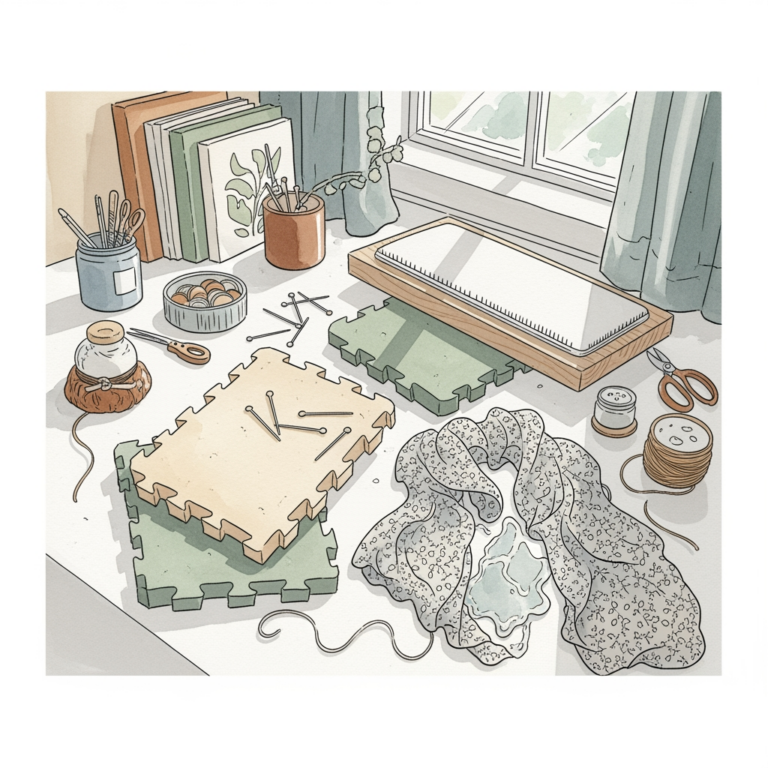
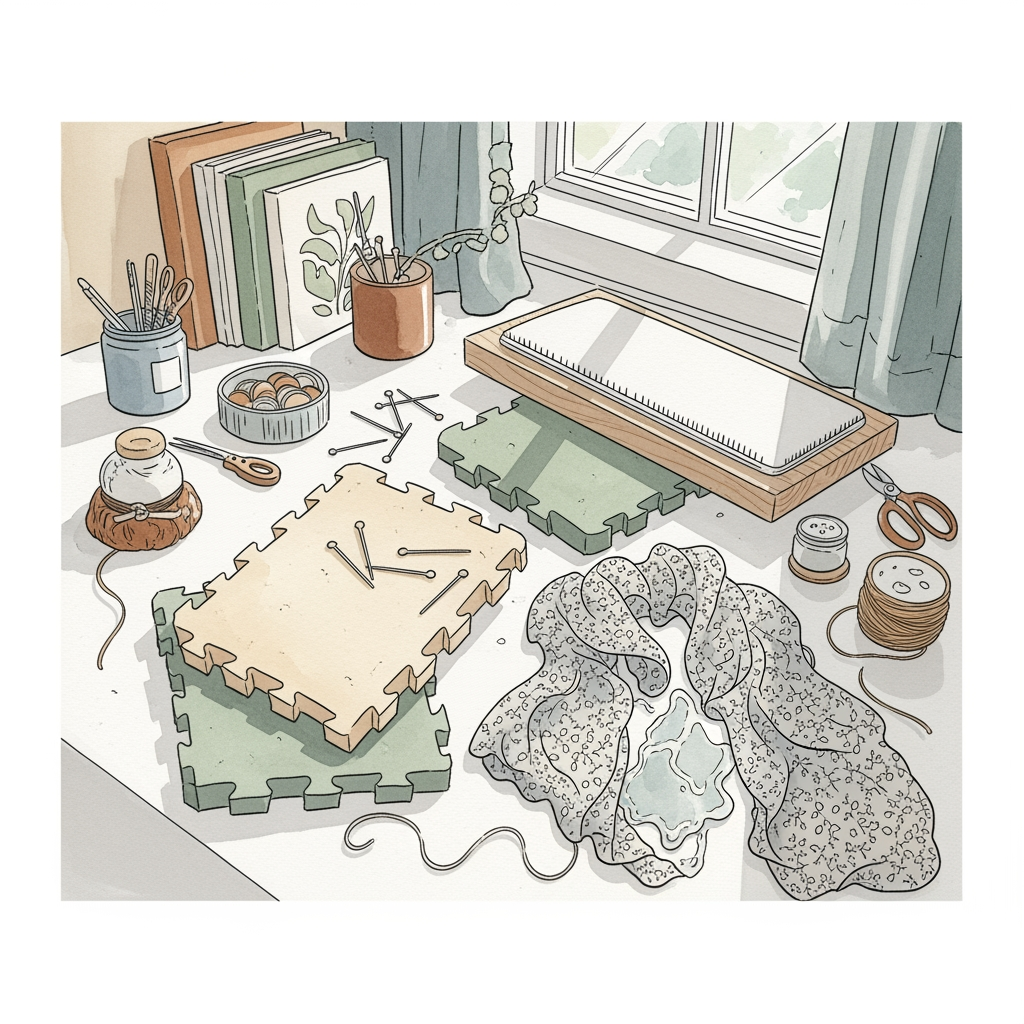
- Lay flat on a blocking mat, using rust-proof pins to shape the garment to your desired measurements.
Essential Blocking Tools for Every Skill Level

- Blocking Mats: Interlocking foam tiles are essential for pinning down large garments.
- Rust-Proof T-Pins: Never use regular pins, as they will rust and stain your hard work.
- Blocking Wires: These are a game-changer for shawls and scarves, creating perfectly straight edges.
- Measuring Tape: Always measure your garment against your schematic while it is pinned out.
- Towel: A plain, white, lint-free cotton towel is best for the rolling-and-squeezing method.
Blocking is the final act of love we give to our knitting, turning hours of labor into a finished piece of wearable art. By selecting the right wash for your specific fiber, you ensure your garment stays beautiful for years to come. Take your time with this step, be patient with the drying process, and enjoy the transformation. Your stitches will thank you for it.