7 Best Interlocking Foam Tiles For Lace Shawls
Discover the 7 best interlocking foam tiles for blocking lace shawls. Learn which durable, grid-lined surfaces ensure precision and perfect shaping results.
Blocking is the final, transformative step that turns a crumpled piece of knitting into a professional-looking lace masterpiece. Without a reliable set of interlocking foam tiles, you risk uneven edges and distorted stitch patterns that ruin your hard work. Choosing the right surface ensures your pins stay secure and your lace opens up exactly as the designer intended. Here are the seven best options to help you achieve that perfect, airy drape.
Knitter’s Pride Lace Blocking Mats: Best Overall
These mats are a staple in my studio because they are specifically engineered for the lace knitter’s needs. The surface is dense enough to hold T-pins firmly, yet soft enough to allow for easy insertion without bending your pins.
What sets these apart is the generous size and the inclusion of a grid. Many cheaper mats lack a consistent pattern, making it difficult to ensure your shawl is symmetrical. With these, you can align your center spine and points with mathematical precision.
The trade-off here is the initial investment, as they are priced higher than generic craft store foam. However, for a knitter who spends forty hours on a complex Shetland lace shawl, the peace of mind is worth every penny.
Susan Bates Knit Chek Foam Mats: Best for Value


If you are just starting your lace journey, you don’t necessarily need the most expensive equipment on the market. These tiles offer a functional, no-frills surface that gets the job done without breaking the bank.
They are lightweight and easy to store, which is ideal if you live in a small apartment or share your craft space with others. While they aren’t as thick as professional-grade mats, they provide enough depth for standard T-pins to hold steady.
Be aware that these mats can show wear and tear faster than premium versions. If you are blocking heavy wools or projects with extreme tension, you might find the foam indentations become permanent over time.
Boye Interlocking Blocking Tiles: Best for Travel
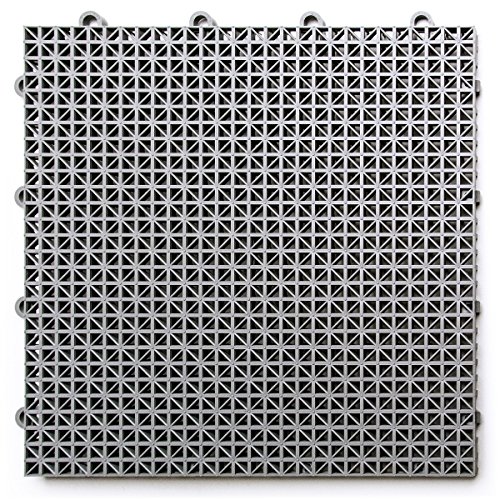
I often recommend these to knitters who travel to workshops or retreats and need to block a project on the go. They are incredibly compact and lightweight, making them easy to tuck into a suitcase without adding significant bulk.
The interlocking mechanism is quite secure, which is essential when you are working on a hotel bed or a small table. You won’t have to worry about the tiles shifting while you are in the middle of pinning out a delicate mohair triangle.
The downside is that they are thinner than most alternatives. You will need to be careful not to push your pins all the way through to the surface underneath, especially if you are working on a wooden dining table.
Clover Locking Blocking Mats: Best Grid Design

Clover is famous for their attention to detail, and these mats are no exception. The printed grid is crisp, clear, and extremely accurate, which is a lifesaver when you are trying to match the wingspan of a shawl’s two sides.
The material used here is slightly more resilient than standard craft foam. It resists "pitting," where the foam loses its shape after repeated use, which means your grid will remain readable for years to come.
While the grid is the star, the tiles themselves are also very easy to clean. If you accidentally spill a bit of blocking fluid or water on them, a quick wipe keeps them in pristine condition for your next blocking session.
Darice Foam Blocking Boards: Best Basic Option

Sometimes, you simply need a large, flat surface that doesn’t cost a fortune. These boards are the workhorses of the knitting world, providing a massive area for a very low cost.
They are essentially standard foam tiles, so don’t expect specialized features or extra-thick density. However, they serve their purpose perfectly if you have a massive circular shawl that requires a large footprint.
Because they are so basic, I suggest using them on a floor or a large table where you don’t mind the lack of a grid. If you need precision, you can simply lay a tape measure across the surface to guide your pinning.
Lacis Blocking Tiles: Best for Large Projects
When you are tackling a massive, heavy wool project like a full-sized Afghan or a complex lace wrap, you need stability. Lacis tiles are known for their thickness, which provides a solid, immovable base for heavy-duty pins.
The density of the foam is the standout feature here. It grips the pins tightly, ensuring that even if you have a lot of tension on the yarn, the pins won’t pop out or lean over.
This is a great choice for knitters who work primarily with heavier fibers like worsted-weight wool or alpaca. They are a bit bulkier to store, so ensure you have the closet space before committing to a large set.
ArtBin Foam Blocking Tiles: Best Firm Surface
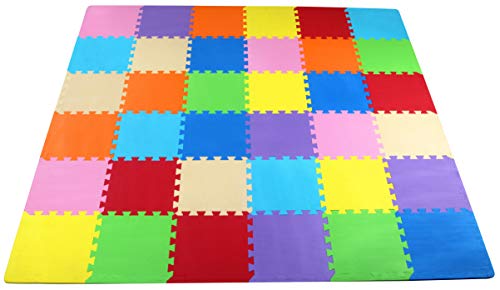
ArtBin tiles offer a unique texture that feels more like a professional cutting mat than standard craft foam. This firmness is excellent for blocking lace that requires very sharp, defined points.
Because the surface is so firm, your pins go in straight and stay there. You won’t deal with the "wobble" that occurs with softer, cheaper foam when you are trying to stretch a delicate lace edge.
The trade-off is that they require a bit more pressure to pin into. If you have arthritis or hand sensitivity, you might find these slightly more taxing than the softer, more porous foam mats.
Why Proper Blocking Is Essential for Lace Shawls
Blocking is the process of wetting your finished garment and pinning it to shape to "set" the stitches. For lace, this is non-negotiable; it opens up the yarn-overs and decreases to reveal the intended pattern.
Without blocking, your lace will look like a tangled, dense mess of loops. Once blocked, the fabric gains the drape and airy quality that makes lace knitting so visually striking.
Think of blocking as the "finishing touch" that validates the hours you spent counting stitches. It also helps to even out your tension, hiding those small errors that occur when you are tired or distracted.
How to Choose the Right Blocking Mat Thickness
Thickness is a critical factor because it dictates how deep your pins can go. A mat that is too thin will allow your pins to strike the table surface, which can damage both your furniture and the tips of your pins.
- 1/2 inch or less: Best for light, airy lace and travel.
- 3/4 inch to 1 inch: Ideal for general use and most wool projects.
- 1 inch+: Recommended for heavy fibers, large blankets, and extreme tension.
Always consider the weight of your project before selecting a thickness. A light lace shawl needs less support than a heavy, cabled wool piece that requires significant pinning force.
Essential Tips for Pinning Your Lace Projects
Always start at the center of your project and work your way out toward the edges. This ensures that the shawl remains balanced and that you don’t end up with one side longer than the other.
Use rust-proof T-pins to avoid staining your yarn, especially if you are using light-colored fibers. If you are blocking a delicate fiber like silk or alpaca, be gentle with the tension; you want to open the lace, not distort the stitch structure.
Finally, let your project dry completely before unpinning it. If you remove the pins while the fibers are still damp, the lace will likely shrink back or lose its crisp definition almost immediately.
Investing in a quality set of blocking mats is one of the smartest decisions a lace knitter can make. Whether you prioritize a precise grid or a firm, durable surface, there is an option here to suit your specific project needs. Take your time with the blocking process, and you will see your lace designs truly come to life. Happy knitting, and may your points always be perfectly symmetrical.