6 Best Archival Mist Sprays For Sealing Artwork
Protect your creative work with our top 6 picks for the best archival mist sprays. Choose the perfect sealant to preserve your art today—read our full review.
The culmination of a months-long lace shawl project often leaves a maker wondering how to protect the delicate fibers from environmental wear and tear. While traditional blocking is the gold standard for shaping, archival sprays provide an invisible shield against UV fading, dust, and atmospheric pollutants. Selecting the right sealant requires an understanding of how chemicals interact with natural proteins like wool or plant-based cellulose. Proper preservation ensures that thousands of stitches remain as vibrant and structurally sound as the day they were cast off.
Krylon UV-Archival Varnish: Best for All-Purpose


Krylon is the reliable workhorse of the studio, much like a steady set of bamboo needles that offers just enough grip for slippery alpaca blends. It is designed to resist yellowing over time, which is critical when working with white or light-toned wools that could otherwise discolor.
This spray forms a solid barrier against UV rays, making it an excellent choice for fiber art pieces intended for wall display. If a piece is destined to hang in a sun-drenched room, the UV protection helps prevent the fibers from becoming brittle and losing their saturation.
Keep in mind that this is a heavy-duty product meant for broad applications. It may be too stiff for a garment intended to drape closely against the skin, as it can alter the hand or “drape” of the textile significantly.
Golden Archival Varnish: The Professional’s Pick
Golden is widely regarded as the gold standard for those who demand consistency and archival longevity. It provides a sophisticated, even coat that avoids the cloudy buildup often seen with lower-quality sealants.
The formula is non-yellowing and flexible, which is a major advantage for textiles that might need to be folded or stored. Unlike rigid sealants that crack under tension, this varnish moves with the weave, protecting the fibers without sacrificing their integrity.
Consider this option for high-value heirloom projects where the preservation of original fiber color is paramount. While it represents a larger initial investment, the peace of mind regarding the structural stability of the yarn is well worth the cost.
Lascaux Fixativ: Top Choice for Delicate Media
Lascaux is the preferred choice for projects involving fragile, friable media or mixed-media fiber work. It provides an exceptionally light, breathable coating that does not interfere with the natural texture of the yarn.
If a project involves metallic threads, fragile silk, or delicate hand-dyed fibers, Lascaux ensures protection without creating a heavy, plastic-like sheen. It stabilizes the surface tension, preventing fibers from fraying or shedding over time.
Because it is so lightweight, it requires more precision during application to ensure even coverage. It is an ideal companion for delicate lace or intricate embroidery where preserving the “loft” and lightness of the stitch is as important as the protection itself.
Winsor & Newton Varnish: For Oil & Acrylic Art
Winsor & Newton brings a legacy of fine art precision to the table, excelling in situations where depth of color is the priority. While designed for paint, its ability to enhance the contrast in mixed-media fiber art is unmatched.
For makers who incorporate mixed media, such as painting directly onto felt or using stiffened yarn sculptures, this varnish provides a robust, professional finish. It deepens the saturation of dyes, making the colors pop with a professional-grade luster.
Use caution when applying this to pure, untreated natural fibers. The product is intended for more rigid substrates and may cause unwanted stiffening if applied too liberally to soft, high-twist yarns.
Mod Podge Clear Acrylic Sealer: Budget-Friendly
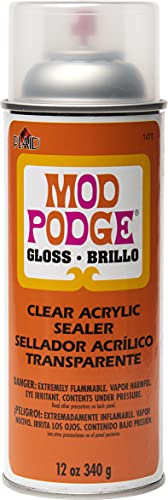
Mod Podge is a familiar staple for makers who need a cost-effective solution for craft-level projects. It is straightforward to use and widely accessible, making it the go-to for smaller items like felted ornaments or decorative fiber tassels.
While effective for light-duty protection, it lacks the advanced UV stabilizers found in professional-grade archival products. It is perfectly suited for items that are not exposed to direct, harsh sunlight or environmental pollutants for extended periods.
If the goal is to protect a simple project without breaking the bank, this sealer is a practical choice. However, reserve more expensive archival options for heirloom-quality pieces that require long-term atmospheric resistance.
Liquitex Soluvar Varnish: A Removable Solution
Liquitex Soluvar is unique because it is designed to be removable, providing an “undo” button for the meticulous maker. This is incredibly beneficial for projects where the long-term aesthetic may need to be refreshed after years of display.
If a textile piece accumulates dust or oils over a decade, the varnish can be carefully removed with appropriate solvents and reapplied. This feature is a game-changer for galleries and serious collectors who view art maintenance as a lifecycle process.
The removable nature of the product requires a bit more expertise in application and storage. Ensure that the storage environment is stable, as the same properties that allow for removal make the finish susceptible to extreme chemical environments.
How to Choose the Right Archival Spray for You
Selecting the correct spray is much like choosing the right needle size for a specific yarn weight—context is everything. First, evaluate the intended lifespan and display environment of the finished object.
- Display Location: High UV exposure requires UV-blocking formulas like Krylon or Golden.
- Fiber Sensitivity: Delicate silks or fine wools benefit from lighter sprays like Lascaux.
- Flexibility: Always prioritize flexible varnishes for items that will be handled, worn, or folded.
If a project involves natural fibers, always prioritize products labeled as “acid-free” and “archival.” Non-archival sprays can cause fibers to yellow or degrade, effectively undoing the hours of labor spent at the needles.
Gloss, Satin, or Matte: Which Finish is Best?
The choice of finish dictates the final visual impact of the piece. Matte is almost always preferred for fiber arts because it keeps the focus on the texture of the stitches rather than a distracting glare.
- Matte: Best for natural fibers, wool, and intricate lace; it provides an invisible, natural-looking layer of protection.
- Satin: Provides a subtle, sophisticated sheen that works well for silk or synthetic blends.
- Gloss: Should be used sparingly, usually reserved for sculptural or mixed-media fiber pieces that mimic glass or metallic surfaces.
Avoid gloss on soft, lofty yarns, as it can make them appear sticky or synthetic rather than soft and inviting. When in doubt, start with a matte finish to preserve the tactile nature of the textile.
Tips for Safe and Even Varnish Application
Proper application is the difference between a professional finish and a ruined project. Always work in a well-ventilated space, ideally outdoors or in a garage with high airflow, as these sprays contain volatile compounds.
Maintain a distance of 8 to 12 inches from the piece, moving the can in a continuous sweeping motion to avoid pooling. Like avoiding “tension spikes” in colorwork, consistent movement prevents the spray from accumulating in one area, which causes stiff, dark patches.
Apply multiple thin coats rather than one heavy layer to ensure even penetration and minimal alteration to the fiber’s hand. Allow ample drying time between coats, as trapped solvents can cause the varnish to remain tacky or attract dust.
Can You Use Sealing Sprays on Fabric or Fiber?
While archival sprays are designed for surfaces, they can be used on textiles with significant caveats. The primary risk is that the varnish fills the microscopic gaps between fibers, turning a soft, breathable fabric into a rigid, plastic-like sheet.
Only apply sprays to fibers if the piece is purely ornamental, such as a wall hanging or a stiffened lace sculpture. Never apply these sealants to garments, blankets, or any item that requires flexibility, as the sealant will crack as the fabric moves, creating a patchy, unsightly look.
Always conduct a patch test on a small, matching swatch—ideally one that has been blocked identically to the main project. If the swatch stiffens or loses its desired texture, the sealant is not appropriate for that specific fiber content.
Choosing the right archival spray is an investment in the longevity of your craft, ensuring that your hard work stands the test of time. By matching the properties of the sealant to the specific needs of your fiber, you provide an essential layer of defense against the elements. Whether for a delicate lace shawl or a structured felted piece, the right choice keeps your projects vibrant and intact for years to come.