6 Best Ventilation Masks For Powder Dye Safety
Protect your lungs while working with pigments. Discover the 6 best ventilation masks for powder dye safety and find the right respiratory protection gear today.
Powder dyes offer vibrant, deep saturation that immersion or kettle dyeing can’t always match, but they come with a hidden cost. These microscopic pigment particles remain airborne long after the dye pot is stirred, posing a serious inhalation risk to the lungs. Protecting one’s respiratory health is just as important as choosing the right fiber base or needle material for a delicate lace project. Investing in a quality mask ensures that a passion for color does not compromise the ability to keep knitting for years to come.
3M 8511 N95 Respirator: The Industry Standard


The 3M 8511 is a staple in many professional studios because of its reliable performance and straightforward design. It features an exhalation valve, which is critical when working in a warm dye studio or spending hours weighing out pigments for a large batch of gradient yarn.
The cool-flow valve prevents moisture buildup inside the mask, ensuring the eyewear remains clear while focusing on precise measurements. For those who frequently switch between small-batch kettle dyeing and large-scale fiber preparation, this mask provides a consistent, high-efficiency seal.
While it is a disposable model, the durability is impressive for the price point. It remains a top recommendation for knitters who occasionally dive into dye work but want the assurance of an industrial-grade filter.
Honeywell DF300 N95: Best Flatfold Design

Portability is a major advantage for knitters who work in shared spaces or temporary studio setups. The Honeywell DF300 features a unique flatfold design that allows the mask to be stowed easily in a project bag or tool kit without losing its structural integrity.
Because it folds flat, it stays cleaner when not in use and is less likely to be crushed under the weight of heavy cones of wool or yarn swifts. It maintains a secure seal around the nose and mouth, providing a comfortable, custom-fit experience without the bulk of a molded cup mask.
The internal lining is soft and moisture-wicking, which is a welcome feature during long dyeing sessions. If the goal is a mask that takes up minimal space between projects, this is the most practical choice.
3M 6000 Series Half Mask: For Serious Dyers
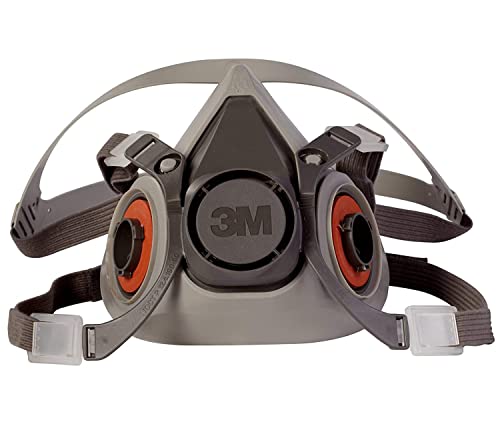
Professional studio environments require professional-grade protection. The 3M 6000 Series is a reusable half-face respirator that uses replaceable cartridges, offering a significantly higher level of filtration and comfort than any disposable option.
For knitters who dye regularly—perhaps stocking an online shop or preparing yarn for sweater quantities—this mask is a true investment. It creates a complete air-tight seal around the face, meaning no powder or aerosolized dye particles can reach the lungs.
The weight distribution is superior, reducing fatigue during long sessions of mixing and weighing dyes. While it requires an upfront investment and regular filter replacements, the long-term cost is lower for the frequent dyer.
GVS Elipse P100 Respirator: Low-Profile Comfort
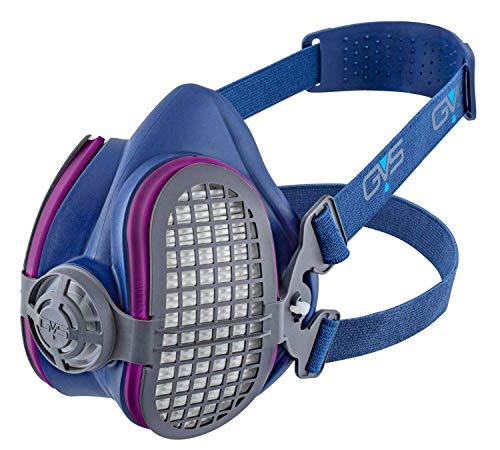
Visibility is paramount when working with precise color mixing and delicate yarn structures. The GVS Elipse P100 features a compact design that does not obstruct the line of sight, allowing for better focus on the dye vat.
The P100 filtration efficiency is higher than a standard N95, catching smaller particles that might escape lesser masks. Its slim profile also means it won’t bump against your tools or containers as you lean over the dye bath to check color saturation.
It is lightweight and flexible, making it the most comfortable option for long-term wear. If you struggle with the restrictive feel of standard respirators, the Elipse offers a much more natural experience.
RZ M2 Mesh Mask: A Comfortable & Reusable Pick

The RZ M2 Mask combines a durable mesh exterior with replaceable N95-rated filters, making it a favorite for those who prioritize breathability. It fits more like a garment than a clinical piece of equipment, which can make it easier to stick with a consistent safety routine.
The adjustable straps ensure a snug fit, preventing the gaps that often occur with standard paper masks. It is a fantastic choice for the knitter who wants a reusable option that feels less industrial and more like part of their daily studio apparel.
However, the filters do require periodic replacement to maintain efficacy. Keep a stash of fresh filters on hand so that safety isn’t sacrificed during a productive afternoon of dyeing.
Moldex 2200N95: Most Durable Disposable Mask
The Moldex 2200N95 is defined by its tough, shell-like construction that resists collapsing even in humid environments. When working with steam and water, standard paper masks often lose their shape; the Moldex holds its own, maintaining a consistent seal throughout the process.
The “Dura-Mesh” shell protects the filter media from dirt and grime, extending the usable life of the mask. It is an excellent middle-ground option for those who want the convenience of a disposable mask but find standard options too flimsy.
It offers a high level of protection without the complexity of a cartridge system. For those who want to grab a mask and get to work without worrying about fit-testing or maintenance, this is a dependable workhorse.
N95 vs. P100: Which Respirator Rating You Need
Understanding filter ratings is essential for lung health. An N95 rating indicates that the mask filters at least 95% of airborne particles, which is generally sufficient for non-oil-based dye powders.
A P100 rating, however, is oil-proof and provides a higher filtration efficiency of 99.97% of particles. If the dye workspace involves any oil-based chemicals or if there is a higher sensitivity to particulate matter, the P100 rating is the superior choice.
Most fiber artists find that an N95 is adequate for standard synthetic and natural dye powders. If you are mixing dyes frequently or using fine pigments, the P100 offers an extra layer of peace of mind.
How to Ensure a Proper and Safe Mask Seal
A mask is only effective if it creates an airtight barrier between the environment and the airway. Before starting any dye session, conduct a basic seal check: cover the filter with both hands and inhale sharply.
The mask should collapse slightly against the face. If air leaks around the edges—particularly near the bridge of the nose or under the chin—the straps need adjustment or the mask is not the correct size.
Facial hair can interfere with the seal of even the best respirators. For the most effective protection, ensure the skin is clean and the mask is positioned according to the manufacturer’s specific guidelines.
Caring for Your Reusable Dyeing Respirator
Reusable respirators require a disciplined maintenance schedule to remain safe. Always wipe down the face piece with an approved sanitizer after each use and store it in an airtight container or bag when not in use.
Never leave a mask out in the open where it can collect stray dye dust from the studio air. Periodically inspect the valves and straps for signs of wear, as cracks or stretching will compromise the protective integrity.
If the mask becomes difficult to breathe through, it is time to change the filters, regardless of how long they have been in use. Think of filter changes like replacing a dull rotary cutter blade; waiting too long makes the task harder than it needs to be.
Other Essential Safety Gear for Powder Dyeing
Respiratory protection is the priority, but it shouldn’t be the only safety measure in the dye studio. Nitrile gloves are mandatory to prevent skin absorption of pigments, which can be irritating or contain heavy metals.
Protective eyewear, such as chemical-resistant goggles, prevents airborne dust from irritating the eyes during the initial mixing stage. Always ensure the workspace is well-ventilated; a mask filters the air, but moving the air out of the room is the safest practice of all.
Consider keeping a dedicated “dye apron” to protect clothing from accidental spills. These simple steps turn a potentially hazardous hobby into a safe and sustainable practice for every fiber artist.
Protecting your lungs is a necessary investment in the longevity of your craft. By selecting the right mask for your specific workspace and maintaining it with care, you can ensure that your focus remains entirely on the beauty of your yarn.