6 Best Wool Wash Basins For Delicate Garments
Keep your woolens pristine with our top six wash basins. This guide evaluates durability and design to help you safely clean your most delicate garments.
Caring for hand-knitted wool requires more than just a gentle detergent; it demands the right environment to protect delicate structures. A dedicated basin prevents the harsh residue of kitchen cleaners from compromising your precious fiber. Whether you are washing a lace shawl or a heavy cabled sweater, the vessel you choose dictates the longevity of your work. Here are my top recommendations for keeping your knits in heirloom condition.
Eucalan Collapsible Basin: Best Overall Choice


This basin is designed specifically with the fiber artist in mind, offering a perfect depth for submerging bulky sweaters without wasting excess water. Its collapsible nature is a game-changer for those of us with limited studio space, tucking away neatly between blocking sessions.
The material is soft enough to avoid snagging delicate mohair or hand-dyed wool fibers, yet sturdy enough to hold a saturated garment. When your project is heavy with water, the structural integrity of this basin ensures it won’t buckle under the weight.
Bottom line: If you want a tool that understands the specific needs of wool, this is the gold standard for your laundry kit.
OXO Good Grips Dish Tub: Best Durable Option

If you frequently wash heavy wool coats or large-scale afghans, you need a basin that can handle significant weight without flexing. The OXO tub features wide, comfortable handles that make carrying a water-logged sweater to the bathtub much safer.
Its rigid construction is excellent for those who prefer to keep their basin in a permanent spot in the laundry room. Because the plastic is non-porous and thick, it won’t absorb any lingering scents from your wool wash, keeping your fiber-care process pristine.
The trade-off here is size; it does not collapse, so ensure you have the floor space before purchasing. It is an investment in durability for the lifelong knitter.
Rubbermaid Roughneck Basin: Best Budget Pick

You don’t need a fancy, branded tool to treat your wool with the respect it deserves. The Rubbermaid Roughneck is a classic for a reason: it is virtually indestructible and provides a deep, wide base that accommodates even the largest hand-knitted sweaters.
Many knitters overlook the importance of a wide base, but it’s essential for ensuring your garment lays flat while soaking. A cramped basin forces your wool into tight folds, which can lead to uneven agitation or unwanted creasing in the final blocking process.
For the price, you simply cannot beat the reliability of this basin. It is the workhorse of the laundry room.
Stojo Collapsible Bucket: Best Space Saver

For knitters living in apartments or those who travel with their projects, the Stojo bucket is a revelation. It collapses down to a mere two inches, making it easy to store in a project bag or a crowded closet.
While it is deeper than it is wide, it works exceptionally well for soaking smaller items like socks, mittens, or cowls. If you are a sock-knitter who prefers to wash pairs individually to ensure they don’t tangle, this is the perfect size.
Just be aware that its height-to-width ratio makes it less ideal for wide, flat lace shawls. Choose this for portability and small-project efficiency.
Joseph Joseph Wash&Drain: Best Modern Design
The integrated plug in this basin is its standout feature, allowing you to drain water without having to tip or lift a heavy, wet garment. This is a massive benefit for knitters with wrist or back sensitivity, as it minimizes the physical strain of moving water.
The design is sleek and modern, which is a nice bonus if your wash area doubles as a living space. It also features a built-in strainer, which helps catch any stray fiber bits or debris before they go down the drain.
It is a thoughtful, ergonomic choice for the knitter who values convenience. The integrated plug is worth the higher price point for the physical relief it provides.
Sterilite Multi-Purpose Basin: Best Value Set
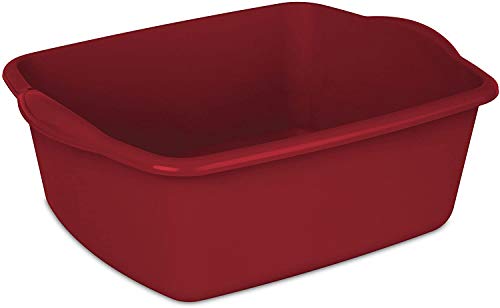
Sometimes you need more than one basin—perhaps one for soaking and one for rinsing. The Sterilite set offers an affordable way to stock your laundry station without breaking the bank.
These basins are lightweight and easy to stack, making them great for knitters who like to organize their supplies by project type. They aren’t as heavy-duty as the OXO options, but they are perfectly sufficient for standard-weight wools and cottons.
For the value-conscious maker, this set covers all the bases. It is the practical choice for those building a dedicated fiber-care station from scratch.
Why Dedicated Basins Protect Delicate Fibers
Using a kitchen sink or a bathroom basin is a common mistake that can lead to disaster for your hand-knits. Kitchen sinks often harbor food particles or grease residue that can damage the delicate proteins in wool fibers.
Even if you scrub your sink thoroughly, the surface material may have micro-abrasions that can snag a loose ply or a delicate lace yarn. A dedicated basin ensures your wool is submerged in a clean, neutral environment, free from chemicals or debris.
By keeping your washing tools separate, you protect your hard work from unnecessary damage. A dedicated basin is an insurance policy for your knitting.
Essential Tips for Safely Soaking Wool Knits
Always fill your basin with water before adding the garment to ensure the temperature is consistent throughout. Adding hot water directly onto a wool item can cause immediate, irreversible felting, especially with non-superwash fibers.
Use a gentle, wool-specific soak and stir it into the water until it is fully dissolved before submerging your piece. Never pour soap directly onto the fabric, as the concentrated chemicals can cause spotting or uneven fiber stress.
Submerge the garment gently, pushing it down until it is fully saturated. Let it soak for at least 15 to 20 minutes to allow the fibers to relax and the soap to do its work.
How to Properly Rinse Hand-Knitted Garments
Rinsing is where most knitters accidentally damage their projects by using too much agitation. If you are using a rinse-free wool wash, you can skip the rinse entirely, but if you do rinse, keep the water temperature exactly the same as the soak.
To rinse, gently squeeze the water through the fabric; never wring or twist the garment, as this will distort your stitches and potentially break the yarn. If you have a basin with a drain, use it to let the water out slowly rather than dumping the whole thing over.
Support the weight of the wet garment with your hands at all times to prevent stretching. Patience during the rinse is the secret to maintaining your project’s shape.
Maintaining Your Basin for Long-Term Hygiene
After every use, wash your basin with a mild soap and warm water to remove any residual lanolin or dirt. Lanolin is a natural oil found in wool, and while it’s great for the fiber, it can get sticky and attract dust if left to sit in your basin.
Ensure the basin is completely dry before storing it, especially if it is a collapsible model. Trapped moisture can lead to mold or mildew, which is the last thing you want near your clean, damp knits.
Keep your basin in a cool, dry place away from direct sunlight to prevent the plastic from becoming brittle. A clean basin ensures your next project starts in a healthy environment.
Investing in a dedicated basin is one of the simplest ways to elevate your fiber care routine and preserve your hand-knitted treasures. By choosing a tool that fits your specific project types and living space, you take the guesswork out of the washing process. Remember that the goal is to treat your wool with the same care you used to knit it. With the right basin, your garments will remain soft, shapely, and beautiful for years to come.