7 Best Wool Brushes For Garment Maintenance Reviewed
Keep your knitwear pristine with our expert guide. We review the 7 best wool brushes to help you remove pilling and extend the lifespan of your garments.
Maintaining your handmade woolens is just as important as the hours you spend perfecting your tension and gauge. Over time, friction and wear inevitably lead to pilling, which can make even the most exquisite hand-knit sweater look tired. Choosing the right tool for the job prevents fiber thinning and keeps your stitches looking crisp. Here are the best tools to help you preserve the longevity of your favorite wool projects.
The Laundress Sweater Stone: Best for Pilling
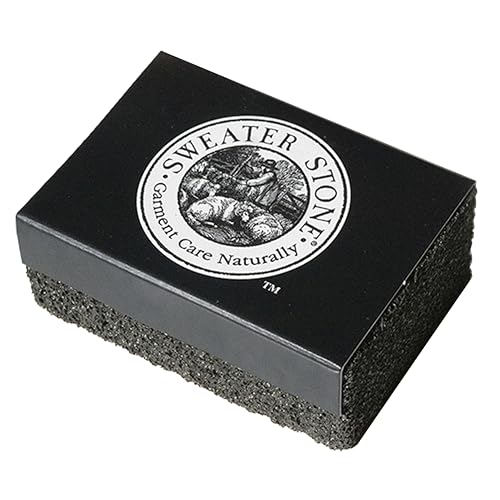

This tool is essentially a block of natural volcanic pumice, and it works by catching the tiny, tangled fibers that form pills. It is remarkably effective on dense, felted, or rustic wools that have a bit of "tooth" to them.

Because it is a physical abrasive, it is best reserved for heavier-weight wools like Highland or Corriedale. If you use it on delicate, loosely spun singles, you risk snagging the fiber or causing unnecessary thinning.
Always use a light touch when dragging the stone across your fabric. Think of it as gently exfoliating the surface rather than scrubbing it clean, which preserves the structural integrity of your yarn.
Gleener Ultimate Fuzz Remover: Best Versatility
The Gleener is a favorite because it offers three different edges, each designed for a specific fabric weight. It moves away from the "one-size-fits-all" approach that often leads to damaged knitwear.
The edges range from gentle to aggressive, allowing you to tackle everything from fine cashmere blends to bulky, multi-ply wool coats. It is a manual tool, which gives you complete control over the pressure applied to your stitches.
I recommend starting with the gentlest edge first, even if you think the pilling is severe. It is much easier to work your way up to a more aggressive edge than it is to repair a snag caused by being too heavy-handed.
Steamery Fabric Shaver: Best for Delicate Knits

Battery-operated shavers can be intimidating, but the Steamery model is engineered with a precision-focused blade guard. It is perfect for those precious, fine-gauge garments where you cannot afford a single broken stitch.
The motor is consistent, which prevents the "stuttering" that can happen with cheaper shavers. That consistent speed is key to ensuring an even finish across the entire surface of your sweater.
Always lay your garment flat on a hard surface before shaving. If you try to shave while holding the garment in the air, the fabric will sag, increasing the chance that the blades will catch and create a hole.
Evercare Fabric Lint Brush: Best for Pet Hair
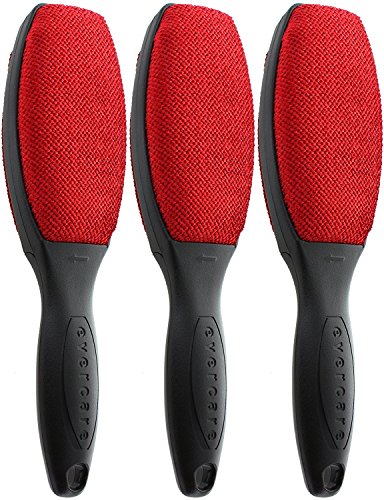
While not a de-piller, a high-quality lint brush is essential for fiber maintenance. Pet hair and household dust can weave themselves into the crown of your wool, eventually causing more pills to form.
The Evercare brush uses a directional fabric pad that lifts debris without pulling at the individual fibers of your yarn. It is far superior to sticky tape rollers, which can leave behind adhesive residue that actually attracts more dirt over time.
Use this brush after every few wears to keep your wool clean. A clean garment is a long-lasting garment, as debris acts like microscopic sandpaper against your delicate fibers.
Clothes Doctor Cedar Brush: Best for Maintenance

This is a traditional tool designed to lift the pile of your wool and keep the fibers aligned. It is less about removing pills and more about grooming the fabric to prevent them from forming in the first place.
Regular brushing after wearing helps to redistribute the natural lanolin and oils in the wool. It essentially "combs" the fibers, keeping them smooth and preventing the friction that causes tangling.
If you have a garment made of a high-twist, smooth-surface wool, this brush is an absolute essential. It maintains that professional, crisp look that often fades after a few months of heavy winter use.
Philips Fabric Shaver: Best for Heavy Woolens
When you are dealing with a heavy, worsted-weight sweater that has seen years of wear, you need a bit more power. The Philips model provides a larger surface area and a robust motor to clear away stubborn, large pills quickly.
The tradeoff here is weight and size; it is a more substantial tool that isn’t quite as delicate as the others. Use it for your sturdier, hard-wearing wools, but keep it away from your lace-weight mohair or silk blends.
Always check the collection bin frequently. If the bin gets too full, the airflow decreases, which can cause the shaver to overheat and potentially damage the fabric it is working on.
Jiffy Fabric Comb: Best for Travel and Storage

The Jiffy comb is small, simple, and requires no batteries or power source. It is the perfect tool to tuck into your knitting bag or suitcase for quick maintenance on the go.
It works by manually combing through the fibers to release pills. While it requires more physical effort than a motorized shaver, it offers the safest, most tactile way to clean your knits without any risk of mechanical failure.
It is particularly useful for those who travel with their hand-knits. A quick pass with the comb after a long flight can refresh your sweater and keep it looking brand new despite the rigors of travel.
Why Wool Garments Require Regular De-Pilling
Pilling is a natural byproduct of friction, occurring when shorter fibers work their way to the surface of the yarn and tangle. This is common in soft, high-loft yarns that haven’t been tightly spun.
If left unaddressed, these pills grow larger and pull on the surrounding fibers, potentially leading to thinning or "holing" in high-friction areas like the underarms. Regular maintenance prevents this cycle from accelerating.
Think of it as part of the garment’s life cycle. Just as you block your finished object to set the stitches, you must maintain the surface to ensure those stitches remain strong for years to come.
How to Brush Your Knits Without Fiber Damage
The golden rule of fiber maintenance is to always work with the grain of the stitch. If you are working on a stockinette garment, move your tool in the direction of the knit columns, not across them.
Never press down hard into the fabric. You want the tool to skim the surface, catching only the loose, tangled fibers, not the structural fibers that make up the yarn itself.
If you encounter a snag, stop immediately. Use a small crochet hook to gently nudge the snagged loop back through to the inside of the garment rather than trying to shave it off, which will almost certainly result in a hole.
Essential Tips for Long-Term Wool Maintenance
Storage is just as important as maintenance. Always store your woolens folded rather than on hangers, as the weight of the garment can distort the shoulders and cause unnecessary stretching over time.
Use cedar balls or lavender sachets to protect your garments from moths, especially during the off-season. A clean, well-maintained garment is much less attractive to pests than one that still carries traces of skin oils or food particles.
Finally, embrace the process. Caring for your hand-knits is an extension of the love you put into making them. By taking these small steps, you ensure that your work remains a cherished part of your wardrobe for decades.
Maintaining your wool garments is a labor of love that honors the time you invested in your craft. By using the right tools and a gentle, methodical approach, you can keep your knits looking pristine for years. Remember that fiber care is a preventative practice, not just a reactive one. Treat your hand-knits with kindness, and they will keep you warm for a lifetime.