
6 Best Fabric Care Kits For Woolen Items To Own
Keep your knitwear looking brand new with our top picks. Discover the 6 best fabric care kits for woolen items to ensure your favorite sweaters last for years.
Investing hundreds of hours into a hand-knit sweater requires more than just high-quality yarn; it demands a dedicated maintenance routine to ensure the fibers remain vibrant and structurally sound. Wool and cashmere are delicate proteins that react poorly to harsh detergents, improper washing, and neglectful storage. Without the right care, a cherished project can quickly succumb to felted armpits, misshapen necklines, or invasive moths. These six fabric care kits provide the essential tools to protect the integrity of every stitch, whether for a fledgling scarf or an intricate cabled cardigan.
The Laundress Wool & Cashmere Kit: Best Overall


This kit serves as the gold standard for those who treat their knitwear with the same reverence as heirloom textiles. It includes a specialized wool wash, a sweater stone for removing light pills, and a cedar-based storage spray designed to repel pests naturally.
The formula is pH-neutral and gentle on animal fibers, meaning it won’t strip the natural lanolin that keeps wool soft and moisture-wicking. For hand-knits that utilize high-end fibers like merino or yak, this gentle cleansing is vital to maintaining the stitch definition and overall drape of the fabric.
While the upfront cost is higher than a bottle of generic detergent, the longevity it adds to your garments makes it a sound investment. If you own a collection of sweaters knit from luxury yarns, this kit provides a complete ecosystem for regular maintenance and protection.
Eucalan Delicate Wash Travel Pack: Best on the Go
Travel packs are an essential addition to any knitter’s project bag, especially when working on long-term projects away from home. These single-use packets are perfect for blocking a lace shawl in a hotel room or refreshing a garment after a trip without needing to carry heavy bottles.
Eucalan is highly regarded in the fiber arts community because it is a no-rinse formula, which minimizes the amount of agitation the garment experiences. Less handling during the wash process significantly reduces the risk of unintended felting or stretching, particularly with loosely spun or single-ply yarns.

Since fiber integrity is sensitive to water temperature and mechanical action, the ability to wash a piece gently in a basin is a lifesaver. Keep a few packets stashed in your project bag; you will be glad to have them when a spill occurs or when a piece needs a quick block before gifting.
Soak Wash Soakbox Set: Best for Scent Variety
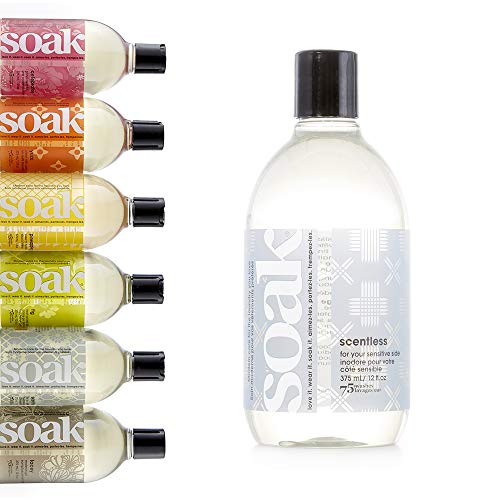
Soak is the preferred choice for those who find the medicinal scent of some wool washes off-putting. This set offers a range of sophisticated fragrances, making the laundry process feel less like a chore and more like a spa ritual for your finished objects.
The “rinse-free” nature of Soak allows fibers to relax fully in the bath without the disruption of multiple water changes. It is particularly effective for blocking, as it helps the yarn expand and settle into its intended stitch pattern once dried.
When choosing a scent, consider that fragrances linger on protein fibers longer than on synthetics. If you have sensitivities, there is a scentless version that provides the same superior cleaning results without any aromatic interference.
Gleener Fuzz Remover Kit: Best for De-Pilling

Pilling is a natural byproduct of friction, even with the most expensive, tightly twisted yarns. The Gleener kit stands out because it offers three different edges, allowing you to customize your approach based on the delicacy of the knit.
Using the wrong de-pilling tool can shear delicate fibers and create holes in your hard-earned work. By selecting the correct edge—ranging from heavy-duty for a thick, rustic wool to gentle for delicate lace—you ensure that only the surface fluff is removed.
It is worth noting that you should never use a razor or heavy-duty de-piller on mohair or angora. For these haloed fibers, manual removal or a very gentle touch with the lightest Gleener edge is the only way to avoid damaging the delicate construction of the yarn.
Cocoknits Sweater Care Kit: Designed for Knitters
This kit is curated by someone who understands the specific needs of the maker. It features a focus on tools that assist in both the laundry and the post-wash blocking process, making it an indispensable companion for the serious knitter.
The inclusion of specialized tools for fiber care separates this from generic household kits. It considers the entire life cycle of a knitted garment, from the initial blocking to the seasonal repair and maintenance of high-wear areas like cuffs and elbows.
For the knitter who values organization and functionality, this set provides a cohesive way to manage the physical health of every garment in the wardrobe. It is a thoughtful gift for any crafter who has transitioned from making singular items to maintaining a hand-knit closet.
Grove Co. Dryer Ball Set: Best Eco-Friendly Pick
While most wool garments should be dried flat, dryer balls are a game-changer for finishing items like wool socks or blankets that can safely handle a tumble. They reduce drying time significantly, which prevents the yarn from becoming brittle due to excessive heat exposure.
These balls act as natural softeners, bouncing against the fabric to fluff the fibers without the need for chemical-laden dryer sheets. By reducing the time in the machine, you are actively protecting your yarn from the heat damage that inevitably leads to thinning or snapping.
If you are machine-drying, ensure you are using a “low heat” or “air fluff” setting regardless of the dryer balls. Even the best accessories cannot compensate for a dryer that runs too hot, which will quickly compromise the elasticity and durability of wool.
Choosing a Wool Wash: Rinse vs. No-Rinse Guide
The debate between rinse and no-rinse washes comes down to how much you want to handle your knitting. A no-rinse wash, like Eucalan or Soak, is designed to be left in the fibers to keep them soft and protected from moths.
A traditional rinse wash is preferable if the item is heavily soiled or if you are working with fibers that require a very specific pH balance to prevent stiffening. Always read the fiber content carefully; some treatments, like superwash, respond differently to residual soap than untreated, high-lanolin wool.
Ultimately, if you are a beginner, start with a no-rinse wash. It is the most forgiving method and significantly reduces the risks associated with moving wet, heavy, water-logged garments from the basin to the sink.
How to Properly Hand-Wash Your Wool Garments
Never soak your wool items in water that is above room temperature, as sudden temperature fluctuations can cause shock to the fibers. Fill your basin first, add the wash, and then gently submerge your garment, pushing it down without wringing or twisting.
After soaking for about fifteen minutes, lift the garment out and support it with both hands to prevent stretching. To remove excess water, lay the garment flat on a clean, dry towel, roll it up like a burrito, and press down firmly to wick away the moisture.
Never hang a wet wool sweater on a hanger, as the weight of the water will distort the shoulders and cause the torso to lengthen indefinitely. Always reshape the garment on a flat, breathable surface until it is completely dry to the touch.
Safely Storing Wool Items During the Off-Season
Before putting your hand-knits away for the warmer months, ensure they are perfectly clean, as even invisible traces of skin oil or perfume can attract moths. Store your items in breathable cotton bags or bins, never in airtight plastic, which can trap moisture and cause mildew.
Cedar blocks or lavender sachets are excellent natural deterrents that keep the environment fresh. Placing these in your storage containers provides an added layer of security without exposing your fibers to the harsh chemical smell of traditional mothballs.
If you are folding your sweaters, do so along the natural seams to prevent permanent creases from forming. For heavy items, it is often better to store them flat on a shelf rather than in a stack, as the weight of the top items can crush the loft of the bottom ones.
Pilling 101: Preventing and Removing Fuzz Balls
Pills are formed when short, broken fibers migrate to the surface of the yarn and knot together due to friction. To minimize this during the knitting process, choose yarns with a tighter twist or multiple plies, as these are inherently more resistant to surface agitation.
When pills do appear, do not pull them off with your fingers. Tugging at a pill can draw more fiber out of the core of the yarn, creating a loop and potentially leading to a hole over time.
Always use a dedicated fabric shaver or stone, working in one direction to gently lift the pills away from the fabric surface. By addressing pilling early and regularly, you keep the garment looking fresh and prevent the knots from becoming too dense to remove safely.
Proper fabric care is the final, essential step in the life of a hand-knit garment. By selecting the right tools and adopting a gentle, preventative maintenance routine, you ensure that the hours spent at your needles result in sweaters and accessories that last for generations.


