6 Best Leather Conditioners For Bag Straps To Use
Keep your bag straps supple and crack-free. We review the 6 best leather conditioners that restore moisture, prevent wear, and ensure long-lasting durability.
Just as we carefully choose the right wool for a sweater to ensure it doesn’t felt or lose its shape, we must treat our leather bag straps with the same level of intentionality. A well-conditioned strap is the difference between a bag that lasts for decades of project carrying and one that cracks under the weight of your latest blanket WIP. Choosing the right conditioner is about balancing protection with the natural suppleness of the hide. Let’s look at the best options to keep your gear in top-tier condition.
Leather Honey Leather Conditioner: Best Overall


Leather Honey is the gold standard for a reason, much like how a classic wool wash is essential for blocking your finished lace shawls. It is a non-toxic, water-repellent formula that penetrates deep into the fibers to restore suppleness.
If you carry heavy project bags filled with bulky wool yarn and multiple sets of circular needles, your straps endure significant tension. Leather Honey excels here because it doesn’t just sit on the surface; it conditions from the inside out to prevent the cracking that happens when leather dries out.
The trade-off is its thickness and long drying time. You’ll need to let your straps rest for several hours, or even overnight, much like you’d allow a garment to dry flat after blocking.
Bickmore Bick 4 Leather Conditioner and Cleaner
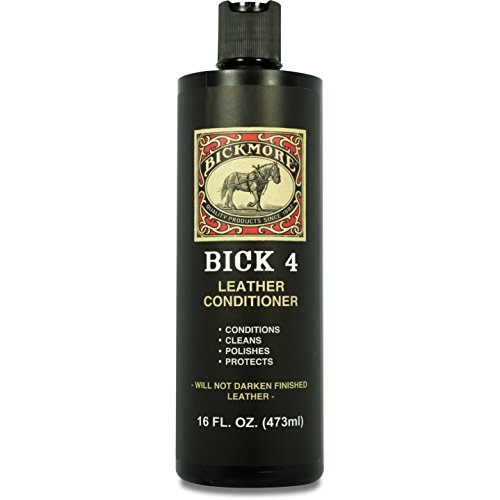
Bick 4 is the "workhorse" of the leather world, similar to how a reliable wooden needle is the go-to for most knitting projects. It is a dual-action product that cleans and conditions without altering the color or finish of your leather.
Because it is wax-free, it won’t leave a sticky residue that might transfer onto your hand-dyed wool or delicate silk blends. If you’re worried about staining your knitting project while carrying your bag, this is the safest bet.
It provides a lighter conditioning than heavier oils, making it perfect for regular, light maintenance. Think of it as a gentle hand-wash for your straps rather than a heavy-duty soak.
Chamberlain’s Leather Milk Conditioner No. 1
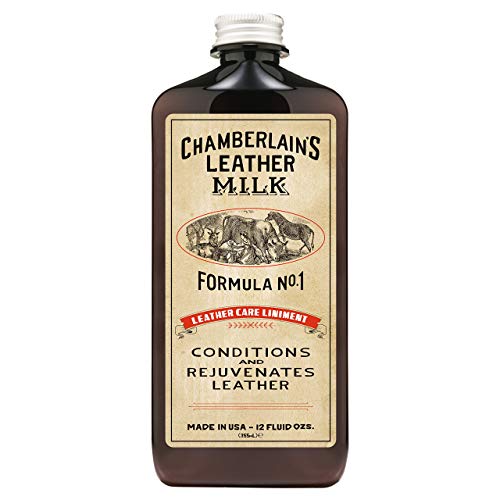
Chamberlain’s is a premium, artisan-style product that feels as luxurious as working with high-end cashmere. It is specifically designed to nourish and revitalize leather that has started to lose its natural oils.
The formula is incredibly smooth and absorbs quickly, which is a major benefit if you are impatient to get your bag back in action. It leaves behind a soft, natural sheen that enhances the leather’s appearance without feeling greasy.
While it is more expensive than other options, the quality of the ingredients is evident in the finish. Use this for your high-end leather bags that hold your most precious heirloom projects.
Lexol All Leather Deep Conditioner Formula

Lexol is a classic, no-nonsense choice that functions much like a standard stainless steel needle—it’s functional, affordable, and gets the job done. It uses a pH-balanced formula that is specifically designed to maintain the leather’s internal health.
It is particularly effective at keeping leather flexible, which is vital for straps that are frequently bent or rolled. If your bag strap is stiff and creaking, Lexol is excellent at softening those stubborn fibers.
Be aware that it doesn’t offer much in the way of water protection. If you live in a rainy climate, you may need a separate weather-proofing spray to protect your leather from the elements.
Chemical Guys Leather Conditioner and Cleaner
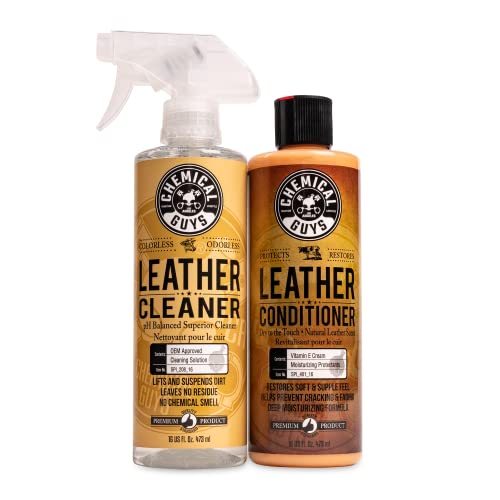
Chemical Guys is a modern, high-tech solution that often appeals to those who like precision in their tools. It includes a UV blocker, which is a fantastic feature if you frequently take your knitting projects to the park or outdoor festivals.
Sunlight can be just as damaging to leather as it is to certain natural fibers, causing fading and brittleness over time. This conditioner acts like a protective layer, shielding the hide from harsh environmental damage.
The scent is quite distinct, which some users find pleasant and others find a bit strong. If you are sensitive to fragrances, consider testing a small amount on an inconspicuous area first.
Otter Wax Leather Salve for Heavy Duty Straps

Otter Wax is a heavy-duty, wax-based conditioner that is perfect for the rugged, vegetable-tanned leather often found on heavy-duty project bags. It provides a significant barrier against moisture and dirt.
Think of this as the "heavy-weight yarn" of the conditioning world. It is thick, protective, and ideal for bags that see a lot of outdoor use or travel.
Because it contains beeswax, it will darken the leather slightly and provide a slight sheen. It is not ideal for delicate, light-colored leathers that you want to keep in pristine, original condition.
How to Properly Apply Conditioner to Bag Straps
Start by cleaning your straps with a soft, lint-free cloth to remove any dust or debris. You wouldn’t want to knit with dusty needles, and you shouldn’t condition dirty leather; trapped dirt can act as an abrasive.
Apply a small amount of conditioner to your cloth—never directly to the leather—and work it in using circular motions. This ensures an even distribution, much like ensuring even tension when working in the round.
Allow the leather to absorb the product fully before buffing it with a clean, dry cloth. If you rush this step, you risk leaving a tacky surface that could pick up lint from your yarn.
Why Leather Straps Need Regular Maintenance
Leather is a natural fiber, just like wool, and it requires hydration to stay resilient. Without regular conditioning, the natural oils evaporate, causing the leather to become brittle and eventually crack under the weight of your knitting supplies.
Regular maintenance extends the life of your bag, ensuring that the straps don’t snap while you’re walking to your local knitting group. It’s an investment in your tools that pays off in longevity.
Think of this as the "blocking" phase of your bag’s life. It sets the structure, protects the material, and keeps everything looking its best for years to come.
Choosing Between Creams, Oils, and Waxes
- Creams: Best for everyday conditioning; they absorb well and don’t leave a heavy residue.
- Oils: Best for deeply dry or neglected leather; they penetrate very deeply but can darken the material.
- Waxes: Best for weatherproofing and heavy-duty protection; they create a physical barrier against the elements.
If you are unsure, start with a cream-based conditioner. It is the most forgiving option and provides a balanced approach for most leather types.
Always consider the finish of your leather. Suede or nubuck require entirely different, non-greasy products, while smooth, finished leathers handle creams and waxes beautifully.
Safety Tips for Testing Leather Conditioners
Before applying any product to the entire strap, always perform a patch test on an inconspicuous area, such as the underside of the buckle or a seam. Leather can react unexpectedly to new chemicals.
Check for color changes or spotting once the area is fully dry. This is exactly like swatching your yarn to ensure it won’t bleed or shrink before you commit to the full project.
If the leather darkens significantly or feels tacky after 24 hours, choose a different product. It is always better to be cautious than to ruin the finish of a beautiful leather bag.
Maintaining your project bag’s leather straps is a simple habit that ensures your gear stays as reliable as your favorite set of needles. Whether you choose a heavy wax for outdoor durability or a light cream for regular care, the key is consistency. Treat your leather with the same respect you give your finest fibers, and your bags will serve you well for many seasons of knitting. Happy crafting, and keep those straps supple!