6 Best Fabric Clappers For Professional Pressing
Achieve crisp, professional seams with our top 6 fabric clappers. Read our expert reviews to find the perfect pressing tool for your sewing studio today.
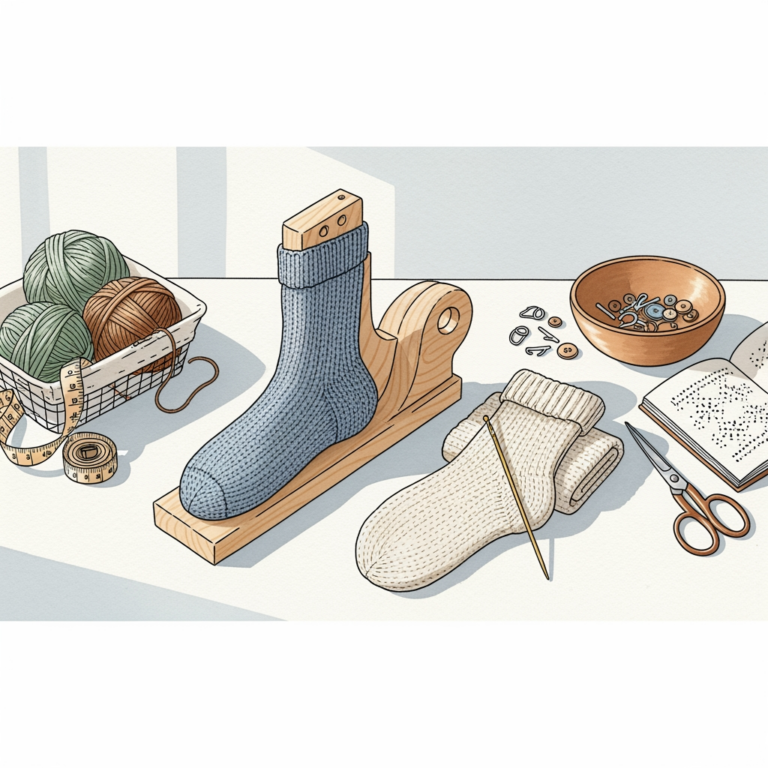
Achieving a professional finish on handmade garments requires more than just high-quality yarn or precise stitches; it demands mastery over the fabric’s final presentation. A tailor’s clapper is the secret weapon that transforms puckered, uneven seams into crisp, store-quality edges. By trapping steam and heat within the fibers, this simple wooden block forces the fabric to lay perfectly flat as it cools. Understanding the nuances of these tools will elevate every sewn or knitted project from homemade to heirloom.
JJ’s Hardwood Clapper: The Crafter’s Choice


JJ’s Hardwood Clapper stands out for its ergonomic design and consistent performance. Crafted from dense, unfinished wood, it excels at absorbing the excess moisture generated during heavy steaming.
This tool is ideal for those who spend hours at the ironing board finishing complex garments. Its weight is substantial enough to press seams effectively without requiring excessive manual force.
The absence of a finish on the wood prevents any potential color transfer or chemical residue onto delicate fabrics. For those working with light-colored wools or luxury fibers, this raw wood construction provides peace of mind.
Dritz Tailor’s Clapper: Trusted Brand Quality
The Dritz Tailor’s Clapper is a ubiquitous presence in sewing rooms for a reason. It offers reliable construction that serves both the novice and the experienced garment maker with equal efficiency.
The tapered ends are a standout feature, allowing the user to reach into tight curves or difficult corners of a sleeve or collar. This versatility is essential when blocking specific shapes or pressing darts in fitted knitwear.
While mass-produced, the hardwood used in these units is typically dense enough to perform the essential task of heat retention. It remains a dependable, accessible choice for those building a foundational sewing toolkit.
Maestro Clapper: Best for Professional Tailors
The Maestro Clapper is designed for precision and durability, often favored by those who demand absolute flatness in their seams. Its surface is sanded to a high degree of smoothness, ensuring it never snags on fine yarns or delicate silk linings.
Professional tailors prefer this model because of its superior heat-trapping capability. The density of the wood allows for longer-lasting pressure, which is critical when setting stubborn seams in heavy-weight wools or tweeds.
Investing in a Maestro is a long-term decision. It is built to withstand years of rigorous use without warping or splintering under high heat.
Sewingfyp Wooden Clapper: Top Budget-Friendly Pick

The Sewingfyp Wooden Clapper provides excellent functionality for those just beginning their journey into garment construction. It performs the core task of setting seams with surprising efficiency given its accessible price point.
It is lightweight enough to be easily maneuvered, which helps when working on smaller items like infant clothing or accessories. The wood grain is generally smooth, minimizing the risk of fabric damage during the pressing process.
For those who are testing the waters of professional pressing, this model provides an affordable introduction. It proves that one does not need a high-end tool to achieve a polished, clean-pressed look.
Modern American Hardwood: The Heirloom Clapper
Modern American Hardwood clappers are crafted with a focus on quality, longevity, and sustainability. These tools are often made from select domestic hardwoods like oak or maple, which provide the perfect density for heat absorption.
These clappers are frequently finished with natural oils, which protect the wood from steam damage while maintaining a tactile, grip-friendly surface. They are weighted to provide a deep, penetrating press that standard tools often miss.
Choosing this brand is an investment in craftsmanship. Its durability ensures it will remain a staple on the pressing table for decades of sewing projects.
The Sewist’s Choice Clapper: Great Value Pick
The Sewist’s Choice Clapper balances cost and performance effectively, making it a favorite for intermediate makers. It offers a comfortable grip, which is essential when a project involves long, repetitive pressing sessions.
The design is straightforward and utilitarian, focused entirely on the mechanics of heat and pressure. It effectively wicks away moisture from steam-pressed seams, ensuring that the fabric stays set exactly where it is placed.
This is a middle-ground choice that satisfies the requirements of most sewing and knitting projects. It delivers consistent, professional results without the premium price tag.
What Is a Clapper and Why Do I Need One?
A clapper is a block of untreated hardwood used to set a crease or flatten a seam after it has been steamed. By applying heavy, firm pressure to the steaming fabric, the clapper cools the fibers instantly.
This process locks the shape in place before the fabric has a chance to pull back or distort. Without a clapper, steam-pressed seams often lose their crispness the moment the iron is lifted.
Whether pressing a shoulder seam on a heavy sweater or setting a pleat in a skirt, the clapper is what creates that permanent, flat finish. It effectively replaces the need to “over-iron,” which can often burn or crush delicate fibers.
How to Use a Clapper for Perfectly Flat Seams
To use a clapper, first apply steam to the seam or area using a hot iron or steamer. Immediately after lifting the iron, place the clapper firmly over the hot, damp fabric.
Press down with steady, firm pressure and hold the clapper in place for at least 10 to 15 seconds. This allows the wood to absorb the excess heat and moisture, while the weight flattens the fibers into their new position.
Always ensure the wood is unfinished, as sealed or varnished wood may react poorly to steam or leave residue on the fabric. Keep the clapper in one spot rather than sliding it across the fabric to prevent stretching.
Choosing the Right Wood for Your Tailor Clapper
The efficacy of a clapper depends almost entirely on the density of the wood used. Dense hardwoods, such as oak, maple, or cherry, are superior because they absorb and hold heat efficiently.
Avoid softwoods, which are porous and may splinter or warp when subjected to repeated steam. The wood must be heavy enough to do the work, meaning the user should not have to exert massive effort to achieve a flat surface.
Consider the surface finish carefully. A raw, sanded surface is the gold standard for fiber arts, as it provides the necessary friction to hold the fabric in place during the pressing process.
Clapper vs. Point Presser: What’s the Difference?
A point presser is a long, tapered tool designed for pressing points, corners, and small areas where a wide clapper cannot reach. It is essentially a structural aid for reaching inside collars, lapels, and narrow cuffs.
A clapper, conversely, is a broad, flat block intended to press long seams and larger surface areas. While the two tools are often combined in a single “point presser and clapper” unit, their functions remain distinct.
Use a point presser when internal structure needs to be sharp and defined. Use a clapper when the goal is to set a flat, stable, professional seam across the body of a garment.
Mastering the use of a clapper is one of the most significant steps toward achieving a professional-grade finish in any sewing or knitting endeavor. By choosing the right tool for your specific needs, you ensure that your hard work results in garments that look as refined as they feel. Invest in a quality clapper, and the improvement in your project’s final appearance will be undeniable.