6 Interfacing Stabilizers For Structured Shapes
Master sewing techniques with our guide to the 6 best interfacing stabilizers for structured shapes. Learn which products create professional results today.
Mastering the structure of a knitted garment often requires looking beyond the yarn itself to the foundational support hidden inside. While knitting provides drape and elasticity, certain projects—like structured bag inserts, button plackets, or reinforced collars—demand a rigid backbone that yarn alone cannot supply. Understanding how to integrate interfacing with knit fabric transforms a floppy, saggy project into a professional-grade accessory. Selecting the right stabilizer requires balancing the inherent stretch of the stitch pattern with the desired final silhouette.
Pellon Peltex 71F: For Maximum Stiffness


Peltex 71F is a heavy-duty, ultra-firm stabilizer that behaves more like thin cardboard than traditional fabric. It is the gold standard for projects requiring absolute verticality, such as the base of a market tote or a structured clutch.
When applying this to knit fabric, the weight of the stabilizer can easily overwhelm a delicate gauge. Use it only when the goal is to create a rigid, non-flexible wall that prevents the fabric from buckling under the weight of stored items.
Because this material is extremely stiff, it does not drape. Any knit fabric attached to it will retain the exact shape of the Peltex, making it ideal for geometric projects but poor for anything requiring movement.
Pellon SF101 Shape-Flex: All-Purpose Body

Shape-Flex serves as the workhorse of the interfacing world, acting as a lightweight, woven fusible. It provides body to knit fabrics without sacrificing the fundamental softness of the yarn fibers.
This is the ideal choice for stabilizing button bands on cardigans or reinforcing areas prone to heavy use. It preserves the flexibility of the knit while preventing the fabric from distorting or “growing” out of shape over time.
Because it is a woven material, it adds a layer of stability that resists stretching in both directions. For hand-knits that tend to sag, this adds the necessary internal structure to keep a garment looking fresh after hours of wear.
ByAnnie’s Soft and Stable: For Padded Bags
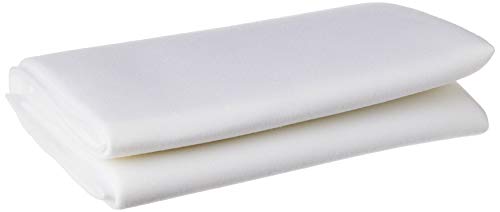
Soft and Stable is a unique product consisting of foam laminated between two layers of knit fabric. It provides a luxurious, cushioned feel that makes finished accessories look and feel high-end.
In knitting projects like laptop sleeves or pouches, it offers superior protection and structure without the bulk of heavy traditional batting. It holds its shape beautifully while allowing the natural texture of the exterior yarn to remain the star.
Be aware that it is thicker than standard interfacing, which may require adjustments to the seam allowance. Always test the thickness with the intended yarn weight to ensure the sewing machine or needle can navigate the transition between the knit and the foam.
Bosal In-R-Form Foam: The Fusible Choice
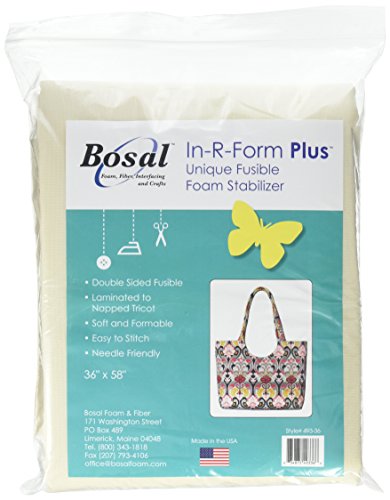
In-R-Form is a single-sided fusible foam that simplifies the construction process for complex items like bowls or structured baskets. The fusible side allows the stabilizer to bond directly to the wrong side of the knit fabric, creating a single, cohesive piece.
This fusion prevents the layers from shifting during construction, which is a common frustration when working with slippery fibers like alpaca or silk. It creates a smooth, rounded surface that highlights the stitch definition rather than fighting against it.
Because foam can be compressed, it is essential to use a pressing cloth during application. Avoid using excessive heat directly on the foam, as high temperatures can permanently flatten the structure and compromise the cushioning effect.
Vilene S520 Firm Sew-In: No Iron Needed

Vilene S520 is a firm, sew-in interfacing that provides structural integrity without the risk of heat damage. This is a critical advantage when working with heat-sensitive yarns like acrylics or certain delicate mohair blends.
Sew-in stabilizers are often preferred for experimental knit structures where fusing might leave a sticky residue or distort the drape of a complex lace pattern. It acts as an internal frame, holding the shape while remaining completely independent of the yarn’s physical state.
The trade-off is the extra labor involved in basting the interfacing to the knit. However, for those who value the preservation of fiber integrity above convenience, the sew-in method provides a cleaner, more controlled outcome.
Pellon Décor-Bond: For Crisp, Firm Items

Décor-Bond is a heavyweight fusible interfacing that creates a crisp, professional finish on structured knit items. It is specifically designed to provide high-level support for projects that need to stand upright, such as decorative baskets or stiffened pockets.
This stabilizer works best with medium-to-heavyweight yarns that have enough substance to hold the adhesive. When used on very fine, airy lace or delicate fingering-weight yarns, it can appear too heavy or create an unnatural contrast in texture.
For the best results, ensure the knit fabric is blocked to the final shape before applying the stabilizer. If the fabric is stretched during the fusion process, the adhesive will lock that distortion in place, leading to an uneven final product.
Choosing the Right Stabilizer for Your Knit
Matching a stabilizer to knit fabric is fundamentally about managing elasticity. Knit fabrics stretch and recover, while most stabilizers are designed to be static; the goal is to bridge this gap without causing the fabric to pull or pucker.
- For soft, drapable items: Choose a lightweight, fusible knit interfacing to maintain fluidity.
- For structured accessories: Opt for firmer, non-woven options like Peltex or foam for shape retention.
- For heat-sensitive fibers: Default to sew-in options to avoid scorching or melting the yarn.
Always consider the weight of the yarn. If the yarn is heavy, such as a bulky wool, a light interfacing will be insufficient. Conversely, a heavy stabilizer will make a lightweight lace project stiff and cumbersome.
Fusible vs. Sew-In: Which One Should You Use?
Fusible interfacings are popular for their ease of use, as they essentially become part of the fabric. They are perfect for small, precise areas where shifting must be eliminated entirely, such as a buttonhole area on a sweater.
Sew-in stabilizers offer a more forgiving approach, particularly for knitters who fear the permanent nature of glue. If a mistake is made or if the interfacing needs to be adjusted after a trial fitting, a sew-in layer can be easily removed or repositioned.
Consider the intended wash method as well. Many fusible adhesives can break down over repeated wash cycles or high-heat drying, whereas a quality sew-in stabilizer will remain consistent for the life of the project.
Tips for Applying Interfacing to Handknits
Before applying any fusible, ensure the knitting is clean and free of oils. Even a small amount of residual lanolin or skin oil can prevent the adhesive from bonding correctly to the fiber strands.
Always utilize a pressing cloth. This prevents the iron from catching on individual stitches and protects the yarn from “iron shine,” which occurs when synthetic or protein fibers are pressed at too high a heat.
When using a fusible, apply heat in firm, vertical presses rather than dragging the iron across the surface. Sliding the iron can pull the knit fabric, causing the stabilizer to bond while the fabric is distorted, which inevitably leads to wavy, uneven edges.
FAQ: Common Stabilizer Questions Answered
Can I wash projects with fusible interfacing? Yes, but use a gentle cycle and avoid high-heat drying to prolong the adhesive bond. Does stabilizer change the “hand” of the yarn? Yes, it will make the fabric feel thicker and less flexible, which is a necessary trade-off for increased structure. What if the interfacing is wider than my knit piece? Always trim the stabilizer to be slightly smaller than the fabric seam lines to avoid excess bulk in the seams.
Investing time in the right stabilizer is the difference between a project that looks handmade in the amateur sense and one that looks like a professional design. By carefully considering the properties of both your yarn and your chosen stabilizer, you can ensure that your structured knit projects remain as beautiful as they are functional.