7 Best Needle Cleaning Brushes For Debris Removal
Keep your vinyl records sounding pristine. We review the 7 best needle cleaning brushes to effectively remove debris and extend your stylus’s lifespan today.
Keeping your needles clean is the secret habit that separates casual hobbyists from lifelong makers who cherish their tools. Over time, microscopic bits of fiber, dust, and natural oils from your hands accumulate on needle surfaces, creating drag that slows down your knitting rhythm. By incorporating a simple cleaning routine into your project changeovers, you ensure that your stitches slide effortlessly across the shaft. These seven tools are the most effective ways to restore your needles to their original, high-performance state.
OXO Good Grips Deep Clean Brush Set: Best Overall
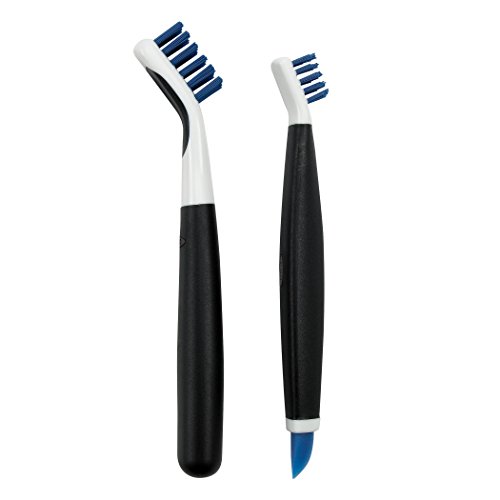

This set is a staple in my knitting bag because it offers a variety of head shapes that tackle both the needle shaft and the tricky join area. The small, stiff-bristled brush is perfect for dislodging stubborn fuzz that collects where the cable meets the needle tip.
If you work with mohair or brushed alpaca, you know how quickly those fibers can get snagged in the transition point of circular needles. This brush set allows you to scrub away that debris without needing to soak your tools in harsh chemicals.
The ergonomic handle provides enough leverage to clear away buildup without putting unnecessary pressure on delicate cable connections. It is a versatile, durable solution that handles everything from bamboo to nickel-plated brass.
Interdental Brushes: Best for Precision Cleaning

If you knit socks on 2.25mm needles for hours at a time, you have likely noticed dust gathering in the tiny grooves or at the very tip of the point. Interdental brushes, usually found in the dental aisle, are perfectly sized for these minuscule spaces.
Their wire-core design allows you to bend the brush head to reach awkward angles, especially on DPNs (double-pointed needles) where the tips can get quite grimy. They are gentle enough not to scratch the finish of your premium needles while being firm enough to lift out trapped lint.
I recommend keeping a few of these in your notions pouch for quick spot-cleaning during a long knitting session. They are inexpensive, disposable, and arguably the most effective way to maintain the sharpness of your needle points.
Microfiber Detail Swabs: Best for Needle Tips
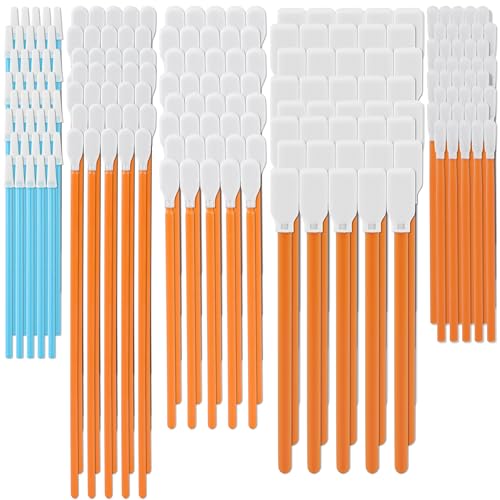
When your needles start to feel "tacky" or slow, it is often due to a thin layer of skin oil mixed with yarn dust. Microfiber detail swabs are the gold standard for wiping down the surface without leaving behind lint or residue.
Unlike cotton swabs, which can leave tiny fibers caught on the needle surface, microfiber grabs onto the debris and holds it. This is particularly important for slick metal needles, where any leftover lint will immediately disrupt the smooth glide you paid for.
Use these with a tiny drop of mild, diluted soap to polish your needles after a long project. They are soft, non-abrasive, and ensure your tools remain as smooth as the day you bought them.
Soft Bristle Boar Hair Brushes: Best for Wood
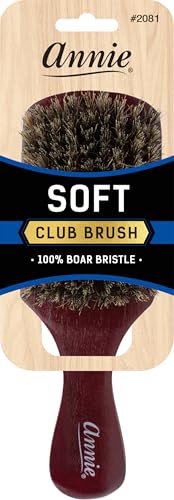
Wooden needles, especially those made of rosewood or birch, require a delicate touch to avoid stripping their natural finish or oils. Boar hair brushes are soft enough to clean the surface without causing micro-scratches that might snag your yarn later.
These brushes are excellent for buffing a little bit of wood conditioner into the needle shaft after cleaning. By gently working the bristles over the wood, you help distribute the natural oils, keeping the needles supple and preventing them from becoming brittle over time.
Avoid using stiff synthetic brushes on wood, as they can cause tiny abrasions that will eventually catch on delicate fibers like silk or fine wool. A soft boar hair brush respects the material while keeping it free of dust.
Static-Free Nylon Cleaning Brushes: Best Value
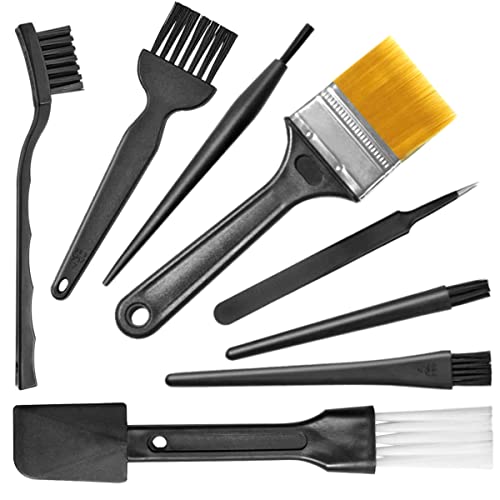
Static electricity is the enemy of the knitter, especially when working with synthetic yarns that tend to attract dust like a magnet. Static-free nylon brushes are designed to neutralize this charge while sweeping away the debris.
These brushes are incredibly durable and can be washed repeatedly, making them a fantastic long-term investment for your knitting kit. They are stiff enough to clear away heavy lint but soft enough to be safe on almost any needle material.
If you find that your yarn is "jumping" or clinging to your needles due to static, a quick pass with one of these brushes will solve the problem immediately. They are the workhorse of the cleaning kit and offer the best performance-to-price ratio.
Dual-Ended Plastic Pick and Brush: Best Utility

Often, the debris on our needles is more than just dust; it is a hardened lump of wax or fiber that needs a bit of mechanical force to remove. The dual-ended plastic pick is my go-to tool for gently scraping off stubborn bits of residue.
The brush end then clears away the loosened material, leaving the needle clean and ready for your next cast-on. Because the pick is plastic, it is much less likely to damage the coating of your needles compared to a metal needle or a utility knife.
This tool is particularly useful for cleaning the grooves of interchangeable needle sets where the threads meet. It is a simple, effective way to ensure your connections stay tight and debris-free.
Specialized Anti-Static ESD Brushes: Best Choice
For the serious knitter who invests in high-end, precision-engineered needles, ESD (Electrostatic Discharge) brushes are the professional choice. These are designed for electronics, meaning they are incredibly precise and inherently anti-static.
They are perfect for cleaning the intricate textures of decorative needles or the fine-gauge tips used for lace work. Because they are designed to prevent static buildup, they ensure that your needles stay clean for longer periods between maintenance sessions.
While they may be a bit more expensive than standard brushes, their longevity and specialized design make them worth it. If you want the absolute best care for your tool collection, this is the gold standard.
Why Regular Needle Maintenance Matters for Knitters
Knitting is a tactile experience, and the connection between your hands, the needles, and the yarn is paramount. When needles are dirty, the friction increases, which can lead to uneven tension and hand fatigue over time.
By keeping your needles clean, you maintain the "slickness" that allows for a steady, rhythmic pace. This is especially important when working with complex patterns where you need your needles to be an extension of your hands rather than a source of resistance.
Regular maintenance also extends the life of your needles, preventing permanent buildup that can eventually dull the finish. Think of it as a small act of self-care for your craft that pays off in every stitch.
How to Safely Remove Lint Without Damaging Needles
The golden rule of needle cleaning is to always start with the least abrasive method possible. Begin by wiping the needle with a clean, dry microfiber cloth to see how much debris you can remove without tools.
If stubborn lint remains, use a soft-bristled brush to gently sweep the area, working from the tip down toward the join. Never use metal tools to scrape your needles, as even a tiny scratch can cause future yarn breakage.
Always work in a well-lit area so you can see the progress of the cleaning. If you are using a liquid cleaner, ensure it is completely dry before you start your next knitting session to prevent any residue from transferring to your yarn.
Essential Tips for Keeping Your Knitting Tools Clean
Store your needles in a case or roll when they are not in use to prevent them from collecting household dust. This simple habit drastically reduces the amount of deep cleaning you will need to do over the course of a year.
Wipe down your needles after every large project, especially if you have been working with fibers that shed, like mohair or angora. These high-shed fibers are notorious for leaving microscopic debris that can clog the surface of your needles.
Finally, keep your hands clean before you sit down to knit to minimize the transfer of skin oils. A quick wash with a gentle soap can go a long way in keeping your tools in pristine condition for years to come.
Maintaining your knitting needles is a simple ritual that ensures your tools remain as smooth and responsive as the day you bought them. By choosing the right brush for your specific needle material and project type, you effectively eliminate the friction that causes hand fatigue and uneven gauge. Treat your needles with the same care you give your beautiful finished garments, and they will serve you faithfully for decades. Happy knitting, and may your stitches always slide perfectly.