6 Best Point Protectors For Delicate Needle Tips
Protect your delicate needle tips with our top six picks. We compare materials and fit to ensure your knitting tools stay sharp, safe, and organized today.
Every knitter knows the sinking feeling of pulling a project from their bag only to find a dropped stitch or a bent needle tip. Protecting your needles is about more than just tool maintenance; it is about preserving the delicate taper that makes your knitting flow. Whether you are working with precision lace needles or sturdy wooden ones, the right point protector is your best insurance policy. This guide explores the top options to keep your gear safe and your stitches secure.
Clover Soft Point Protectors: Best for Comfort
These protectors are a staple in my notions bag because they are incredibly gentle on the hands. Made from a soft, pliable rubber, they don’t have the rigid edges that can sometimes irritate your skin during long knitting sessions.
If you are prone to hand fatigue or find that harder plastics dig into your palms when you rest your needles against your body, these are a game-changer. They provide just enough cushion to make the end of your needle feel less like a weapon and more like an extension of your work.
Keep in mind that because they are so soft, they can sometimes slip off if your project bag is particularly chaotic. They are best suited for projects you keep at home or carry in a dedicated, organized project case.
ChiaoGoo Point Protectors: Best for Precision


When you are working with sharp, lace-tipped needles, you need a protector that holds on tight without dulling the point. ChiaoGoo’s design is specifically engineered to accommodate the long, slender tapers found on high-end stainless steel needles.
These protectors feature a unique internal shape that grips the needle shaft firmly, ensuring they won’t slide off mid-commute. They are particularly effective if you use lace needles, which are notoriously prone to piercing through thinner, cheaper rubber caps.
The trade-off here is the fit; they are quite snug. If you try to force them onto a needle that is slightly too thick, you might find them difficult to remove, so always double-check your sizing before pushing them on.
KnitPro Silicone Caps: Best for Needle Grip
These silicone caps are the "sticky" solution for knitters who struggle with their needles sliding apart while stored. The material has a high coefficient of friction, meaning it grabs the needle surface and refuses to let go.
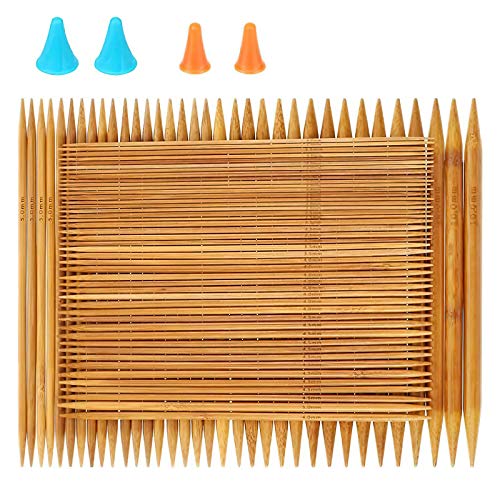
I find these indispensable when I’m working on double-pointed needles (DPNs). When you have four or five needles holding a sock, a set of these caps keeps everything locked in place, preventing the needles from migrating out of the stitches.
Because they are made of silicone, they are also incredibly durable and resistant to temperature changes. They won’t crack or dry out over time, making them a solid long-term investment for your knitting kit.
Cocoknits Point Protectors: Best for Durability

Cocoknits has a knack for creating tools that feel modern and intentional, and their point protectors are no exception. They are made from a high-quality, dense material that feels substantial in the hand and holds its shape through years of use.
What sets these apart is the design, which includes a hole at the top that allows you to easily thread a lifeline or a piece of waste yarn through them. This is a brilliant feature for anyone who tends to lose small notions; you can tether your protectors to your project bag.
They are slightly firmer than other brands, so they provide excellent protection against bending if your needles get tossed into a heavy tote. They are the "workhorse" option for the serious, frequent traveler.
Susan Bates Point Protectors: Best Budget Pick

You will find these in almost every local yarn store, and for good reason: they are reliable, affordable, and widely available. They come in a variety of sizes, usually color-coded, which makes grabbing the right pair in a hurry very simple.
While they lack the bells and whistles of premium brands, they do exactly what they are supposed to do. They stay on reasonably well and offer a decent amount of protection for standard aluminum or bamboo needles.
If you are a beginner just starting your collection, don’t feel pressured to buy the most expensive gear. A pack of these will save your stitches just as effectively as a luxury brand, leaving you more money to spend on that next skein of hand-dyed wool.
Boye Point Protectors: Best for Large Needles

When you are knitting with chunky, oversized needles for a quick-knit blanket or a bulky sweater, standard protectors are often too small. Boye offers robust, larger-sized caps that fit securely on needles ranging from 8mm up to 15mm and beyond.
These are essential for those massive wooden needles that can easily splinter if the tips are damaged. Because large needles have a larger surface area, they can snag on everything; these caps act as a protective shield for both the needle and your yarn.
They are designed with a wide base, which helps prevent your needles from rolling off the couch or table. If you are a fan of "extreme knitting" with very large diameter needles, these are the most reliable option on the market.
Why Use Point Protectors for Delicate Tips
The primary reason to use point protectors is to prevent your stitches from sliding off the needles when you aren’t working on your project. This is especially critical for slippery fibers like silk, rayon, or highly polished stainless steel needles.
Beyond that, they protect the integrity of your needle tips. A tiny nick or burr on a needle tip can snag your yarn, causing it to split or fuzz, which ruins the appearance of your finished fabric.
By capping your needles, you also protect yourself and your surroundings. Sharp lace needles can easily poke holes in your project bags or even cause minor injuries if you reach into your bag blindly.
How to Choose the Right Size for Your Needles
Choosing the right size is all about finding the balance between a secure fit and ease of use. A protector that is too small will stretch out and eventually lose its grip, while one that is too large will simply fall off.
Most manufacturers provide a size range on the packaging, but I always recommend testing them with your specific needles before heading out the door. You want the protector to slide on with a gentle push but require a slight tug to remove.
- For lace needles: Choose a snug, precision-fit cap.
- For wooden needles: Ensure the material is soft enough not to compress the wood fibers.
- For DPNs: Look for sets that come in larger quantities so you can cap every needle in the set.
Material Matters: Silicone vs. Plastic Caps
Material choice often comes down to the trade-off between grip and longevity. Silicone is flexible and "tacky," which makes it excellent for staying put, but it can sometimes attract dust or lint from your yarn.
Hard plastic caps are generally easier to clean and keep tidy, but they may not grip the needle as tightly as silicone. If you are working with very slick nickel-plated needles, you might find that hard plastic caps have a tendency to slide off more easily.
Consider the environment in which you knit most often. If you knit outdoors or in dusty areas, silicone might require an occasional rinse, whereas plastic will stay clean but might need a little extra care to ensure it stays on your needle.
Caring for Your Knitting Tools and Accessories
Your knitting tools are an investment, and taking care of them ensures they last for decades. Point protectors are easy to maintain; if they get dusty or lose their "grip," a quick wash in warm, soapy water will restore their tackiness.
Always store your needles with the protectors on, but ensure the needles are completely dry before capping them. Moisture trapped between the needle and the cap can sometimes lead to oxidation on metal needles or warping in bamboo.
Finally, don’t be afraid to mix and match. You might find that you prefer a specific brand for your sock needles and a completely different one for your chunky sweater needles. There is no rule that says your entire collection must come from the same manufacturer.

Point protectors are a small investment that pays dividends in the form of pristine needles and stress-free knitting. By choosing the right material and fit for your specific projects, you ensure that your tools remain in top condition for years to come. Don’t let a dropped stitch or a damaged tip interrupt your creative flow ever again. Happy knitting, and may your needles always stay sharp and your stitches secure.