6 Best Table Clamps For Machine Stability To Use
Achieve precision with our top 6 table clamps. Discover the best tools for machine stability, ensuring safety and accuracy in every professional workshop task.
Achieving perfect, even tension on a knitting machine is impossible if your equipment is wobbling or shifting across your workspace. A sturdy table clamp is the unsung hero of the studio, acting as the foundation for every stitch you cast on. Without a rock-solid connection, your carriage movements will inevitably lead to dropped stitches and uneven fabric. This guide explores the best mounting solutions to ensure your machine stays exactly where it belongs.
Silver Reed Table Clamp: The Industry Standard
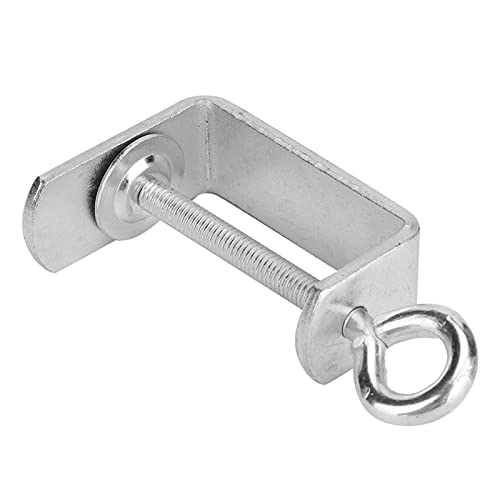

The Silver Reed clamp is widely regarded as the gold standard for a reason. It features a robust, cast-metal construction that resists the high-tension forces generated during heavy-duty projects like double-bed jacquard.
When you are pushing a carriage across a full bed of needles, torque is your enemy. This clamp provides a wide, flat contact surface that distributes pressure evenly across your table edge. It prevents the localized crushing of wooden surfaces while maintaining a grip that won’t budge.
If you are working with thick, wool-blend yarns that require a heavier carriage pull, this is the hardware you want. Its reliability means you can focus on your pattern rather than constantly checking if your machine has shifted.
Brother Knitting Machine Replacement C-Clamp

Brother machines are known for their precision, but their stock clamps can wear down over decades of use. These replacement C-clamps are designed to replicate the original geometry, ensuring your machine sits flush against the table.
The beauty of the C-clamp design is its simplicity and ease of adjustment. If you frequently move your machine between a dedicated studio space and a dining room table, the quick-tightening screw mechanism is a lifesaver.
Just be sure to check the depth of your table edge before purchasing. These clamps are engineered for specific frame profiles, and using one on a table that is too thick can lead to uneven tension across the needle bed.
Passap Universal Table Mount for Stability
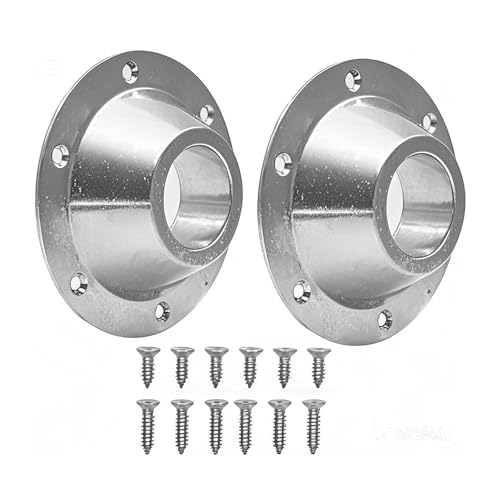
Passap machines are notoriously heavy, often requiring more than just standard clamps to prevent bed flex. The Universal Table Mount is a specialized piece of engineering designed to handle the weight of these metal-bed beasts.
Unlike standard clamps, this mount often incorporates a bracing system that adds structural integrity to the entire setup. It is essential for knitters who use the full width of the bed for wide panels or complex tuck-stitch patterns.
If you notice your needle bed bowing in the center, your current clamping system is likely insufficient. Investing in a mount that provides additional support points is the only way to ensure consistent stitch formation across the entire row.
KnitKing Professional Heavy Duty Table Clamp

The KnitKing professional clamp is a favorite among those who restore vintage machines. It features an extended throat depth, which is perfect for modern tables that are often thicker than the vintage desks these machines were originally paired with.
This clamp is particularly useful if you are using a table with an apron or a decorative edge. The extra reach allows you to secure the machine to the solid part of the tabletop, rather than just the decorative trim.
Always pair this with a non-slip pad to protect your furniture. Because it provides such a powerful grip, it can easily mar the finish of a wooden table if you aren’t using a protective barrier between the metal and the wood.
Singer 2450 Series Machine Mounting Bracket

The Singer 2450 series requires a specific mounting geometry to maintain the correct carriage track alignment. These brackets are designed to hook into the machine’s frame, providing a secure anchor that doesn’t interfere with the carriage’s path.
When installing these, pay close attention to the alignment of the bracket relative to the needle bed. Even a slight tilt can cause the carriage to bind, leading to frustration during your colorwork or lace projects.
These brackets are essential for those who find standard clamps slide off the curved edges of their machine base. They lock into the frame, ensuring that the machine stays perfectly horizontal, which is vital for smooth needle movement.
Studio 150 Series Secure Table Attachment
The Studio 150 series is often a knitter’s first machine, but the stock plastic-heavy clamps can feel flimsy. Upgrading to a more secure attachment system is the single best improvement you can make for your early knitting experience.
These attachments are designed for a tighter, more precise fit. They minimize the "wiggle room" that often occurs when a machine isn’t perfectly tensioned against the table.
If you are just starting out, don’t underestimate the impact of a stable machine on your learning curve. A machine that stays put allows you to develop muscle memory for carriage speed and yarn feeding without fighting the hardware.
Why Machine Stability Matters for Stitch Quality
Stitch quality is directly tied to the consistency of your carriage speed and pressure. If your machine shifts even a millimeter, the tension on your yarn changes, resulting in uneven loops or "tight" rows that ruin the drape of your fabric.
For delicate fibers like mohair or fine silk, stability is even more critical. These fibers are unforgiving; if the carriage jerks due to a loose clamp, you are almost guaranteed to snap the yarn or create a dropped stitch.
Think of your table clamp as the foundation of your knitting. Just as you wouldn’t build a house on shifting sand, you shouldn’t attempt intricate patterns on a machine that isn’t firmly anchored to a solid surface.
Key Factors to Consider When Buying Your Clamp
Before you hit "buy," measure the thickness of your table. Most standard clamps have a maximum opening, and if your table is thicker than that, you will be left with a useless piece of hardware.
Consider the material of your tabletop as well. A metal clamp on a glass or laminate surface will slide effortlessly unless you add a rubberized grip or a piece of shelf liner to the contact points.
- Throat Depth: Ensure it reaches far enough to grip the solid part of the table.
- Pressure Distribution: A wider base prevents damage to soft woods.
- Ease of Adjustment: Can you tighten it comfortably while holding the machine in place?
How to Properly Secure Your Machine to the Table
Start by centering the machine on your table and placing a non-slip mat underneath the entire unit. This adds a layer of friction that works in tandem with your clamps to prevent lateral movement.
Tighten your clamps in a staggered pattern, moving from one side of the machine to the other. Do not tighten one side completely before moving to the next, as this can cause the machine frame to twist or warp.
Check the level of your machine using a small spirit level. If the machine is tilted, your carriage will naturally gravitate toward the lower side, causing uneven stitch sizes across the bed.
Troubleshooting Vibration and Table Slippage
If you feel vibration while knitting, your clamps are likely loose or the table itself is too light. Try adding a heavy weight or a sandbag to the underside of the table to dampen the resonance of the carriage.
If the machine slips during a row, check the contact points of your clamps. You may need to replace the rubber pads or add a layer of suede or leather to create a better "bite" against the table surface.
Finally, ensure your machine is not bridging a gap in the table, such as a seam or a folding hinge. Always mount your machine on a solid, continuous surface to ensure the frame remains perfectly flat.
Investing in high-quality clamps is the most practical upgrade you can make for your knitting studio. By ensuring your machine is rock-solid, you eliminate the mechanical variables that lead to frustration and uneven fabric. Take the time to secure your setup properly, and your knitting will thank you with consistent, professional-grade results. Happy knitting!