6 Best Folding Tables For Pattern Layout To Use
Find the ideal surface for your sewing projects. We review 6 top folding tables that offer the stability and space needed for precise pattern layout work.
Finding the right surface for blocking your hand-knits is just as important as choosing the perfect yarn for your project. A dedicated folding table provides the flat, stable foundation necessary to ensure your lace shawls or sweater pieces maintain their intended dimensions. Without a reliable workspace, your hard work can easily become distorted or uneven during the crucial finishing stages. This guide explores the best folding tables to help you achieve professional-looking results every time you finish a project.
Lifetime 4-Foot Adjustable Height Personal Table


This table is a favorite among knitters who need a compact workspace that doesn’t sacrifice stability. Its adjustable height settings are a game-changer, allowing you to raise the surface to prevent back strain during long blocking sessions.
The blow-molded plastic surface is incredibly durable and resists the moisture that naturally comes with wet-blocking delicate fibers like wool or mohair. Because it is lightweight, you can easily move it around your studio to catch the best natural light while pinning your work.
However, keep in mind that the 4-foot length is best suited for scarves, cowls, or individual sweater panels. If you are blocking a full-sized adult sweater, you may find the surface area a bit restrictive.
Cosco Deluxe 6-Foot Fold-in-Half Resin Table
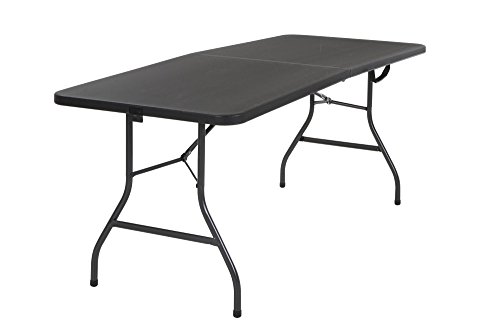
When you are tackling larger projects like a heavy cabled blanket or a full-length garment, you need significant square footage. This 6-foot table offers the expansive surface area required to lay out multiple pieces at once without them overlapping.
The fold-in-half design is particularly clever for knitters living in smaller spaces or apartments. You can tuck it into a closet once your blocking is finished, keeping your living area clear of bulky equipment.
The resin top is smooth and easy to clean, which is vital if you are using blocking wires that might snag on rougher surfaces. Just be aware that the center hinge can sometimes create a slight ridge, so always place a thick towel or a dedicated blocking mat over the seam to protect your delicate stitches.
Flash Furniture 4-Foot Bi-Fold Plastic Table

This table is an excellent middle-ground option for the knitter who values portability above all else. Its bi-fold design makes it exceptionally easy to carry to knitting retreats, guild meetings, or local yarn shop workshops.
The plastic surface is non-porous, meaning it won’t absorb any water or blocking solution if your pins happen to puncture through your blocking mat. It’s a sturdy, no-nonsense tool that handles the weight of heavy, water-logged wool sweaters without bowing.
While it is portable, the legs are not as adjustable as some other models. Make sure you have a comfortable chair or stool that matches the table height, or you might find yourself leaning over too far, which is a recipe for neck tension.
Office Star Products Resin Multipurpose Table
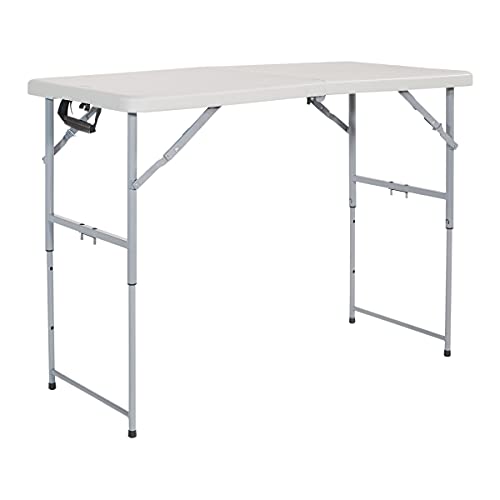
If you need a table that feels more like a permanent piece of furniture, this model is a solid investment. It features a high-quality resin finish that is remarkably smooth, ensuring that your delicate lace projects won’t catch or snag during the pinning process.
The construction is noticeably more rigid than cheaper alternatives, which is a massive benefit when you are applying tension to your knitting. When you are stretching a lace shawl to open up the eyelets, you need a surface that won’t flex or wobble under the pressure of the pins.
This table is slightly heavier than the entry-level plastic options, so it is better suited for a dedicated craft room. If you don’t plan on moving it often, the extra stability it provides is well worth the trade-off in portability.
Best Choice Products Foldable Crafting Table
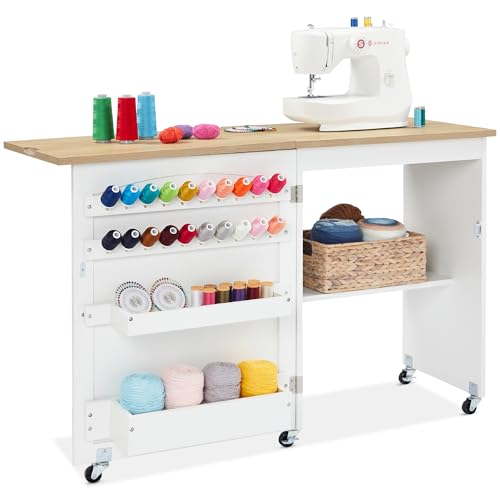
This table is specifically engineered for makers, and it shows in the thoughtful design. It often includes side shelves or storage areas that are perfect for holding your T-pins, blocking wires, and measuring tapes while you work.
Having your tools within arm’s reach prevents you from having to get up and down while your piece is in a delicate, wet state. It keeps the "workflow" of your blocking session smooth and uninterrupted, which is essential when you are trying to match gauge across two identical sweater sleeves.
The surface is usually quite generous, accommodating most garment sizes with ease. It is a fantastic choice if you find yourself frequently working on complex projects that require a lot of active measuring and adjusting.
Origami Foldable Computer Desk for Pattern Work

While marketed as a computer desk, the Origami design is surprisingly effective for knitters who need a quick setup. It unfolds in seconds, making it the perfect "pop-up" station for when you finish a project and need to block it immediately.
The metal frame is exceptionally sturdy, providing a solid, vibration-free surface. If you are using a digital pattern on a tablet while you work, the height is often perfect for keeping your instructions at eye level while you pin your knitting on the surface below.
The biggest advantage here is the speed of assembly. If you are a busy knitter who squeezes in project finishing during short windows of time, this table removes the barrier of a complicated setup process.
Essential Features for Knitting Pattern Layouts
When choosing a table for your fiber arts, prioritize these specific features to ensure your blocking process is as smooth as your knitting:
- Surface Texture: Look for a smooth, non-porous top that won’t snag fine mohair or silk fibers.
- Weight Capacity: Ensure the table can support the weight of heavy, wet wool without sagging.
- Height Adjustability: A must-have for maintaining good posture while pinning intricate patterns.
- Portability: Consider whether you need to store the table away or if it will have a permanent spot in your home.
Why Table Surface Height Matters for Ergonomics
Blocking is a stationary, repetitive task that can put significant strain on your lower back and shoulders. If your table is too low, you will inevitably hunch over, leading to muscle fatigue that can last for days after you finish your project.
Aim for a table height that allows you to work with your back straight and your shoulders relaxed. If you cannot find a table that is the perfect height, consider using heavy-duty furniture risers to bring the surface up to your elbow level.
Remember that you are often leaning over to pin small details, which requires precision. Proper ergonomics aren’t just about comfort; they are about maintaining the steady hand needed to pin your stitches into the correct alignment.
Protecting Your Knits During Pattern Blockings
Never pin your knitting directly into the plastic surface of a folding table, as this can damage both the table and your project. Always use a layer of interlocking foam blocking mats or a thick, non-shedding wool blanket between the table and your work.
These layers provide the necessary "give" to push your T-pins in at an angle, which is essential for holding tension in your knitting. Furthermore, they protect your project from any chemical reactions or residue that might exist on the table’s surface.
If you are blocking light-colored yarns, ensure your base layer is colorfast. You don’t want to spend weeks knitting a white sweater only to have it stained by a cheap, dyed blanket used for blocking.
Maintaining Your Folding Table for Longevity
To keep your table in top shape, always wipe it down with a damp cloth after a blocking session to remove any lingering moisture or wool fibers. Even "waterproof" resin can develop mold if left damp in a folded, dark closet.
Periodically check the locking mechanisms on the legs to ensure they are secure and free of debris. A loose leg can cause the table to collapse, which could be catastrophic for a partially blocked, wet garment.
Store your table in a cool, dry place away from direct sunlight, as UV rays can eventually make plastic surfaces brittle. With basic care, a good folding table will serve as your reliable partner for hundreds of projects to come.
Investing in a dedicated folding table elevates your knitting from a hobby to a refined craft. By choosing a surface that fits your space and your specific project needs, you ensure that every stitch you’ve labored over is showcased to its full potential. Take the time to consider your posture and your storage requirements before making your final selection. May your blocking sessions be efficient, and your finished projects always lay perfectly flat.