6 Best Velvet Hangers For Antique Garment Display
Preserve your delicate vintage collection with our top 6 picks for velvet hangers. Discover the best options for antique garment display and shop your favorites.
Preserving antique garments requires a delicate balance between structural support and material safety. Many antique textiles suffer from “hanger fatigue,” where the weight of a garment pulls against its own fibers, leading to permanent distortion or thread breakage. Selecting the right hanging solution is as critical as choosing the correct needle size for a specific yarn weight. These six velvet hanger options provide the necessary grip to prevent sliding while offering varying degrees of stability for heirloom textiles.
Zober Premium Velvet Hangers: Best Overall Pick
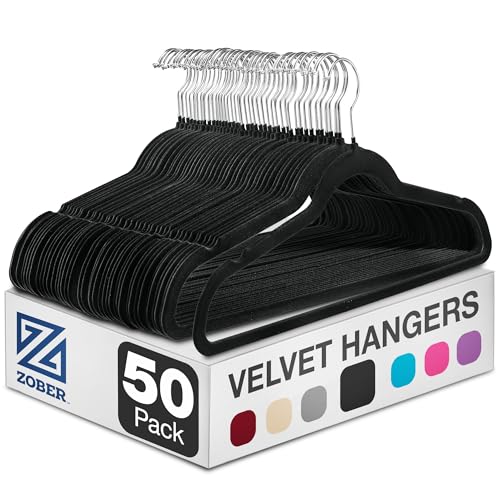

These hangers represent the industry standard for general-purpose textile storage. The slim profile allows for denser storage without causing garments to rub against one another, which can lead to fiber abrasion over time.
For an antique wool cardigan or a delicate silk camisole, the non-slip velvet surface is essential. It prevents the fabric from stretching at the shoulders, a common issue when using slippery plastic or wooden hangers.
The 360-degree swivel hook adds significant convenience when managing a rotating display. It ensures the garment remains oriented correctly without requiring the entire hanger to be repositioned, minimizing physical stress on the antique weave.
SONGMICS Heavy-Duty Hangers: For Heavier Pieces

When dealing with heirloom coats or heavy, dense-knit sweaters, standard hangers often bow or snap under the weight. These heavy-duty options are reinforced to maintain their shape, ensuring the garment’s structure remains intact.
The core of the hanger is significantly more rigid than typical velvet options. This rigidity is vital for heavier textiles where sagging could cause the yarn to lose its tension or fiber alignment.
They offer a wider shoulder span, which helps distribute the weight of the garment more evenly. This is particularly important for antique pieces that may have weakened selvedges or thinning areas prone to structural failure.
The Container Store Lotus Hangers: Archival Grade

Archival storage requires materials that will not off-gas or interact negatively with aged fibers. These hangers are designed with the longevity of the garment in mind, focusing on material neutrality.
The shape of these hangers is specifically engineered to mimic the human shoulder line. This reduces the risk of “pointy” shoulders—the dreaded distortion that occurs when a garment hangs off a frame that doesn’t match its silhouette.
They are an excellent choice for items that need to be stored long-term rather than displayed daily. The material composition is less likely to degrade over years of climate-controlled storage compared to budget alternatives.
Mawa by Reston Lloyd Silhouette: For Delicates
Delicate antique lace or ultra-fine knits require a hanger that is as unobtrusive as possible. The Mawa silhouette is thin, lightweight, and designed to disappear under the garment.
Unlike standard velvet-coated hangers, these often feature a specialized finish that is less likely to snag on fragile, hand-spun fibers. This is critical when working with antique threads that may have become brittle with age.
The shape is flatter than a standard hanger, which is ideal for blouses or light garments that don’t need excessive shaping. They occupy minimal space in a wardrobe, allowing more room for air circulation, which is vital for preventing mildew in organic fibers.
Amazon Basics Velvet Suit Hangers: Top Budget Buy
Budget-friendly options are ideal when the goal is to store an entire collection of vintage textiles without an exorbitant investment. They provide the necessary non-slip surface at a fraction of the cost of boutique brands.
While they lack the heavy-duty reinforcement of more expensive options, they are perfectly sufficient for lighter-weight antique textiles. They provide enough grip to prevent the garment from falling onto the floor, which is the most common cause of damage for stored antiques.
One trade-off is the quality of the velvet coating. Frequent use may lead to minor shedding, so it is advisable to inspect them before hanging precious or high-contrast items to ensure no fibers transfer to the antique fabric.
Proman Products Kascade Hangers: Most Versatile
Versatility in hanging antique garments often means the ability to accommodate different necklines and strap widths. These hangers feature design elements that allow for securing various garment types, from slip dresses to structured jackets.
They are particularly effective for pieces that are layered. The design allows for hanging multiple, complementary antique pieces together, which can be useful when storing historically paired sets like a chemise and a bodice.
The build quality is substantial enough to handle moderate weight without compromising the alignment of the shoulders. For those who curate rotating displays of their collection, this versatility makes them a highly efficient choice.
Choosing Hangers for Your Antique Garments
Selecting the right hanger depends entirely on the fiber composition and the structural integrity of the piece. An antique lace shawl, for instance, should never be stored on a hanger at all, as gravity will cause the lace to tear over time.
Always assess the weight of the garment before choosing a hanger type. Heavy wools require wide, contoured support, while lightweight silk or cotton can often be managed with slim-profile velvet options.
Consider the historical construction of the garment. If the piece features fragile shoulder seams or decorative beadwork, the hanger must provide adequate width to avoid putting undue stress on those specific, vulnerable areas.
The Real Risk of Velvet Hanger Color Transfer
One of the most overlooked risks with velvet hangers is the potential for dye transfer onto antique fabrics. Over time, the pressure between the garment and the velvet, especially in humid conditions, can result in color migration.
This is particularly dangerous for light-colored, porous antique textiles like white linen or raw silk. These fibers act like a sponge and will readily absorb the pigment from a dark-colored hanger.
Always use a neutral color, such as white, cream, or light grey, when hanging antique textiles. Avoid vibrant colors like black or deep red, as these carry the highest risk of staining your collection.
How to Prep Hangers for Antique Textile Safety
To mitigate the risk of damage, consider placing a barrier between the hanger and the garment. A piece of acid-free tissue paper or a small cover made from washed, unbleached cotton can create a safe buffer.
If the hanger velvet feels rough or abrasive, lightly buff it with a clean cloth before use. This removes any loose velvet fibers that might otherwise become embedded in the weave of the antique textile.
Ensure the hook of the hanger is smooth and free of burrs. A rough metal edge can snag a delicate thread during the hanging process, causing a run or a break that is difficult to repair.
Padded vs. Velvet: Which Is Best for Antiques?
Padded hangers are traditionally favored for vintage clothing because they offer a softer, more forgiving contact point. They mimic the shape of the body more closely than a thin velvet hanger, reducing the stress on seams.
Velvet hangers, however, offer superior grip. In the case of slippery silk or rayon garments, a padded hanger might allow the piece to slide off, leading to a disastrous fall, while a velvet hanger holds it firmly in place.
The choice often comes down to the storage environment. If the garments are being displayed for short periods, velvet is often sufficient. For long-term archival storage, a well-made, acid-free padded hanger is generally the gold standard for preservation.
Properly outfitting your collection with the right hangers is an investment in the longevity of your textiles. By matching the structural needs of the garment with the appropriate support, you ensure that antique pieces remain in wearable, beautiful condition for years to come. Regardless of the budget or style chosen, always prioritize the physical safety of the fibers to honor the history held within each weave.