
6 Best Art Desks For Small Bedrooms To Maximize Space
Maximize your creative space with our top 6 picks for the best art desks for small bedrooms. Explore these compact, functional designs and shop your ideal desk.
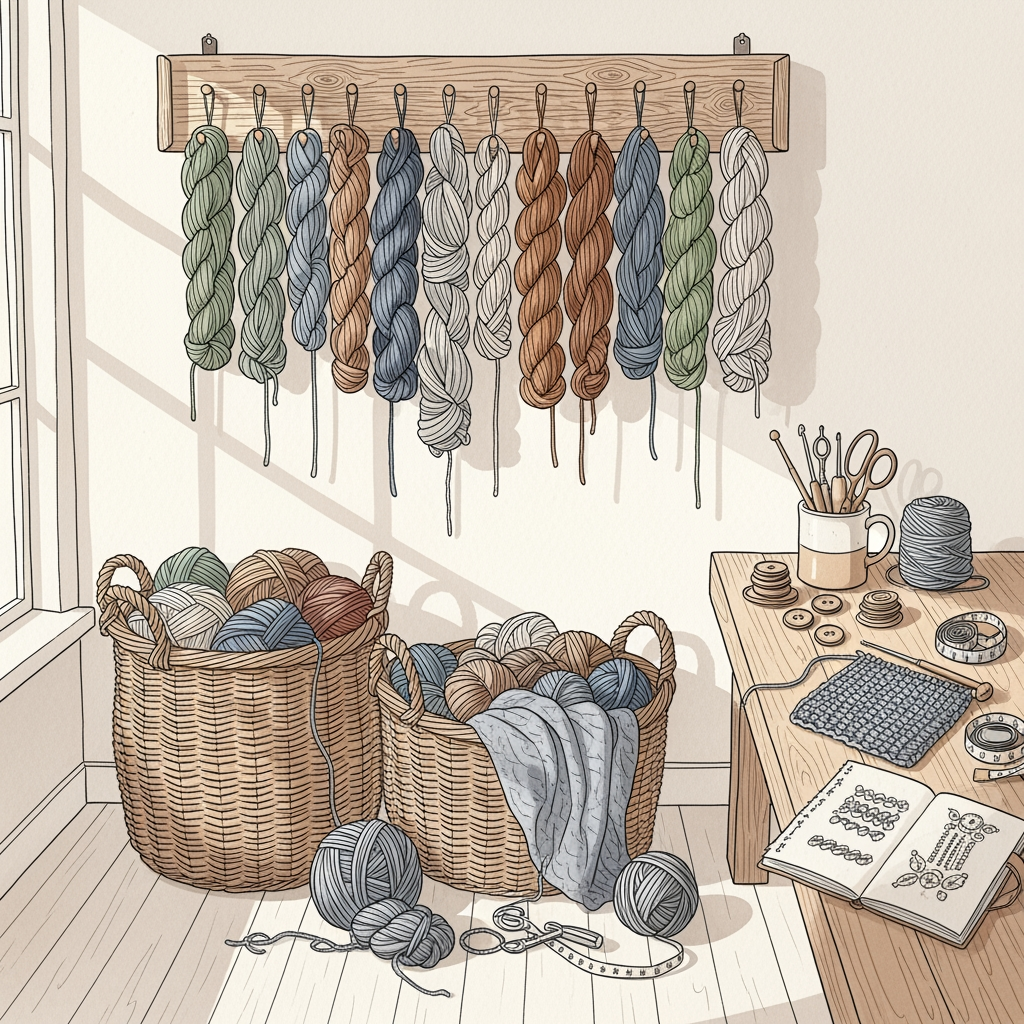
Carving out a dedicated space for fiber arts in a small bedroom requires balancing the physical footprint of furniture with the sprawling nature of yarn stashes and project bags. A cramped surface can lead to poor posture during long sessions of lace knitting or complex colorwork, where visibility and hand movement are critical. Choosing the right desk transforms a corner of a room into a functional sanctuary for winding skeins, measuring gauge swatches, or blocking finished pieces. Prioritize stability and surface area to ensure every stitch is supported with ease.
IKEA MICKE Desk: A Compact, Budget-Friendly Pick


The IKEA MICKE is a staple for those needing a slim profile that doesn’t compromise on surface utility. Its narrow depth is perfect for small bedrooms where walking space is at a premium.
This desk features a built-in cable management system, which is surprisingly useful for keeping corded lamps or yarn winders organized. The side drawers offer just enough room for essential notions, like tapestry needles, stitch markers, and a tape measure.
Be aware that the melamine surface can feel quite firm; consider adding a thick desk mat to protect your wooden needles from rolling or scratching. While it serves well for basic knitting tasks, it lacks the expansive width needed for large-scale garment assembly.
Tangkula Wall-Mounted Desk: Best for Tiny Spaces

When floor space is non-existent, a wall-mounted desk becomes the only viable solution for a dedicated crafting corner. The Tangkula unit folds away completely when not in use, essentially disappearing into the wall.
This design is ideal for knitters who need a flat surface solely for reading patterns or working on a small project bag. Because it lacks legs, it creates a clean, open look that makes a tiny bedroom feel less cluttered.
Note that weight capacity is the primary tradeoff here. Avoid placing heavy bins of bulky wool or heavy ceramic yarn bowls on this desk, as it is designed for lighter work. Always ensure it is anchored securely into wall studs to prevent any risk to your precious knitting supplies.
Sauder Corner Desk: Makes Awkward Corners Work
Corner desks are the secret weapon for maximizing the often-ignored negative space in a bedroom. A Sauder corner desk typically provides a wedge-shaped work area that tucks neatly into tight angles.
For the fiber artist, this shape offers a unique advantage: it allows for a semi-circular layout of tools. You can keep your swift on one side and your project on the other, creating an efficient “command center” for knitting.
However, corner desks often struggle with storage depth. The furthest point in the corner can become a “black hole” for lost stitch markers or small accessories. Use shallow, wide trays to keep items reachable and visible.
Nathan James Theo Ladder Desk: Best Vertical Storage
If the room lacks floor space, look toward the ceiling with a ladder-style desk. The Nathan James Theo unit utilizes vertical lines to draw the eye upward, making the room feel taller while providing essential shelving.
This design is excellent for displaying a curated collection of yarn or keeping pattern books within arm’s reach. The desk surface itself is usually minimal, which forces a clean, focused environment for the project currently on the needles.
Stability is the main concern with ladder-style furniture. Ensure the frame is properly secured to the wall to prevent wobbling, especially if you have a habit of leaning on your desk while working on intricate stranded colorwork.
Coavas Folding Desk: Ideal for Multi-Use Rooms
For those who treat their desk as a temporary station, the Coavas folding desk offers maximum flexibility. It can be set up in minutes for a long knitting weekend and tucked under a bed or in a closet once finished.
Portability is the greatest strength here, though it comes at the expense of permanent storage. This is the choice for the knitter who enjoys variety in their workspace and prefers a clean bedroom aesthetic during non-crafting hours.
Because these desks are lightweight, they may lack the heft required for high-tension knitting projects. Use a non-slip mat under your work if the desk frame feels too light during rigorous blocking or sewing tasks.
Walker Edison Secretary Desk: Stylish & Compact
The secretary desk is a classic piece of furniture that functions as a beautiful cabinet while closed. It hides all remnants of your craft, including messy yarn ends and stray needles, behind a sleek facade.
When the drop-down leaf is open, it creates a surprisingly sturdy workspace. This is perfect for knitters who find the visual clutter of open yarn bins stressful and prefer a bedroom that feels like a place of rest rather than a workshop.
Keep in mind that the hinge mechanism needs to be sturdy. If you plan to lay heavy knitting projects or multiple books on the leaf, ensure the hardware is high quality and can withstand repeated opening and closing.
Choosing an Art Desk: Key Factors for Small Rooms
Selecting the right desk starts with understanding the specific demands of your knitting style. Consider the average size of your projects—are you a sock knitter who needs minimal space, or a sweater knitter who requires room for multiple skeins?
Check the clearance of your chair against the desk height. If your needles catch on the underside of the desk, you will quickly develop bad posture, which can lead to shoulder tension during long sessions of repetitive motion.
- Height: Ensure the surface allows your elbows to rest at a 90-degree angle.
- Surface Texture: Avoid rough or splinter-prone finishes that could snag delicate natural fibers.
- Weight Capacity: Look for sturdiness to support the weight of heavy project bags or blocking boards.
How to Measure Your Bedroom for the Perfect Desk Fit
Measure twice, buy once; this rule applies to furniture just as it does to calculating the yarn needed for a sweater. First, identify the exact footprint you are willing to sacrifice.
Account for the chair’s “push-out” space. You need enough room to pull your chair out comfortably without hitting the bed or the closet door, even if you are just grabbing a cup of tea or switching skeins.
Use masking tape to outline the desk dimensions on the floor before purchasing. This simple trick provides a real-world perspective on how the furniture will impact the flow of movement in your room.
Smart Organization Tips for Your Small Art Desk
In a small desk, vertical storage is non-negotiable. Use wall-mounted pegboards to hang frequently used tools like scissors, crochet hooks, and cable needles at eye level.
Drawer dividers are essential to keep small notions from migrating. Keep your yarn winders and swifts in clear bins under the desk to save surface area for the actual work of knitting.
Maintain a “one project at a time” rule for the desk surface. By keeping only the current project and its immediate necessities on the desk, the small footprint will feel intentional rather than cramped.
Ergonomics and Lighting for Your Compact Art Space
Proper lighting is as important as the desk itself for accurate colorwork and avoiding eye strain. Choose a clip-on LED lamp that offers adjustable color temperature, which mimics daylight for better yarn color visibility.
Invest in an ergonomic chair that supports the lower back, as posture is the foundation of long-term knitting health. If the desk is too high or too low, your neck and wrists will pay the price during long marathons.
Position your light source to avoid shadows on your knitting. For knitters working with dark-colored yarns, a secondary light source that shines directly on the needles can be the difference between a relaxing session and a frustrating one.
Designing a compact, effective art desk is a deliberate process that pays dividends in both the quality of your finished projects and your enjoyment of the process. By carefully balancing the desk’s physical footprint with the specific storage needs of your yarn and tools, you create a space that supports your creativity rather than limiting it. Small rooms need not dictate the scale of your craftsmanship; with the right furniture choices, every square inch can become a productive part of your fiber arts journey.



