7 Best Needle Grippers For Hand Fatigue To Try
Struggling with hand fatigue? Discover our top seven needle grippers designed to improve grip, reduce strain, and make your sewing projects more comfortable.
Knitting for hours on end can turn a relaxing hobby into a source of genuine physical discomfort, especially when working with fine-gauge needles or slippery materials. Hand fatigue often stems from the subconscious "death grip" we apply to keep needles steady during complex stitch patterns. By incorporating needle grips, you can significantly reduce the tension in your fingers and wrists. These small, simple tools are often the missing link between a painful session and a productive afternoon of stitching.
Clover Knitting Needle Point Protectors: Best Overall
Clover point protectors are a staple in every well-stocked knitting bag, primarily because they serve a dual purpose of securing stitches and providing a tactile anchor for your fingers. When you are working on a long project like a blanket, resting your thumb against these soft, rubberized caps prevents the needle from sliding through your grip.
The material is firm enough to stay put but soft enough to cushion the skin during long sessions. Unlike harder plastic caps, these don’t dig into your fingertips if you happen to push against the needle tip while knitting.
Keep in mind that these are best for when you need a little extra leverage or are worried about losing stitches during a break. They aren’t designed to be held while actively knitting every stitch, but they are the gold standard for versatility and comfort when you need a rest.
Susan Bates Soft Ergonomic Crochet-Style Grips


These grips take inspiration from the ergonomic handles found on modern crochet hooks, providing a much wider surface area for your fingers to rest upon. If you struggle with arthritis or simply have larger hands, the increased diameter of these grips is a game-changer.
The wider profile forces your hand into a more open, relaxed position rather than a pinched, claw-like grip. This shift in hand geometry is often enough to alleviate the cramping that occurs during long sessions of stockinette stitch.
However, be aware that these can add significant weight and bulk to your needle setup. If you are working on intricate lace where needle maneuverability is key, the added size might feel cumbersome rather than helpful.
Pony Silicone Needle Grips for Better Control

Pony’s silicone-based grips are excellent for knitters who use slick metal needles that tend to slide out of position. The natural tackiness of the silicone provides a "sticky" surface that keeps your fingers from slipping as you work.
This is particularly useful for beginners who are still developing their muscle memory for consistent tension. When your needles stay firmly in your hand, you don’t have to squeeze as hard to keep them from rotating or falling.
Because they are made of flexible silicone, they are easy to slide on and off as needed. They are a low-cost, high-impact solution for those who find that their biggest source of fatigue is the constant effort required to stabilize their needles.
Tulip Knitting Needle Grips for Hand Comfort
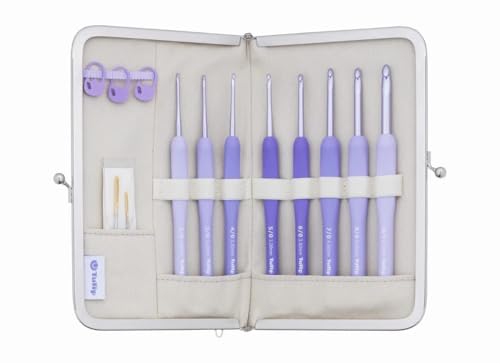
Tulip is known for its high-quality manufacturing, and their needle grips reflect that attention to detail with an emphasis on ergonomic contours. These grips are shaped to fit the natural curve of the human hand, which helps distribute pressure more evenly across the palm and fingers.
If you find yourself experiencing pain at the base of your thumb, these are worth a look. They encourage a more neutral wrist position, which is essential for preventing long-term strain.
The tradeoff here is compatibility; these grips are often designed for specific needle diameters. Always double-check your needle size before purchasing, as a loose grip will only add to your frustration rather than relieving it.
Addi Heart-Shaped Needle Grips for Better Hold

The unique heart shape of these grips isn’t just for aesthetics; it provides distinct edges that your fingers can lock into for a more stable hold. This shape is surprisingly effective for knitters who find round needles difficult to manage due to lack of traction.
The silicone material is soft but dense, offering a nice balance between comfort and structural integrity. They are particularly helpful when working with slippery fibers like silk or bamboo yarns, where the yarn itself provides little resistance.
They are small and unobtrusive, making them a great choice for travel knitting. You can keep them on your needles while they are in your project bag without worrying about them taking up too much room.
Boye Rubberized Needle Grips for Steady Tension
Boye’s rubberized grips offer a classic, no-nonsense approach to reducing hand fatigue through high-friction surfaces. The rubber material is slightly textured, which provides excellent feedback to your fingers, helping you feel exactly where your needle is at all times.
These are ideal for knitters who feel they have to "choke up" on their needles to maintain control. By providing a secure, non-slip surface, they allow you to hold the needles further back, which is a much more ergonomic way to knit.
The main consideration with rubberized grips is that they can attract lint and dust from your yarn. A quick rinse with mild soap and water usually restores their tackiness, keeping them fresh for your next project.
Prym Ergonomic Needle Grips for All Skill Levels
Prym focuses on a modular design that feels intuitive for both beginners and seasoned makers. Their ergonomic approach prioritizes reducing the force required to manipulate the needle, which is the primary driver of hand fatigue.
These grips are particularly effective for those who use a "flicking" or "lever" knitting style. Because they are lightweight, they don’t throw off the balance of your needles, which is crucial when working with lightweight aluminum or carbon fiber needles.

They are a reliable, durable choice for someone looking for a "set it and forget it" solution. They hold their shape well over time, ensuring that your ergonomic support remains consistent throughout the life of your project.
Why Needle Grips Reduce Hand Fatigue and Strain
Hand fatigue in knitting is almost always a result of over-gripping. When we are tired or working with difficult materials, we tend to squeeze our needles harder than necessary, which restricts blood flow and puts strain on the tendons in our forearms.
Needle grips act as a physical buffer that increases the diameter of the needle and provides a tactile surface for our skin. By increasing the surface area, you can use a lighter touch to achieve the same level of control.
It’s important to remember that tools are only one part of the equation. No grip can completely compensate for a poor, hunched posture or a death-grip habit, but they certainly provide the leverage needed to break those bad habits.
How to Properly Apply Grips to Your Needles
Applying grips should be a seamless process, but it requires a bit of finesse to ensure they don’t slide around during your work. Start by ensuring your needles are clean and free of any residual yarn oils or hand lotion, as these can make even the best grips slide off.
If the grip is a tight fit, avoid using tools to force it on, as this can damage the needle finish. A tiny drop of water or a very light dusting of cornstarch can help a snug grip slide into place without a struggle.
Position the grip exactly where your fingers naturally rest during your preferred knitting style. If you aren’t sure where that is, knit a few rows first and observe your hand placement before committing the grip to a permanent spot.
Tips for Maintaining Your Knitting Ergonomics
Ergonomics is about more than just the tools you hold; it’s about the environment you create for your body. Always aim to keep your elbows tucked comfortably near your sides and your shoulders dropped, rather than hunched toward your ears.
Take regular "micro-breaks" every 20 minutes to stretch your hands, wrists, and fingers. Simple movements like spreading your fingers wide and then making a soft fist can help reset the tension in your hands before it builds into pain.
Finally, listen to your body; if you feel sharp pain, stop immediately. No project is worth a repetitive strain injury, and sometimes the best ergonomic choice is simply to put the knitting down and come back to it when your muscles have had a chance to recover.
Investing in needle grips is a proactive step toward ensuring that you can enjoy your craft for many years to come. By choosing the right tool for your specific hand size and knitting style, you can significantly diminish the strain of long hours at the needles. Remember that the best ergonomic setup is a combination of comfortable tools, mindful posture, and regular breaks. Happy knitting, and may your stitches always be even and your hands always be pain-free.