6 Best Garment Hangers for Drying Heavy Sweaters
Drying heavy sweaters requires proper support to prevent stretching. Discover the six best hangers designed to maintain garment shape and ensure safe drying.
We have all spent dozens of hours laboring over a complex cabled sweater, only to watch it lose its shape in a single wash. Drying heavy knitwear is a high-stakes task where gravity is your greatest enemy and improper support leads to permanent distortion. Choosing the right drying surface is just as critical as choosing the correct needle size for your gauge. Here are the best tools to ensure your hand-knits retain their intended silhouette for years to come.
Eucalan Knitwear Drying Rack: The Best Overall Pick


This rack is the gold standard for those who treat their wool with the reverence it deserves. It provides a dedicated, elevated surface that allows for maximum airflow, which is essential for preventing the damp-dog smell that can plague thick, slow-drying fibers.
The mesh design is the standout feature here, as it supports the entire weight of the garment evenly. When you are drying a heavy, water-logged wool sweater, you don’t want any sagging between bars. This rack eliminates that risk entirely.
If you are working with high-twist wools or delicate hand-dyes, this is your safest bet. It is sturdy enough to hold a bulky-weight fisherman’s sweater without buckling under the pressure of the wet fiber.
The Laundress Mesh Sweater Stone: Best for Flat Lay
While not a rack in the traditional sense, this tool is indispensable for the "flat lay" method. It creates a breathable barrier between your sweater and whatever surface you choose, such as a guest bed or a clean floor.
Many knitters mistakenly think they can just throw a sweater on a towel; however, towels retain moisture and can actually trap odors or mildew against your fibers. This mesh provides the lift needed for air to circulate underneath the garment.
It is particularly useful for those living in smaller spaces who don’t have room for a permanent drying rack. You can lay it out, block your garment, and then fold it away once the sweater is dry.
Honey-Can-Do Foldable Rack: Best Space-Saving Option

Space is often the biggest hurdle for the dedicated knitter. This foldable rack is a brilliant solution for those who need to dry multiple items but lack the square footage for a large, permanent setup.
The structure is surprisingly robust for something that collapses so easily. It handles the weight of a heavy wool cardigan well, provided you distribute the weight evenly across the rungs.
Just remember that with any rung-based system, you must be careful about "bar marks." If your sweater is very wet, the weight of the fiber pressing against the metal bars can leave faint indentations in the fabric. Always lay a thin towel over the rungs first.
Whitmor Portable Drying Rack: Best Budget Choice

You don’t need to break the bank to protect your knits. The Whitmor rack offers a simple, functional design that gets the job done without unnecessary bells and whistles.
It is an excellent choice for beginners who are just starting to build their toolkit. It provides the necessary flat surface for blocking, which is the most important step in turning a "homemade" item into a professional-looking garment.
While it lacks the premium materials of more expensive options, it is perfectly adequate for standard wools and cotton blends. Keep an eye on the hinges, as they are the most common point of wear over time.
Songmics Bamboo Drying Rack: Best Sustainable Pick
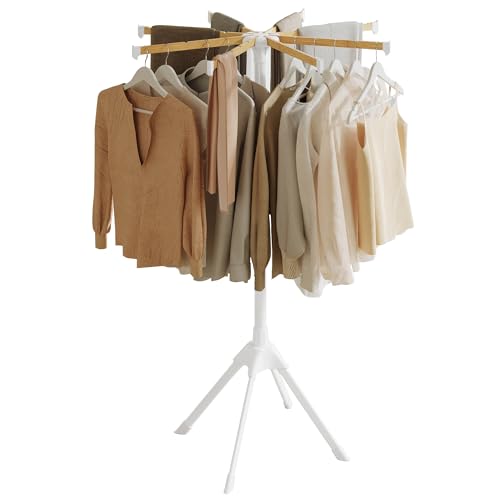
Bamboo is an excellent material for drying racks because it is naturally resistant to moisture and mold. This is a significant advantage when you are dealing with garments that will be damp for 24 to 48 hours.
Beyond the utility, there is a certain aesthetic harmony in using bamboo to dry natural fibers. It feels like a natural extension of the knitting process, moving from the sheep’s back to your needles, and finally to a sustainable drying surface.
It is sturdy and provides a wide surface area. If you frequently knit oversized sweaters or heavy blankets, the extra stability offered by the bamboo frame is a major plus.
Household Essentials Rack: Best for Heavy Knits

When you are dealing with a heavy, cabled sweater knit from high-ply wool, you need a rack that won’t flex. This model is engineered for durability, making it the top choice for the heaviest projects in your wardrobe.
The weight distribution on this rack is superior, which is vital for maintaining the integrity of your stitches. When a heavy sweater dries, the weight of the water can pull on your bind-off edges or necklines; this rack minimizes that stress.
If you are a fan of rustic, heavy-gauge yarns, this is the rack that will hold up to the task. It is an investment piece, but it will save you from the heartbreak of a stretched-out neckline.
Why Hanging Sweaters Causes Permanent Distortion
Hanging a wet sweater on a traditional hanger is the quickest way to ruin your hard work. Water is heavy, and as it migrates downward, it pulls the fibers with it, creating a "hanger bump" at the shoulders and elongating the body.
Even if the hanger is padded, the vertical tension is too much for most knits. The weight of the garment is concentrated on two small points rather than being distributed across the entire surface area.
Over time, this constant downward pull causes the fibers to lose their elasticity. Once the fiber memory is compromised, the sweater will never return to its original shape, regardless of how much you try to re-block it.
Understanding Fiber Memory and Weight Distribution
Fiber memory is the ability of a yarn to return to its original state after being stretched or manipulated. Natural fibers like wool have excellent memory, but that memory is easily overwhelmed when the fiber is saturated with water.
Think of your sweater as a complex network of interconnected loops. When wet, those loops become pliable and susceptible to gravity. If you don’t support the weight, the loops will stretch, and the "memory" will reset to the new, distorted shape.
- Superwash wool: More prone to stretching because the scales have been removed.
- Cotton: Has very little elasticity and will sag quickly if not dried flat.
- Alpaca: Extremely heavy when wet and requires extra support to prevent sagging.
Essential Tips for Blocking Heavy Wool Garments
Blocking is not just about shaping; it is about relaxing the fibers after the stress of knitting. Start by gently squeezing out excess water in a towel—never wring or twist your sweater, as this creates uneven tension.
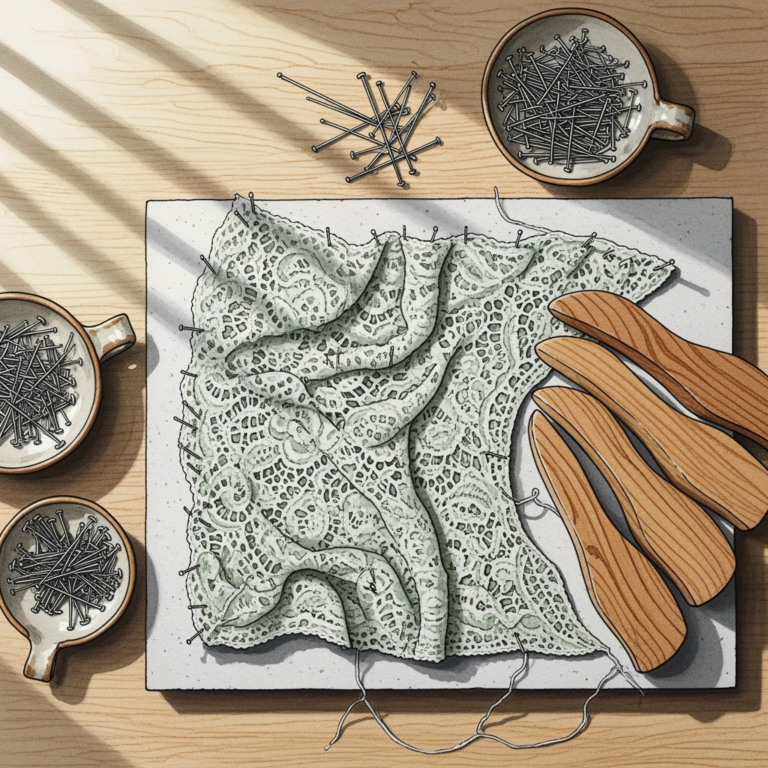
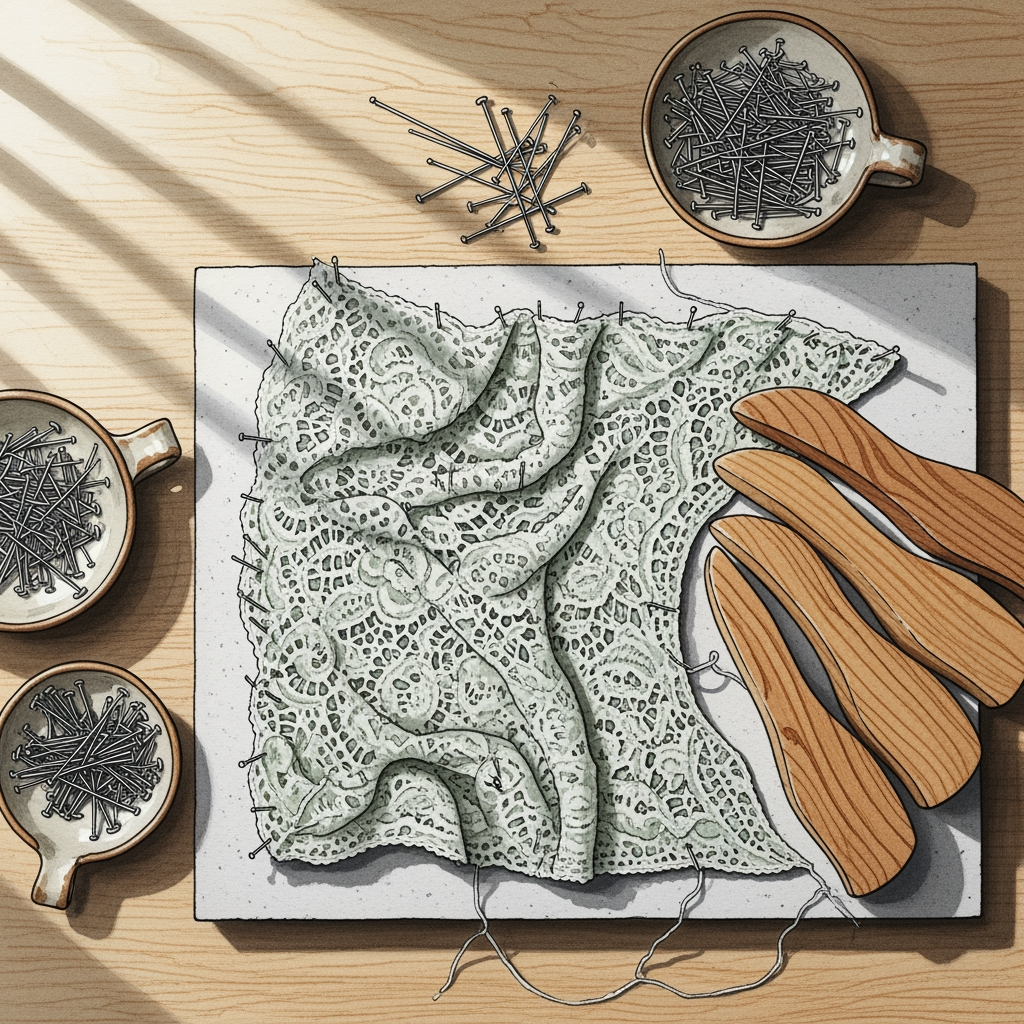
Once the sweater is damp but not dripping, lay it on your chosen rack. Use pins if necessary to secure the edges, but be careful not to pull the fabric too tight. You want to guide the sweater into its original measurements, not stretch it out.
Always check your gauge swatch before blocking the final garment. If you know how your yarn behaves during the swatch-blocking process, you will have a much better idea of how to handle the full-sized project.
How to Properly Shape Knits to Prevent Stretching
The goal of shaping is to restore the dimensions you calculated during your swatch phase. Use a soft measuring tape to check the width of the shoulders, the length of the sleeves, and the depth of the neckline.
If your sweater has intricate cables, ensure they are lying flat and that the tension is even across the panel. Cables tend to pull in, so they often need a little extra attention to ensure they don’t look bunched or distorted.
Finally, allow the garment to dry completely in a well-ventilated area. Do not rush the process with heat, as this can shock the fibers and lead to felting. Patience is the secret ingredient to a garment that looks like it came from a high-end boutique.
Investing in a quality drying rack is just as important as choosing the right needles or the perfect yarn. By moving away from hangers and embracing flat-drying techniques, you protect the structural integrity of your knitwear. Remember that every fiber behaves differently, so take the time to understand your yarn before you finish your next project. With the right tools and a little patience, your hand-knits will remain beautiful and perfectly shaped for years to come.