6 Best Wool Fibers For Wet Felting Durability
Select the right wool for lasting projects. We explore six durable fibers perfect for wet felting, ensuring your creations remain sturdy and wear-resistant.
Choosing the right wool for wet felting is the difference between a project that holds its shape for years and one that sags after a single season. As someone who has spent two decades pulling apart and re-spinning fibers, I know that your choice of fleece dictates the structural integrity of your finished piece. This guide breaks down the best wools to ensure your felted creations are as durable as they are beautiful. Let’s dive into the fibers that will stand the test of time.
Merino Wool Tops: The Best for Soft Durability
Merino is the darling of the fiber world for a reason, offering an incredibly fine micron count that makes it feel like silk against the skin. However, don’t mistake its softness for weakness; when properly agitated, the tiny scales on these fibers lock together with impressive density.
If you are crafting items that need to be worn close to the body, like scarves or hats, Merino is your go-to. It felts quickly because of its high crimp, but it requires careful handling to ensure you don’t over-shrink your piece during the final stages of fulling.
Keep in mind that very fine Merino (under 19 microns) can sometimes pill if subjected to heavy friction. Use it for projects where drape is more important than rigid structural support.
Corriedale Wool: The Ideal All-Purpose Fiber
Corriedale is the "workhorse" of the felting world, sitting right in the middle of the spectrum between fine and coarse. It offers a medium micron count that is sturdy enough for bags and slippers, yet comfortable enough for decorative table runners.
What makes this wool stand out is its consistency. It felts at a predictable, moderate pace, which is a blessing for beginners who are still learning to control their shrink rates.
If you’re tired of your projects losing their shape, switch to Corriedale. It provides the perfect balance of structural rigidity and tactile softness for everyday items.
Jacob Wool: Perfect for Sturdy, Rustic Felting


Jacob wool is a heritage breed that brings a wonderful, rustic character to any project. Its fibers are slightly coarser and have less crimp than Merino, which means it resists the "mushy" look that can sometimes plague over-felted fine wools.
This is my top recommendation for items that need to withstand heavy use, such as heavy-duty totes or structured baskets. Because it is a "primitive" breed, it has a natural resilience that maintains its form even after months of daily wear.
Don’t expect the buttery softness of Merino here. Choose Jacob when you want a crisp, defined structure that feels authentic and looks rugged.
Shetland Wool: Strength for Three-D Structures

Shetland wool is renowned for its strength and elasticity, making it an excellent candidate for 3D felting. When you are sculpting shapes—like animal figures or tea cozies—you need a fiber that holds a curve without collapsing.
The fiber is relatively fine but possesses a unique "spring" that helps the felt retain its volume. It felts firmly, creating a wall-like structure that is surprisingly lightweight but very hard to deform.
If you’re building a complex 3D piece, Shetland will behave better than almost any other breed. It is the gold standard for makers who need their felt to stand up on its own.
Romney Wool: Best for Large-Scale Felt Projects
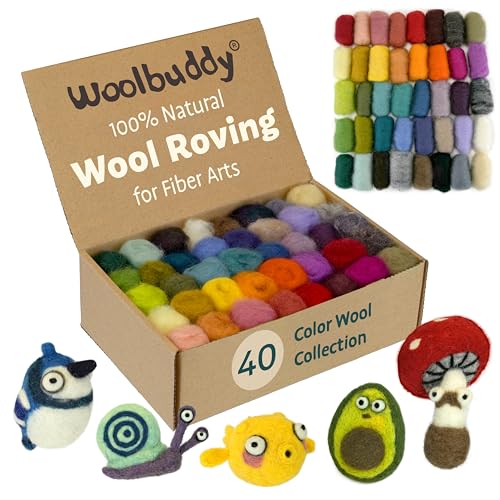
Romney is a long-wool breed that is famous for its durability and ease of handling. If you are planning a large-scale project, like a rug or a heavy wall hanging, Romney is a cost-effective and reliable choice.
The fibers are longer and coarser, which allows them to lock together into a very thick, durable mat that won’t easily tear or stretch. It is less prone to "pilling" than finer wools, meaning your large pieces will stay looking fresh for years.
Because it felts a bit slower, it gives you more time to arrange your layout without the wool locking up prematurely. Use Romney when your project needs to be tough, thick, and long-lasting.
Bluefaced Leicester: Lustrous and Tough Felting
Bluefaced Leicester (BFL) is often prized for its luster, but it is also a surprisingly tough fiber for felting. It has a longer staple length than Merino, which helps the fibers "bridge" across larger areas during the felting process.
This wool creates a very smooth, professional finish that looks less "fuzzy" than other breeds. It’s an excellent choice if you want to incorporate decorative elements or surface design, as the base will be firm enough to support the extra weight.
It is slightly more expensive, but the durability and sheen are worth the investment for heirloom pieces. Choose BFL when you want a high-end, polished look that doesn’t sacrifice structural integrity.
Understanding Micron Count in Felting Wools
Micron count measures the diameter of the individual fiber in micrometers. A lower number (under 20) means a finer, softer fiber, while a higher number (over 30) indicates a coarser, more rigid fiber.
- Fine (18-22 microns): Best for garments and delicate items.
- Medium (23-28 microns): Ideal for accessories like bags and hats.
- Coarse (29+ microns): Best for rugs, heavy baskets, and structural art.
Don’t assume that "finer is always better." Match your micron count to the intended use of the item to ensure it lasts.
How Fiber Crimp Affects Your Felting Speed
Crimp is the natural wave or "zig-zag" pattern in a wool fiber. High-crimp wools, like Merino, act like tiny springs that lock together rapidly when heat and moisture are applied.
Low-crimp wools, like Romney or BFL, have a straighter fiber structure. These take longer to felt because they don’t "tangle" as aggressively as high-crimp fibers.
If you’re a beginner, start with medium-crimp wools to give yourself more control. Understanding crimp allows you to predict how fast your project will shrink during the agitation process.
Essential Tools for Successful Wet Felting
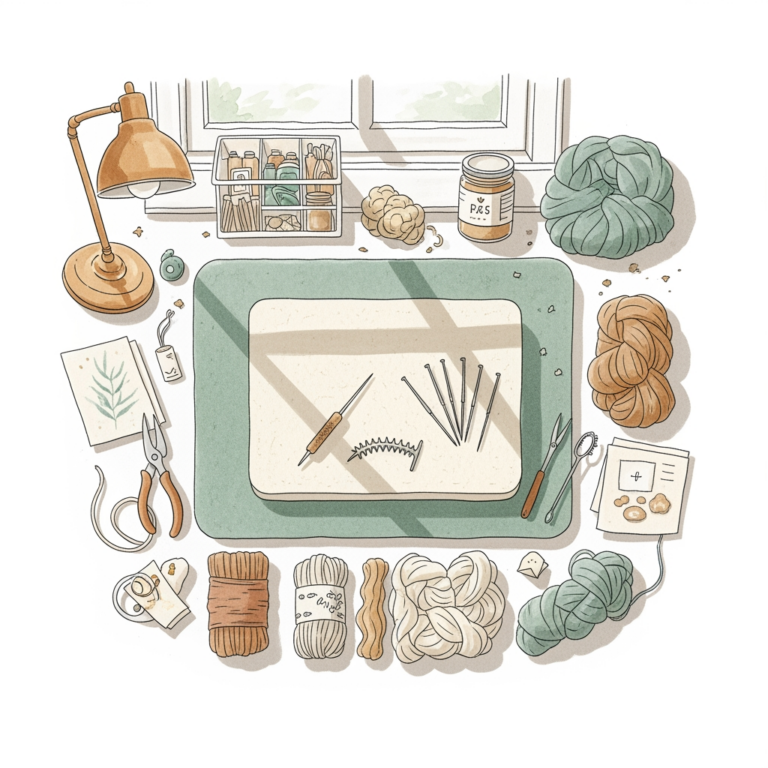
You don’t need a massive workshop to get started, but a few key tools will save you hours of labor. A high-quality bamboo mat is essential for rolling your work, as it provides the perfect amount of friction to encourage the fibers to migrate.

- Olive oil soap: Gentle on your hands and effective at cutting through grease.
- Bubble wrap: A staple for creating a non-stick surface to roll against.
- Spray bottle: Essential for controlling the amount of water used during the initial layout.
Keep your tools clean and dry between sessions to avoid mold or fiber contamination. The right tools make the physical work of felting much more efficient and less taxing on your hands.
Troubleshooting Common Wet Felting Failures
The most common failure in wet felting is "under-felting," where the piece feels soft and pulls apart easily. This usually happens because you didn’t apply enough pressure or heat during the fulling stage.
If your piece is uneven or lumpy, you likely didn’t lay out your fibers in consistent, overlapping layers. Always work in thin, alternating directions to ensure the fibers lock together evenly across the entire surface.
If your project is shrinking too much, you are likely agitating the piece too aggressively too early. Slow down and check your progress frequently to avoid over-shrinking your hard work.
Mastering the art of wet felting is a journey of understanding how different fibers behave under pressure and heat. By selecting the right wool for your specific project, you can move from simple experiments to creating durable, professional-grade felted goods. Remember that every batch of wool is slightly different, so don’t be afraid to make small samples before committing to a large piece. Happy felting, and enjoy the transformative power of working with raw fiber.