7 Best Reed Hooks For Threading Looms To Use
Selecting the right reed hook is vital for efficient weaving. Explore our top 7 picks to improve your loom threading speed, precision, and overall comfort.
Threading a loom is the meditative, albeit meticulous, foundation of every great weaving project. Without a reliable reed hook, this process can quickly turn from a rhythmic task into a frustrating exercise in hand fatigue. Choosing the right tool depends entirely on your reed’s dent size and the specific weight of your warp yarn. These seven picks represent the gold standard for getting your warp through the reed with precision and ease.
Schacht Spindle Company Steel Reed Hook: Best Overall
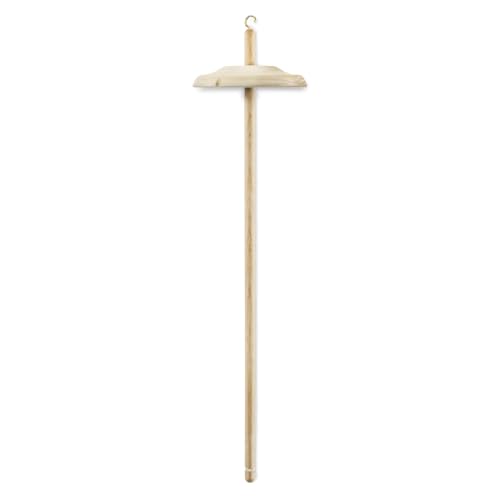

This steel hook is the workhorse of the weaving world, appearing in studios from hobbyist basements to professional production spaces. Its balanced weight and slim profile allow it to navigate even the tightest reed spaces without snagging.
The durability of stainless steel means you won’t have to worry about the tip bending or snapping under the tension of a long warp. It is a "set it and forget it" tool that simply does its job day in and day out.
If you are looking for a reliable, no-nonsense tool that fits almost any standard loom, this is the one. It handles everything from sturdy cottons to delicate wools with equal reliability.
Leclerc Looms Heavy Duty Reed Hook: Top Professional
When you are working with high-tension warps or very fine, high-density reeds, standard hooks can sometimes flex or slip. The Leclerc Heavy Duty hook is built with a thicker gauge of metal, providing the rigidity needed for heavy-duty production weaving.
It feels substantial in the hand, which is a major advantage during long threading sessions. If you have ever felt your hook "give" while pulling a stubborn end through a crowded dent, you will immediately appreciate this extra structural integrity.
This is a professional-grade tool designed for weavers who spend hours at the loom. It is an investment in your comfort and the longevity of your equipment.
Ashford Traditional Reed Hook: Best for Beginners

Beginner weavers often struggle with the dexterity required to catch a thread and pull it through a narrow reed slot. The Ashford hook features a gentle, well-defined hook shape that makes catching the warp thread feel almost intuitive.
Its handle is designed to be easy to grip, even if your hands aren’t yet accustomed to the repetitive motions of threading. It isn’t overly long or cumbersome, which helps maintain better control as you move across the reed.
If you are just starting your journey, don’t overcomplicate your first setup with exotic materials. This hook provides the perfect balance of tactile feedback and ease of use.
Glimakra Ergonomic Reed Hook: Best Comfort Design
Threading a loom with hundreds of ends can take a significant toll on your wrists and fingers. The Glimakra Ergonomic hook features a contoured handle that reduces the "pinch" grip often required by thinner, straight-handled tools.
By allowing your hand to rest in a more natural position, you can thread for longer periods without the cramping that plagues many weavers. It is a thoughtful design that prioritizes the health of your hands over the long term.
For those who suffer from arthritis or simply have long sessions planned, this ergonomic design is a game-changer. It proves that even the smallest tools in our kit benefit from human-centric engineering.
Harrisville Designs Wooden Reed Hook: Best Grip
There is a distinct, warm tactile quality to a wooden-handled reed hook that metal simply cannot replicate. The Harrisville Designs hook offers a natural grip that feels secure even if your palms get slightly sweaty during a long threading session.
Wood is naturally warmer to the touch, providing a pleasant contrast to the cold steel of the reed itself. It is a beautifully crafted tool that feels like an extension of your own hand rather than a piece of industrial hardware.
While wood requires a little more care to keep from drying out or splintering, the grip it provides is unmatched. It’s the ideal choice for the weaver who appreciates natural textures and traditional aesthetics.
Louet Brass Reed Hook: Best for Fine Warp Threads

When working with fine silk, lace-weight wool, or delicate linen, you need a hook that won’t snag the fibers. Brass is a softer metal than steel, and it tends to have a smoother, more polished finish that glides through fine threads without catching.
The tip of the Louet hook is precisely shaped to grab a single, thin strand without fraying it. This is essential when working with high-twist yarns that are prone to splitting or breaking under pressure.
If your project involves luxury fibers, treat them with the respect they deserve by using a tool that won’t compromise their integrity. Brass provides that extra level of gentleness required for high-end materials.
Mirrix Sleying Hook: Best for Detailed Tapestry
Tapestry weaving requires a different kind of precision, often involving very dense warps and specialized equipment. The Mirrix sleying hook is specifically designed to navigate the unique requirements of tapestry looms where space is at a premium.
Its slim, streamlined profile allows it to slide into tight spaces that would be impossible for a standard reed hook to reach. It is highly maneuverable, making it a favorite for weavers who need to make quick adjustments mid-project.
If you find yourself working on detailed wall hangings or intricate pictorial weaves, this hook is an essential addition to your toolkit. It is purpose-built for the complexities of modern tapestry work.
How to Choose the Right Reed Hook for Your Loom
Choosing the right hook is less about brand loyalty and more about matching the tool to your specific reed’s dent size. If your hook is too thick, it will be difficult to push through the reed, leading to frayed warp threads and frustration.
Consider these factors when making your selection:
- Dent size: A high-density reed (e.g., 15 or 20 dents per inch) requires a much thinner hook than a 6-dent reed.
- Yarn weight: Thinner threads require a finer hook tip to prevent splitting.
- Hand comfort: If you have large hands, a thicker handle will prevent cramping.
Always err on the side of a slightly thinner hook if you are unsure. It is much easier to work with a hook that has extra clearance than one that binds in the reed.
Understanding Reed Hook Gauge and Dent Size
The "dent" refers to the space between the metal wires of your reed. A reed with a higher dent count has tighter spaces, which necessitates a hook with a lower profile and a thinner gauge.
Using a hook that is too wide for your dent size will eventually damage the reed wires, causing them to bend or lose their spacing. This can lead to uneven tension and visible streaks in your finished fabric.
Think of it like choosing the right needle size for a specific yarn weight; the tool must fit the environment it is working in. Match your hook to the finest reed you plan to use regularly, and you will rarely go wrong.
Best Practices for Maintaining Your Reed Hooks
Even the best reed hooks can lose their effectiveness if they are not stored or maintained properly. Keep your hooks in a dedicated container to prevent the tips from being blunted or bent by other tools in your studio.
If you use a metal hook, give it a quick wipe with a clean cloth before starting to remove any oxidation or dust. For wooden-handled hooks, a tiny drop of furniture wax or mineral oil once a year will keep the wood from drying out.

- Avoid dropping: Impacts can easily bend the delicate tip of a reed hook.
- Inspect regularly: Check for burrs or rough spots that could snag your yarn.
- Keep dry: Always store in a low-humidity environment to prevent rust on steel tools.
Treating your tools with care ensures they will last for decades of weaving projects. A well-maintained hook is a reliable partner in your creative process.
Finding the perfect reed hook is a small but vital step in mastering your loom. Whether you prioritize ergonomic comfort, delicate handling for fine threads, or the sheer durability of steel, there is a tool here to suit your needs. Remember that the best hook is one that feels invisible in your hand, allowing you to focus entirely on the pattern you are creating. Happy weaving, and may your warp always thread smoothly.