6 Best Electric Winder Foot Pedals for Hands-Free Use
Boost efficiency with our top 6 electric winder foot pedals. Discover ergonomic, hands-free solutions that streamline your winding tasks with precision control.
Winding yarn by hand can be a meditative process, but when you are preparing a dozen skeins for a large-scale project, it quickly becomes a tedious chore. Electric winders change the game, yet using a manual switch often leaves you fumbling for the off button just as a tangle appears. Adding a foot pedal transforms your winding station into a professional-grade setup that keeps your hands free to guide the yarn. This guide explores the best pedal options to help you maintain perfect tension and save your wrists from unnecessary strain.


Stanwood Needlecraft Universal Foot Pedal Upgrade
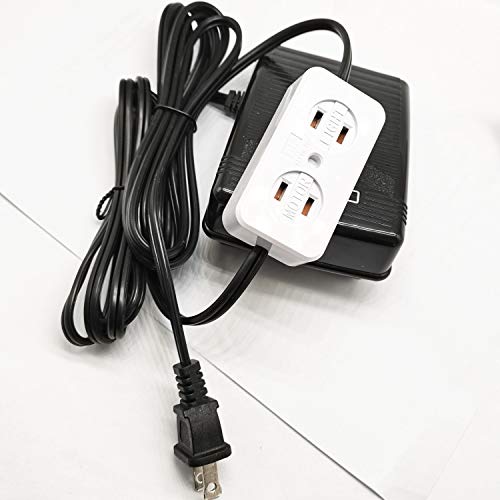
The Stanwood pedal is a staple for hobbyists because it offers a straightforward, plug-and-play experience. It is designed to work with their standard line of ball winders, providing a responsive toggle that feels intuitive under your foot.
When you are dealing with a delicate lace-weight mohair or a high-twist singles yarn, having a pedal that reacts instantly is non-negotiable. This unit allows you to stop the motor the moment you spot a snag, preventing the yarn from snapping or stretching unevenly.
The build is functional rather than luxurious, but it gets the job done reliably. If you are looking for a simple upgrade to your existing Stanwood setup, this is the most logical and cost-effective choice.
Nancy’s Knit Knacks Heavy Duty Electric Winder Pedal
If you are a production knitter or someone who frequently winds large 500-gram cones, you need equipment that can handle extended run times. This heavy-duty pedal from Nancy’s Knit Knacks is built to withstand the rigors of a busy studio.
The primary advantage here is the weight and stability of the pedal base. Unlike cheaper plastic models that slide across hardwood floors, this unit stays exactly where you put it.
It offers a smooth ramp-up in speed, which is vital when starting a fresh cake of yarn. Abrupt starts can cause the yarn to jump off the flyer or tangle around the spindle, but this pedal allows for a gentle, controlled acceleration.
Strauch Fiber Equipment Variable Speed Foot Control
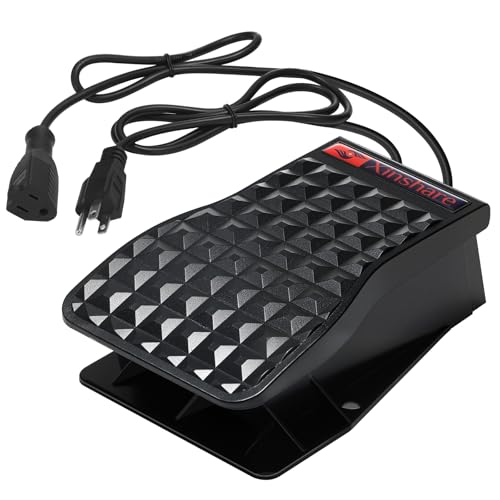
Strauch is a name synonymous with high-end fiber preparation, and their variable speed foot control reflects that pedigree. This is not just an on-off switch; it is a precision instrument for managing your winding speed.
For those working with slippery silk or bamboo blends, speed control is the difference between a perfect center-pull ball and a collapsed mess. You can keep the motor at a slow, steady crawl while you untwist a hank, then accelerate once the flow is consistent.
This level of control is an investment, but it is one that pays off in the quality of your yarn cakes. If you are serious about fiber processing, this is the gold standard for tactile feedback.
Ashford Electric Ball Winder Replacement Foot Switch

Ashford has a long history in spinning and weaving, and their replacement foot switch is designed with the same durability as their classic spinning wheels. It is a compact, reliable unit that integrates seamlessly with their electric winding systems.
The footprint is small, making it ideal for knitters who have limited studio space. Despite its size, the switch mechanism is robust and provides a satisfying "click" that confirms the motor status without you needing to look down.
It is a straightforward replacement part, so don’t expect advanced features like variable speed modulation. However, for a reliable, no-nonsense tool that keeps your hands on the yarn, it is an excellent piece of hardware.
Brother Knitting Machine Motorized Control Interface

While primarily known for their iconic knitting machines, Brother’s motorized interface components are often repurposed by clever knitters for custom winding setups. This is for the "maker" who enjoys building a bespoke fiber station.
Integrating this interface requires a bit of technical know-how, but the reward is a highly customized winding experience. You can often dial in specific torque settings that are difficult to achieve with standard consumer-grade winders.
If you are comfortable with basic electronics, this path offers the most flexibility. It allows you to match your winding speed to the specific elasticity of your yarn, whether you are working with rigid cotton or bouncy superwash wool.
Hansen Crafts Electric Spinner Foot Pedal Adapter

Hansen Crafts is known for their precision-engineered electric spinners, and their pedal adapters bring that same level of refinement to the winding process. These pedals are incredibly responsive, offering a feel that is more akin to a sewing machine than a simple yarn winder.
The sensitivity of this pedal is its standout feature. You can modulate the speed with subtle pressure changes, allowing for a very fluid winding motion that mimics the rhythm of hand-winding.
This is particularly useful when you are dealing with "fussy" yarns that have uneven textures or slubs. By controlling the speed with your foot, you can slow down for the thick sections and speed up for the thin, ensuring the tension remains uniform throughout the cake.
Why Hands-Free Winding Improves Your Yarn Tension
The goal of any winder is to create a cake that is tight enough to stay together but loose enough to avoid stretching the fiber. When your hands are tied up operating a switch, you lose the ability to guide the yarn properly.
- Tension Control: With both hands free, you can use one hand to guide the yarn through a tensioning device and the other to monitor for knots.
- Consistency: A steady, pedal-controlled speed prevents the "jerky" motion that creates uneven tension zones in your cake.
- Safety: You can immediately cut power if a tangle forms, preventing the winder from pulling the yarn taut and damaging the fiber’s integrity.
Maintaining a consistent flow is essential for preventing the yarn from "blooming" or losing its elasticity before it even hits your needles. A foot pedal is the most effective way to ensure your yarn arrives at your project in the best possible condition.
Essential Safety Tips for Electric Winder Operation
Electric winders are powerful tools, and they should be treated with the same respect as a sewing machine or a spinning wheel. Always ensure your workspace is clear of loose ends, especially long tails of yarn that could get caught in the spindle.
- Keep hair and loose clothing away: The spindle can grab fabric or hair in an instant.
- Use a surge protector: Protect your winder’s motor from power fluctuations, especially if you are using an older electrical system.
- Never leave unattended: Even with a foot pedal, a winder should never be left running while you step away from the room.
If you are winding large quantities, take breaks to prevent the motor from overheating. A cool motor is a happy motor, and it will last significantly longer if you give it time to rest between skeins.
Troubleshooting Common Foot Pedal Connection Issues
If your pedal stops responding, the first place to check is the connection port. Over time, the constant movement of the pedal can cause the plug to loosen or the internal wires to fray.
- Check the pins: Ensure the connector pins are not bent or corroded.
- Test the cable: Wiggle the cord near the pedal base; if the winder flickers, you likely have a break in the internal wiring.
- Clean the contacts: A quick blast of compressed air can remove dust and lint that might be interfering with the connection.
Most pedal issues are simple electrical gremlins that can be fixed with a bit of patience. If the unit is completely dead, check the fuse in your winder’s power supply before assuming the pedal itself is broken.
How to Maintain Your Winder for Longevity and Speed
A winder is a mechanical device that requires regular cleaning to maintain its speed and efficiency. Yarn dust and fiber bits can accumulate in the gears and around the spindle, creating friction that slows the motor down.
- Clear the spindle: Remove any stray fibers that have wrapped around the base of the spindle.
- Lubricate sparingly: If the manufacturer recommends it, use a tiny drop of sewing machine oil on the moving parts, but never over-oil.
- Store covered: Keep your winder covered when not in use to prevent dust from settling in the mechanism.
Treating your equipment with care ensures that your winding station remains a reliable part of your knitting workflow for years. Regularly checking the tension and the pedal response will help you catch small issues before they become major repairs.
Investing in a foot pedal for your electric winder is one of the best ways to elevate your fiber prep process. By freeing your hands, you gain the control necessary to manage yarn tension, prevent tangles, and protect your precious fibers from unnecessary stress. Choose the pedal that matches your workload and your specific winder model to ensure a perfect fit. With these tools in your arsenal, you can spend less time struggling with equipment and more time enjoying the rhythm of your craft.