6 Best Circular Needle Connectors For Joining Cords
Discover the top 6 circular needle connectors to extend your cords seamlessly. Learn how these essential tools ensure smooth, snag-free knitting projects.
Every knitter eventually faces the moment when a project outgrows their current cable length, turning a simple sweater into a struggle against bunched-up stitches. Investing in a reliable set of cable connectors is the secret to transforming your existing tool kit without buying entirely new circular needles. These small but mighty components allow you to bridge two cords together, effectively creating a custom length for those massive blanket projects or oversized cardigans. Choosing the right connector is about finding a seamless fit that won’t snag your delicate wool or silk yarns as you work.
ChiaoGoo Stainless Steel Cable Connectors


ChiaoGoo connectors are the gold standard for many, primarily because they are machined with the same precision as their famous red cables. They feature a smooth, cylindrical design that mimics the transition of the needle itself, which is vital when you are working with slippery fibers like alpaca or silk.
These connectors are specifically designed to screw into the threaded ends of your cables, creating a rigid link that doesn’t easily unscrew during heavy knitting. If you are working on a large-scale project like a circular yoke sweater, these provide the stability needed to hold hundreds of stitches without the fear of the cord separating.
The primary trade-off is their weight; they are solid stainless steel, which adds a bit of heft to your cord. However, for most knitters, this is a small price to pay for a connection that remains rock-solid throughout a long session.
KnitPro Mindful Collection Cable Connectors

The Mindful Collection connectors reflect a focus on the tactile experience of knitting, offering a sleek finish that glides through yarn effortlessly. They are designed to be visually unobtrusive, ensuring that your focus remains on the rhythm of your stitches rather than the mechanics of your tools.
These connectors are particularly useful for knitters who prefer working with natural fibers like wool or cotton, as the finish is polished to prevent friction. The thread quality is high, providing a tight seal that prevents the "gap" where stitches often catch and snag.
Keep in mind that these are often specific to the brand’s threading system. Before purchasing, verify whether you are using the swivel or fixed version of their cables, as the connector must match the specific threading mechanism to remain secure.
Lykke Interchangeable Cord Connector Set

Lykke connectors are celebrated for their aesthetic appeal, but their functionality is what keeps them in my personal rotation. They are crafted to be lightweight, which is a significant advantage if you are knitting a heavy project and want to minimize wrist fatigue.
These connectors work exceptionally well with the brand’s signature birch needles. Because the connectors are designed with a smooth taper, they minimize the "step" that can occur when moving stitches from a cable to a needle, which is a common frustration when working with lace-weight yarns.
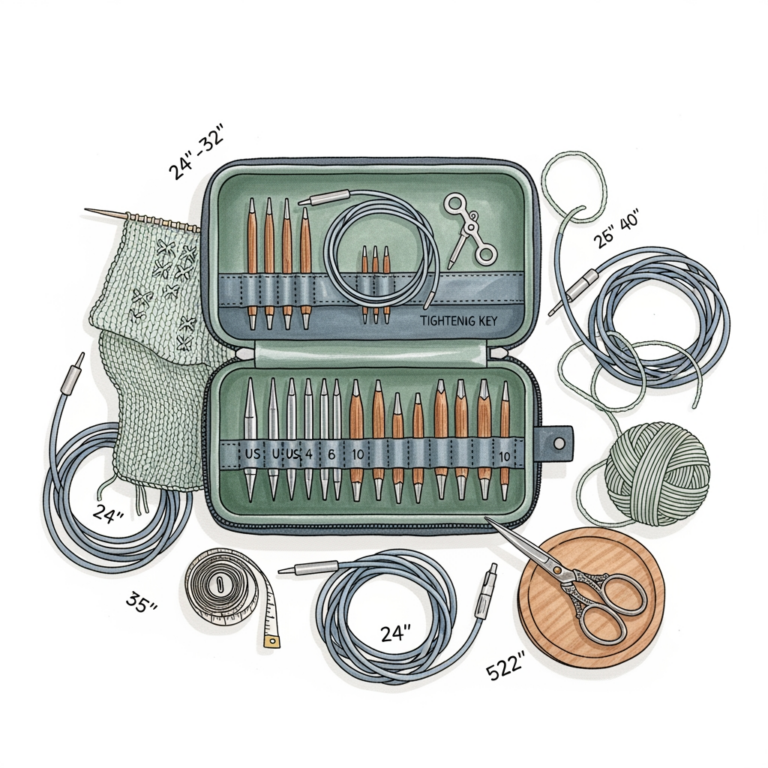
If you find that your stitches are dragging, it is often because of a slight misalignment at the join. The Lykke connectors are forgiving in this regard, provided you use the tightening key to ensure they are fully seated against the cable.
HiyaHiya Interchangeable Needle Connectors

HiyaHiya is famous for their swivel cables, and their connectors are designed to maintain that same level of flexibility. If you are a knitter who constantly rotates their needles or works in the round, the ability to join cables without losing that swivel motion is a game-changer.
These connectors are small, discreet, and incredibly sturdy. They are ideal for knitters who need to extend a cord for a large shawl but don’t want to lose the maneuverability required for complex stitch patterns or cables.
The one thing to watch for is the "size" of the connector; HiyaHiya uses specific threading (Small, Large, and Miniature). Always double-check your needle tip size before ordering, as a connector that doesn’t match your cable diameter will simply refuse to screw in.
Addi Click System Cord Extension Connectors

The Addi Click system is unique because it uses a spring-loaded, click-in mechanism rather than a traditional screw-in thread. This makes their connectors incredibly fast to attach, which is perfect if you are a knitter who likes to switch between projects frequently.
Because there are no threads to wear out, these connectors are exceptionally durable over the long term. They are a fantastic choice for knitters who find that traditional screw-in connectors tend to come loose while they work, as the click-lock provides a very secure "snap" that stays put.
However, be aware that you must use these specifically with the Addi Click range. They are not compatible with standard screw-in needles, so they represent an investment into a specific ecosystem of tools.
Denise Interchangeable Needle Connectors

Denise connectors are built for the workhorse knitter who values utility over fancy finishes. They use a proprietary locking system that is very easy to manipulate, even for knitters with limited hand dexterity or arthritis.
These are made from high-quality resin, making them warm to the touch and very lightweight. They are an excellent option if you are traveling, as they are durable enough to be tossed in a project bag without worrying about them bending or losing their shape.
While they may not have the "premium" feel of stainless steel, their functionality is unmatched for those who need a reliable, no-fuss connection. They are particularly effective when working with synthetic or superwash wool blends that might otherwise be prone to sliding off slicker metal connectors.
How to Choose the Right Connector for Your Needles
Choosing the right connector starts with identifying your needle brand’s specific threading system. Never force a connector; if the threads do not catch easily, you are likely trying to pair incompatible brands, which can permanently damage your cables.
Consider the weight of your project when selecting a material. If you are knitting a heavy, cabled blanket, a stainless steel connector will provide the durability you need to prevent the cord from stretching or snapping under the weight of the fabric.
For delicate lace projects, prioritize a connector that offers a seamless, tapered join. Even a tiny protrusion can cause a snag in fine mohair or silk, which can lead to dropped stitches or broken yarn.
Understanding Threading and Compatibility Issues
The biggest hurdle for most knitters is the "thread mismatch" problem. Even if two brands use a screw-in system, the pitch and depth of the threads are rarely identical, and trying to force them together will strip the delicate metal or plastic.
- Small vs. Large: Most brands categorize cables by needle size range (e.g., 2.0mm–5.0mm vs. 5.5mm–10.0mm).
- Thread Direction: Some brands use reverse threading, which is a safety feature to prevent the needle from unscrewing while you knit.
- Swivel vs. Fixed: Swivel cables require specific connectors that allow the cable to rotate independently of the needle tip.
Always keep your connectors organized by brand in small, labeled bags. Mixing them up in a "junk drawer" of knitting supplies is a recipe for frustration when you are in the middle of a complex pattern row.
Tips for Ensuring a Smooth Join Without Snags
Even the best connector can cause a snag if it isn’t tightened correctly. Always use the tightening key or grippy rubber pad provided by the manufacturer to ensure the connector is flush against the cable.
If you still notice a small bump where the connector meets the cable, try using a tiny piece of clear medical tape or a specialized "join tape." This covers the seam and creates a smooth transition for your stitches to glide over.
Furthermore, check your join every few rows. Even the most secure connectors can loosen slightly due to the constant motion of knitting, especially if you have a tight gauge and put a lot of tension on the cord.
Essential Maintenance for Your Knitting Connectors
Treat your connectors like the precision tools they are. If you notice any burrs or rough spots on a metal connector, use a fine-grit nail buffer to gently smooth them out; a single rough edge can shred a strand of yarn and ruin your hard work.
Periodically clean the threads of your connectors with a soft cloth to remove accumulated dust and fiber bits. Over time, these tiny particles can prevent the connector from seating fully, leading to gaps that snag your yarn.
Store your connectors in a cool, dry place away from direct sunlight, especially if they are made of plastic or resin. Extreme temperature fluctuations can cause materials to expand or contract, which may affect the integrity of the threads over time.
Mastering the use of cable connectors opens up a world of possibilities for your knitting, allowing you to adapt your gear to any project size. By understanding the nuances of threading, material, and maintenance, you can ensure that your joins are as invisible and smooth as your stitches. Treat your connectors with the same care as your favorite needles, and they will serve you reliably for years to come. Happy knitting, and may your joins always remain snag-free.