6 Best Canvas Fabrics For Lining Knitted Bags To Use
Lining knitted bags prevents sagging and wear. Discover the 6 best canvas fabrics to provide structure, durability, and a professional finish to your projects.
Lining a hand-knitted bag is the single best way to transform a floppy, sagging project into a professional-grade accessory. Without a sturdy interior, even the most beautiful cables or colorwork will eventually stretch out of shape under the weight of your daily essentials. Choosing the right canvas lining provides the structural integrity your stitches lack on their own. This guide will help you select the perfect fabric to ensure your hard work stays crisp, secure, and functional for years to come.
1. Robert Kaufman Kona Cotton: Best Light Canvas


Kona Cotton is technically a high-quality quilting cotton, but its tight weave and substantial hand make it an excellent "light canvas" choice. When you’ve spent weeks knitting a delicate lace tote, you don’t want a heavy fabric that overwhelms the drape of your yarn.
This fabric is perfect for smaller accessories like project pouches or light summer purses. It provides enough body to keep your bag from collapsing without adding unnecessary bulk that would make sewing through the layers difficult.
The tradeoff here is durability; it won’t hold up to heavy books or sharp metal needles as well as a true duck canvas. However, if you are looking for a lining that is easy to source and comes in every color imaginable, this is your go-to.
2. Fabric Merchants Heavyweight Duck: Best Durability
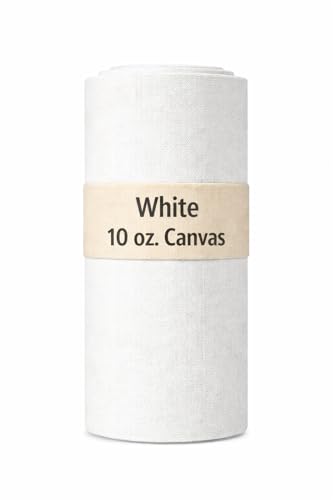
When you are knitting a bag intended for heavy-duty use, like a market tote or a yarn carrier, you need a fabric that can withstand friction. Heavyweight duck canvas is a workhorse that acts as an internal skeleton for your knit fabric.
Because this fabric is so dense, it prevents your yarn from snagging on the contents of your bag. It effectively creates a barrier between your carefully placed stitches and the sharp edges of scissors, crochet hooks, or keys.
Be warned: this fabric is thick. You will need a heavy-duty sewing machine needle—typically a size 100/16 or 110/18—to successfully stitch it to your knit edges. If your machine struggles with thick layers, consider using a lighter-weight duck instead.
3. Telio Washed Cotton Canvas: Best Soft Texture
Many knitters dislike the stiff, board-like feel of traditional canvas, which can make a bag feel unnatural or uncomfortable to carry. Telio’s washed cotton canvas offers a pre-softened finish that feels broken-in from the moment you start sewing.
This is an ideal choice for bags that sit against your body, such as crossbody slings or hobo-style knit bags. The soft hand ensures that the lining moves with the knit fabric rather than fighting against it.
While it is softer, it still offers the structural support you need to prevent excessive stretching. It is the perfect middle ground for a maker who prioritizes comfort alongside the preservation of their knit structure.
4. Art Gallery Fabrics Canvas: Best Pattern Variety

Sometimes, the joy of a handmade bag is the "secret" interior that surprises you when you open it. Art Gallery Fabrics offers a mid-weight canvas that is structurally sound but features vibrant, high-quality prints that elevate the entire project.
The weight of this canvas is perfect for medium-sized bags, such as a shoulder bag or a knitting project bag. It is substantial enough to provide shape but pliable enough to turn right-side out without a struggle.
Don’t let the pretty prints fool you; this is a reliable, high-density cotton canvas. It holds its shape well over time and survives the inevitable wear and tear of a bag that gets used daily.
5. Big Duck Canvas #10 Duck: Best For Heavy Bags

If you are knitting a large, structured carry-all, you need a canvas that can handle the structural load. #10 Duck is a standard in heavy-duty canvas, offering a tight, rugged weave that is virtually indestructible.
This is the fabric to choose if you are concerned about your bag "growing" or losing its shape after a few months of use. It provides a rigid internal frame that forces the knit fabric to maintain its intended dimensions.
The main drawback is the weight; this will make your finished bag significantly heavier. Ensure your bag handles are reinforced or sewn securely to the lining itself to prevent the weight of the bag from tearing your knit stitches.
6. Riley Blake Design Canvas: Best For Small Bags

Riley Blake canvas is a lighter-weight option that is exceptionally easy to work with for beginners. If you are new to sewing linings into knit bags, this fabric is forgiving and easy to fold, press, and stitch.
It is particularly well-suited for small project bags, such as those intended for socks or small accessory kits. It provides enough structure to keep your needles and notions organized without making the bag feel like a heavy, industrial tool.
Because it is lighter, it is less intimidating to sew into a delicate knit. You won’t need specialized industrial equipment, and it won’t distort the tension of your knit fabric when you are pinning the layers together.
7. How to Choose the Right Weight for Your Project
Choosing the right weight is all about balancing the density of your yarn with the intended use of the bag. A light, airy mohair bag needs a very lightweight lining, while a dense, wool-felted bag can handle a heavy duck canvas.
- For delicate lace or fine-gauge knits: Stick to light cottons or light-weight canvas to maintain the drape.
- For heavy, cabled, or worsted-weight knits: Opt for mid-to-heavyweight canvas to prevent sagging.
- For felted bags: Use a heavy duck canvas to ensure the bag keeps its shape.
Always consider the "stretch factor" of your knit fabric before selecting the lining. If your knit is very stretchy, a stiffer lining will act as a stabilizer, effectively stopping that stretch in its tracks.
8. Essential Tools for Attaching Linings to Knits
Sewing a lining into a knit bag is a different beast than sewing two pieces of woven fabric together. You need tools that allow you to manage the inherent instability of the knit stitches.
- Wonder Clips: These are essential because pins will slip through the gaps in your knit fabric.
- Walking Foot: This attachment for your sewing machine is non-negotiable; it feeds the layers evenly so the knit doesn’t stretch while you sew.
- Ballpoint or Stretch Needles: Use these on your machine to prevent snagging or breaking your yarn fibers.
- Tailor’s Ham: Use this to press your seams flat, which helps the lining sit smoothly inside the bag.
Never underestimate the power of a good pressing. Even the best canvas will look sloppy if the seams are bulky or uneven.
9. Tips for Sewing Lining Into Stretchy Knit Bags
The biggest mistake knitters make is sewing the lining to the bag while the knit is stretched out. Always lay your bag flat and let the yarn "relax" into its natural shape before measuring your lining.
When sewing, keep the knit fabric on the bottom and the canvas on top. This allows the walking foot to grip the canvas while the feed dogs move the knit gently, preventing the "wavy" distortion that happens when you pull on the fabric.
If you are worried about the bag stretching over time, sew a piece of non-fusible stay tape or ribbon along the top edge of the lining. This creates a permanent, non-stretchy rim that carries the weight of the bag’s contents.
10. Caring for Your Lined Bag to Prevent Stretching
Even with a lining, a knit bag requires care to prevent the yarn from eventually sagging. Never hang your bag by the handles when it is full; the weight will cause the knit to elongate over time.
Instead, store your bag sitting upright on a shelf. If you need to clean it, spot clean the canvas lining with a damp cloth and mild soap, keeping water away from the knit exterior as much as possible.
If the bag does get stretched, you can often "reset" the shape by lightly steaming the knit fabric and letting it dry in its original, flat shape. The lining will help it hold that shape much longer than an unlined bag ever could.
Lining your knit bags is a transformative skill that bridges the gap between a "craft project" and a professional accessory. By selecting the right weight of canvas and using the proper tools, you ensure that your beautiful stitches remain the star of the show. Don’t be afraid to experiment with different weights until you find the balance that suits your personal knitting style. With these foundations, your bags will hold their shape, protect your belongings, and showcase your craftsmanship for years.