7 Best Yarn Winders For Large Cakes Worth Owning
Upgrade your knitting setup with our top 7 yarn winder picks. Discover durable, high-capacity tools that create perfect, tangle-free cakes for any project.
There is nothing quite as frustrating as a center-pull ball that collapses into a tangled "yarn barf" halfway through a project. For those of us working with large, 400-gram skeins or bulky wools, a standard tabletop winder simply won’t cut it. Investing in a high-capacity winder is the difference between spending your evening knitting or spending it untangling knots. Here are the tools that actually hold up under the weight of a serious stash.
Stanwood Needlecraft Large Metal Yarn Winder


This is the gold standard for many of us who have spent years fighting with flimsy plastic gears. Its heavy-duty construction allows you to wind massive cakes without the machine wobbling or skipping a beat.
The metal gears provide a level of torque that plastic alternatives simply cannot match. When you are winding a heavy, worsted-weight superwash wool, you need that mechanical integrity to ensure the tension remains consistent.
If you frequently work with luxury fibers that are prone to stretching, this winder is your best friend. It handles the weight of large skeins without warping the core, keeping your yarn in pristine condition for when you finally cast on.
KnitPicks Ball Winder: Best Budget Choice
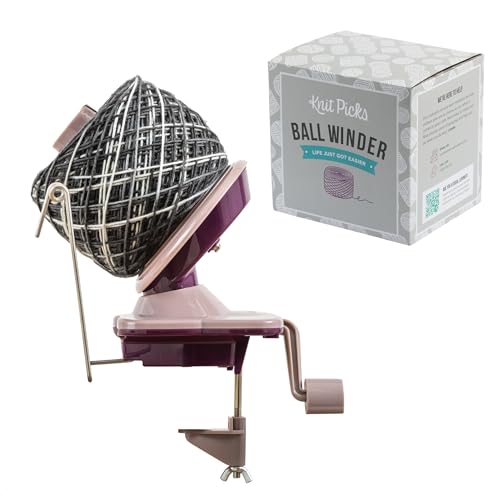
If you are just starting your journey into sweater knitting and aren’t ready to drop a fortune, this is the reliable entry-level option. It is compact, lightweight, and gets the job done for standard 100-gram hanks.
While it lacks the heavy-duty metal components of pricier models, it is surprisingly durable for the price point. It works perfectly for those who wind yarn as they go rather than prepping an entire stash at once.
Just keep in mind that it is not designed for heavy, jumbo-sized skeins. If you try to force a massive 400-gram cake onto it, you will likely find the gears struggling. It is a fantastic tool for the occasional project, but don’t expect it to survive a lifetime of high-volume production.
Lacis Jumbo Yarn Ball Winder for Bulk Skeins

When you are working on a large-scale project like a king-sized blanket, you don’t want to be stopping every twenty minutes to swap out a small ball. This winder is built specifically to accommodate those massive, bulk-sized skeins that usually overwhelm standard tools.
The design is intentionally robust, focusing on a wider base and a larger bobbin capacity. This helps prevent the "cone" from slipping off during the winding process, a common headache with smaller winders.
It is a specialized tool, and you will feel that in the footprint it takes up on your craft table. However, if you are a dedicated maker of sweaters and afghans, the time saved in fewer yarn changes is well worth the desk space.
Nancy’s Knit Knacks Heavy Duty Yarn Winder
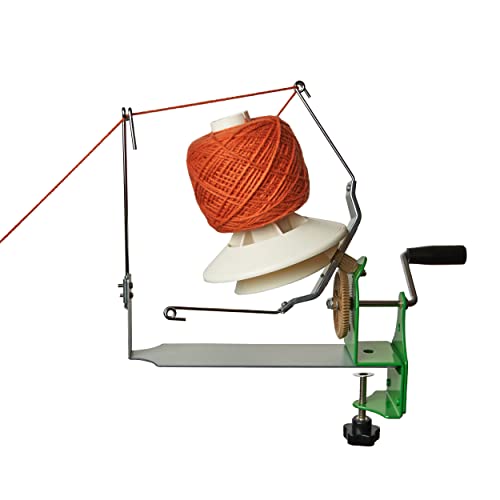
This brand is legendary in the knitting world for a reason: they build tools meant to be passed down. Their heavy-duty winder is essentially the "tank" of the yarn-winding world.
The mechanics are incredibly smooth, allowing for a steady, rhythmic winding process that keeps your yarn from becoming overly compressed. Over-compressing delicate fibers like alpaca or merino can actually strip the yarn of its loft and "bounce," so this smooth operation is vital.
It is an investment piece, certainly, but it is one that will likely outlast your current stash. If you are a high-volume knitter or a professional designer, this is the tool you eventually graduate to.
U-nitt Large Capacity Yarn Ball Winder

The U-nitt stands out for its high-capacity bobbin, which is specifically engineered to handle larger yardage without sacrificing stability. It features a sturdy clamp that keeps the unit firmly anchored to your table, even when you are winding at a fast pace.
I find that the alignment of the yarn guide is particularly good on this model. Proper alignment ensures that the yarn feeds onto the bobbin evenly, which is critical for preventing those annoying tangles that happen when a cake starts to get low.
It is a great middle-ground choice for someone who needs more power than a budget winder offers but isn’t quite ready for a professional-grade industrial model. It strikes a balance between performance and accessibility.
ChiaoGoo Hand-Operated Yarn Winder Review
ChiaoGoo is a name most of us trust implicitly for needles, and their winder carries that same reputation for quality. It is a no-nonsense, hand-operated machine that focuses on durability and ease of use.
The handle is ergonomically designed, which matters more than you think if you are winding ten or fifteen skeins for a colorwork project. Repetitive motion can be hard on the wrists, and this winder makes the process feel much less like a chore.
It is not a "jumbo" winder in the strictest sense, but it handles standard and slightly larger hanks with ease. It is a reliable workhorse for the everyday knitter who wants a tool that won’t fail them mid-wind.
NAKAN Jumbo Yarn Winder for Large Projects
The NAKAN is designed for the knitter who buys yarn in massive, mill-end quantities or large cones. It is built to handle the weight and volume of heavy, multi-ply yarns that would snap a lesser machine’s plastic parts.
The setup is intuitive, and the tension guide is adjustable, which is a feature I cannot emphasize enough. Being able to adjust your tension ensures that your yarn isn’t wound too tightly, preserving the integrity of the twist.
If you are dealing with slippery fibers like silk or bamboo blends, the ability to control tension is a game-changer. This winder gives you the control needed to handle those tricky, high-drape fibers with confidence.
Key Features to Look for in a Yarn Winder
When shopping, don’t be distracted by the color or the brand name; look at the mechanics. A heavy, metal clamp is non-negotiable if you want the winder to stay put on your table.
Look for a wide base and a sturdy bobbin post. If the bobbin wobbles even slightly when empty, it will be a nightmare once you add the weight of 200 grams of wool.
Finally, check the yarn guide. A smooth, well-placed guide prevents friction, which is the enemy of high-quality animal fibers. You want the yarn to glide, not drag.
Metal vs. Plastic Gears: Which Lasts Longer?
In the world of yarn winders, metal gears are almost always superior to plastic. Plastic gears are prone to stripping, especially if you get a knot in your yarn and continue to crank the handle.
Metal gears provide a consistent, smooth engagement that feels different under your hand. You can feel the resistance, which helps you sense if the yarn is catching or if the tension is too high.
While plastic winders are cheaper, they are essentially disposable tools. If you plan on winding hundreds of skeins over the next decade, choose metal and save yourself the headache of replacing broken parts.
Proper Maintenance for Smooth Yarn Winding
Even the best winders need a little love to keep them running smoothly. Keep the gears clean and free of "yarn dust"—those tiny fibers that shed from wool and alpaca.
A tiny drop of sewing machine oil on the gears once a year can keep the movement fluid. Never force the handle if you feel resistance; stop, check for a snag, and clear it before continuing.
Store your winder in a cool, dry place to prevent any rust on the metal components. A well-maintained winder is a tool that will serve you for decades of beautiful projects.
Choosing the right yarn winder is about understanding your own knitting habits and the types of fibers you love most. Whether you opt for a budget-friendly starter or a heavy-duty metal powerhouse, the goal is to make your prep work as seamless as your stitches. Happy winding, and may your cakes always pull from the center without a single knot.