6 Best Blocking Pins For Holding Heavy Patches
Secure your heavy patches with the right tools. We review the 6 best blocking pins that offer superior grip and durability for all your complex craft projects.
Blocking is the final, transformative step that turns a collection of stitches into a professional-grade garment. When working with heavy patches, cables, or dense wool, standard sewing pins simply won’t hold the weight of the damp fiber. Choosing the right blocking pins ensures your hard work maintains its intended shape without sagging or distortion. These six options provide the structural integrity needed to tame even the heaviest knitting projects.
Knitter’s Pride Rainbow T-Pins: Best for Heavy Knits


These pins are a staple in my kit because the vibrant color-coding isn’t just for show. When you are pinning out a heavy, wet cabled sweater, you need to see exactly where your anchor points are at a glance.
The T-shape design is critical here. Unlike straight pins, the bar at the top provides a sturdy handle that prevents the pin from sliding entirely through the knitting when you pull the fabric taut.
If you are blocking a dense, wool-heavy project, these pins offer the perfect balance of rigidity and grip. They don’t bend under the tension of a saturated, heavy garment, which is a common failure point for cheaper alternatives.
Clover Rust-Resistant T-Pins: Best for Durability
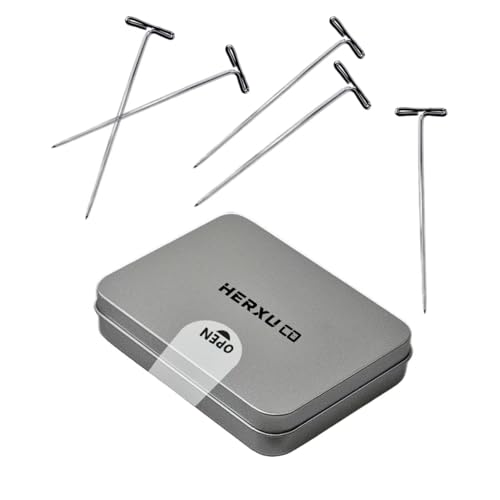
Rust is the silent enemy of a finished project, especially when you are blocking light-colored wools or delicate alpaca blends. Clover’s reputation for quality is well-earned, and these pins are specifically treated to withstand the moisture inherent in the blocking process.
When you block a heavy project, it often needs to stay pinned for 24 to 48 hours to fully set. Cheap, lower-grade steel can begin to oxidize in that time, leaving permanent orange marks on your beautiful handiwork.
These pins are remarkably smooth, allowing them to glide between stitches without snagging delicate fibers. If you invest in high-end yarn, don’t compromise on the tools that touch it during the final reveal.
Beadsmith Extra-Long Steel Pins: Best for Depth
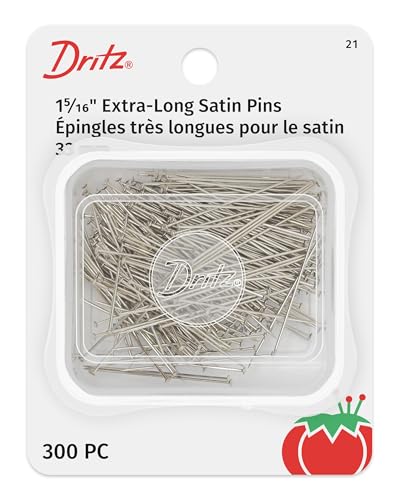
Sometimes, a standard pin just doesn’t have the length to penetrate both your project and the thick foam blocking mats beneath it. When working with heavy, multi-layered patches or folded hems, extra length is your best friend.
These pins provide the deep purchase required to keep heavy fabric from "popping" out of the mat. If you have ever watched a heavy shawl slowly creep back into its original shape while drying, you know the frustration of insufficient anchoring.
The extra-long steel shaft offers superior leverage. You can drive these deep into the mat at an angle, creating a mechanical lock that holds even the most stubborn, heavy wool in place.
KnitIQ Stainless Steel Blocking Pins: Best Value

If you are a prolific knitter who tackles blankets or large garments, you know that buying pins in small quantities gets expensive quickly. KnitIQ offers a bulk approach without sacrificing the stainless steel quality that prevents staining.
These pins are uniform and reliable, which is exactly what you want when you are pinning a large, heavy project. You don’t want a mix of different pin thicknesses affecting how your edges sit.
They come in a practical, reusable storage container, which is a small but vital detail for keeping your workspace tidy. For the knitter who values efficiency and cost-effectiveness, these are the gold standard.
Cocoknits Maker’s Keep Pins: Best for Organization
The genius of this system lies in the magnetic wrist cuff that keeps your pins within reach at all times. When you are on your hands and knees, pinning a large, heavy piece to a floor mat, the last thing you want to do is reach for a box across the room.
These pins are high-quality and sturdy, designed to work seamlessly with the rest of the Cocoknits ecosystem. They feel substantial in the hand, which gives you confidence when you are applying the necessary tension to heavy patches.
Having your pins magnetically attached to your wrist saves significant time and prevents the inevitable "dropped pin" disaster. It is a thoughtful design for the knitter who treats their craft as a professional practice.
Boye Nickel-Plated T-Pins: Best Budget Choice

Boye is a classic name in knitting for a reason, and their T-pins are a reliable, no-nonsense option for those starting out. You get a high volume of pins for a very reasonable price, which is perfect for larger projects that require hundreds of anchor points.
While they may not have the premium rust-resistance of more expensive options, they are perfectly suitable for most projects if you are careful. Just ensure you remove them as soon as the project is dry to avoid any moisture-related issues.
They are widely available and consistently sized. If you are just building your blocking kit, these are an excellent starting point that won’t break the bank.
Why Heavy Patches Require Specialized Blocking Pins
Heavy patches, such as those found in oversized cables or stranded colorwork, hold a massive amount of water. When wet, the weight of the fiber increases significantly, creating a "pull" that standard sewing pins simply cannot resist.
- Weight Distribution: Heavy patches require more anchor points per inch to distribute the tension evenly.
- Structural Integrity: Standard pins are often too thin and will bend under the weight of a water-logged wool garment.
- Preventing Distortion: Without specialized, sturdy pins, your heavy patches will sag at the edges, ruining the crisp lines you worked so hard to achieve.
How to Prevent Rust Marks on Your Finished Projects
The most important rule of blocking is to never leave pins in a project longer than necessary. Even "rust-resistant" pins can eventually fail if left in a damp environment for days on end.
- Dry Completely: Remove pins as soon as the project is dry to the touch.
- Check Your Mats: Ensure your blocking mats are clean and free of residue that might trap moisture against the pins.
- Use Stainless Steel: Always opt for stainless steel or coated pins to minimize the risk of oxidation.
Comparing T-Pins Versus Blocking Combs for Weight
T-pins offer individual control, allowing you to manipulate specific stitches or corners with precision. This is essential for heavy patches where you need to adjust the tension of a specific cable crossing.
Blocking combs, by contrast, are better for long, straight edges like the hem of a heavy sweater. They cover more ground and distribute tension across a wider area, which can be faster but less precise.
For heavy, complex shapes, I recommend a hybrid approach. Use combs for the main structural edges and T-pins to secure the intricate, heavy patches that require individual attention.
Essential Tips for Securing Heavy Knits While Drying
When blocking heavy knits, always start from the center and work your way out. This prevents the weight of the fabric from pulling the center out of alignment.
- Anchor the Corners First: Establish the main dimensions of the piece before pinning the internal patches.
- Angle Your Pins: Drive pins into the mat at a 45-degree angle, pointing away from the center of the project, to maximize holding power.
- Use Enough Pins: When in doubt, add more pins; it is much easier to remove them later than to fix a stretched-out edge after the project dries.
Blocking is the bridge between a handmade item and a professional heirloom. By selecting the right pins, you provide the structural support your heavy patches need to dry perfectly into shape. Remember that tools are an investment in your craft, and choosing the right ones will save you time and frustration for years to come. Happy blocking, and enjoy the satisfaction of seeing your projects reach their full potential.